Agricultural Technicians
Set up or maintain laboratory equipment and collect samples from crops or animals. Prepare specimens or record data to assist scientists in biology or related life science experiments.
How AI Impacts Each Task
26 tasks analyzed
Record data pertaining to experimentation, research, or animal care.
Measure or weigh ingredients used in laboratory testing.
Prepare data summaries, reports, or analyses that include results, charts, or graphs to document research findings and results.
Perform crop production duties, such as tilling, hoeing, pruning, weeding, or harvesting crops.
Set up laboratory or field equipment as required for site testing.
Prepare laboratory samples for analysis, following proper protocols to ensure that they will be stored, prepared, and disposed of efficiently and effectively.
Examine animals or crop specimens to determine the presence of diseases or other problems.
Collect animal or crop samples.
Record environmental data from field samples of soil, air, water, or pests to monitor the effectiveness of integrated pest management (IPM) practices.
Supervise pest or weed control operations, including locating and identifying pests or weeds, selecting chemicals and application methods, or scheduling application.
Supervise or train agricultural technicians or farm laborers.
Conduct studies of nitrogen or alternative fertilizer application methods, quantities, or timing to ensure satisfaction of crop needs and minimization of leaching, runoff, or denitrification.
Conduct insect or plant disease surveys.
Maintain or repair agricultural facilities, equipment, or tools to ensure operational readiness, safety, and cleanliness.
Prepare land for cultivated crops, orchards, or vineyards by plowing, discing, leveling, or contouring.
Operate farm machinery, including tractors, plows, mowers, combines, balers, sprayers, earthmoving equipment, or trucks.
Perform laboratory or field testing, using spectrometers, nitrogen determination apparatus, air samplers, centrifuges, or potential hydrogen (pH) meters to perform tests.
Perform tests on seeds to evaluate seed viability.
Perform general nursery duties, such as propagating standard varieties of plant materials, collecting and germinating seeds, maintaining cuttings of plants, or controlling environmental conditions.
Devise cultural methods or environmental controls for plants for which guidelines are sketchy or nonexistent.
Respond to general inquiries or requests from the public.
Prepare culture media, following standard procedures.
Transplant trees, vegetables, or horticultural plants.
Prepare or present agricultural demonstrations.
Determine the germination rates of seeds planted in specified areas.
Assess comparative soil erosion from various planting or tillage systems, such as conservation tillage with mulch or ridge till systems, no-till systems, or conventional tillage systems with or without moldboard plows.
| Task | AI Capability | Risk | Time % | |
|---|---|---|---|---|
| Record data pertaining to experimentation, research, or animal care. | 92Estimated | 86.0% | 8% | |
| Measure or weigh ingredients used in laboratory testing. | 40Estimated | 49.0% | 6% | |
| Prepare data summaries, reports, or analyses that include results, charts, or graphs to document research findings and results. | 56.25Observed | 71.7% | 6% | |
| Perform crop production duties, such as tilling, hoeing, pruning, weeding, or harvesting crops. | 45Estimated | 51.0% | 5% | |
| Set up laboratory or field equipment as required for site testing. | 35Estimated | 47.0% | 5% | |
| Prepare laboratory samples for analysis, following proper protocols to ensure that they will be stored, prepared, and disposed of efficiently and effectively. | 40Estimated | 49.0% | 5% | |
| Examine animals or crop specimens to determine the presence of diseases or other problems. | 58.6Observed | 50.4% | 5% | |
| Collect animal or crop samples. | 35Estimated | 47.0% | 5% | |
| Record environmental data from field samples of soil, air, water, or pests to monitor the effectiveness of integrated pest management (IPM) practices. | 90Estimated | 85.2% | 4% | |
| Supervise pest or weed control operations, including locating and identifying pests or weeds, selecting chemicals and application methods, or scheduling application. | 30Estimated | 27.0% | 4% | |
| Supervise or train agricultural technicians or farm laborers. | 20Estimated | 23.0% | 4% | |
| Conduct studies of nitrogen or alternative fertilizer application methods, quantities, or timing to ensure satisfaction of crop needs and minimization of leaching, runoff, or denitrification. | 60Estimated | 51.0% | 4% | |
| Conduct insect or plant disease surveys. | 65Estimated | 53.0% | 3% | |
| Maintain or repair agricultural facilities, equipment, or tools to ensure operational readiness, safety, and cleanliness. | 15Estimated | 15.0% | 4% | |
| Prepare land for cultivated crops, orchards, or vineyards by plowing, discing, leveling, or contouring. | 65Estimated | 59.0% | 3% | |
| Operate farm machinery, including tractors, plows, mowers, combines, balers, sprayers, earthmoving equipment, or trucks. | 65Estimated | 59.0% | 4% | |
| Perform laboratory or field testing, using spectrometers, nitrogen determination apparatus, air samplers, centrifuges, or potential hydrogen (pH) meters to perform tests. | 70Estimated | 77.2% | 4% | |
| Perform tests on seeds to evaluate seed viability. | 87Estimated | 84.0% | 3% | |
| Perform general nursery duties, such as propagating standard varieties of plant materials, collecting and germinating seeds, maintaining cuttings of plants, or controlling environmental conditions. | 45Estimated | 51.0% | 3% | |
| Devise cultural methods or environmental controls for plants for which guidelines are sketchy or nonexistent. | 50Estimated | 47.0% | 3% | |
| Respond to general inquiries or requests from the public. | 48.82Observed | 34.5% | 3% | |
| Prepare culture media, following standard procedures. | 50Estimated | 53.0% | 3% | |
| Transplant trees, vegetables, or horticultural plants. | 45Estimated | 51.0% | 2% | |
| Prepare or present agricultural demonstrations. | 65Observed | 41.0% | 2% | |
| Determine the germination rates of seeds planted in specified areas. | 90Estimated | 85.2% | 2% | |
| Assess comparative soil erosion from various planting or tillage systems, such as conservation tillage with mulch or ridge till systems, no-till systems, or conventional tillage systems with or without moldboard plows. | 60Estimated | 51.0% | 2% |
Skill Impact Analysis
AI-Vulnerable Skills (6)
High reliance on Mathematics is a risk area. Consider developing complementary AI-resistant skills to maintain value.
High reliance on Reading Comprehension is a risk area. Consider developing complementary AI-resistant skills to maintain value.
High reliance on Information Ordering is a risk area. Consider developing complementary AI-resistant skills to maintain value.
High reliance on Mathematics is a risk area. Consider developing complementary AI-resistant skills to maintain value.
Memorization is AI-vulnerable but has moderate importance in this role. AI tools may handle this; focus on higher-value skills.
Programming is AI-vulnerable but has moderate importance in this role. AI tools may handle this; focus on higher-value skills.
AI-Resistant Skills (11)
Leadership is AI-resistant — strengthening this skill provides durable career protection.
Adaptability/Flexibility is AI-resistant — strengthening this skill provides durable career protection.
Complex Problem Solving is AI-resistant — strengthening this skill provides durable career protection.
Instructing is AI-resistant — strengthening this skill provides durable career protection.
Coordination is AI-resistant — strengthening this skill provides durable career protection.
Service Orientation is AI-resistant — strengthening this skill provides durable career protection.
Social Perceptiveness is AI-resistant — strengthening this skill provides durable career protection.
Negotiation is AI-resistant — strengthening this skill provides durable career protection.
Recommended Courses
Courses matched to Agricultural Technicians skill gaps, ranked by relevance to your displacement risk profile.
Get personalized recommendations. Answer a few questions about your experience and skills to get course suggestions tailored specifically to you.
Upskill to Reduce Risk
Courses addressing your most AI-vulnerable skills
Machine Learning Specialization
by Stanford / DeepLearning.AI
Estimated Impact
AI-Augmentation Tools
Learn to work alongside AI and boost your productivity
Creative Writing Specialization
by Wesleyan University
Estimated Impact
Strengthen Your Edge
Double down on skills AI can't replicate
Leading People and Teams Specialization
by University of Michigan
Estimated Impact
We may earn a commission when you enroll through our links, at no extra cost to you. This helps fund the Takeover Tracker.
Risk reduction and salary impact are estimates based on skill gap analysis, course relevance, and labor market data. Actual results vary by individual circumstance.
Alternate Career Paths
See all transitionsAgricultural Inspectors
41%Median salary: $50,990
Higher risk than 83% of other occupations
Animal Breeders
32%Median salary: $52,000
Higher risk than 53% of other occupations
Biological Technicians
37%Median salary: $52,000
Higher risk than 73% of other occupations
Chemical Technicians
36%Median salary: $57,790
Higher risk than 69% of other occupations
Food Science Technicians
42%Higher risk than 85% of other occupations
Forest and Conservation Technicians
28%Higher risk than 29% of other occupations
Forest and Conservation Workers
26%Median salary: $43,680
Higher risk than 22% of other occupations
Geophysical Data Technicians
36%Higher risk than 69% of other occupations
Nuclear Monitoring Technicians
36%Median salary: $104,240
Higher risk than 68% of other occupations
Precision Agriculture Technicians
37%Median salary: $60,130
Higher risk than 71% of other occupations
Score History
Risk score over 3 scoring runs
overall change
Education & Training
Percentage of workers at each education and training level
Education Level
Prior Experience Needed
Work experience required to enter this job
Training Provided After Hiring
How long it typically takes to learn on the job
Related News
Recent articles about AI affecting this occupation
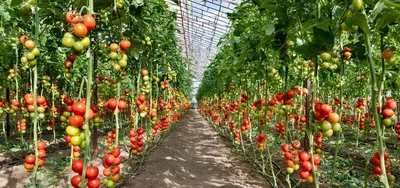
Open-Source Computer Vision Automates Crop Monitoring for Farmers
A new free computer vision tool automates the measurement of leaf area data, a task traditionally requiring manual agricultural labor. This open-source solution allows farmers to manage crop health and yields without hiring additional monitoring staff.
USDA Tests AI and Satellites for Crop Estimates Following Farmer Criticism
The US Department of Agriculture is deploying artificial intelligence and satellite imagery to overhaul how it estimates crop yields. This technological shift threatens to displace traditional agricultural surveyors and manual data collectors.
Last scored March 14, 2026 · Based on BLS employment data and O*NET task analysis