Dermatologists
Diagnose, treat, and help prevent diseases or other conditions of the skin.
How AI Impacts Each Task
19 tasks analyzed
Diagnose and treat pigmented lesions such as common acquired nevi, congenital nevi, dysplastic nevi, Spitz nevi, blue nevi, or melanoma.
Conduct complete skin examinations.
Counsel patients on topics such as the need for annual dermatologic screenings, sun protection, skin cancer awareness, or skin and lymph node self-examinations.
Record patients' health histories.
Diagnose and treat skin conditions such as acne, dandruff, athlete's foot, moles, psoriasis, or skin cancer.
Perform incisional biopsies to diagnose melanoma.
Perform skin surgery to improve appearance, make early diagnoses, or control diseases such as skin cancer.
Prescribe hormonal agents or topical treatments such as contraceptives, spironolactone, antiandrogens, oral corticosteroids, retinoids, benzoyl peroxide, or antibiotics.
Recommend diagnostic tests based on patients' histories and physical examination findings.
Read current literature, talk with colleagues, and participate in professional organizations or conferences to keep abreast of developments in dermatology.
Provide dermatologic consultation to other health professionals.
Instruct interns or residents in diagnosis and treatment of dermatological diseases.
Provide liposuction treatment to patients.
Refer patients to other specialists, as needed.
Provide dermabrasion or laser abrasion to treat atrophic scars, elevated scars, or other skin conditions.
Conduct or order diagnostic tests such as chest radiographs (x-rays), microbiologic tests, or endocrinologic tests.
Conduct clinical or basic research.
Provide therapies such as intralesional steroids, chemical peels, or comodo removal to treat age spots, sun damage, rough skin, discolored skin, or oily skin.
Evaluate patients to determine eligibility for cosmetic procedures such as liposuction, laser resurfacing, or microdermabrasion.
| Task | AI Capability | Risk | Time % | |
|---|---|---|---|---|
| Diagnose and treat pigmented lesions such as common acquired nevi, congenital nevi, dysplastic nevi, Spitz nevi, blue nevi, or melanoma. | 55Estimated | 49.0% | 10% | |
| Conduct complete skin examinations. | 66.3Observed | 53.5% | 10% | |
| Counsel patients on topics such as the need for annual dermatologic screenings, sun protection, skin cancer awareness, or skin and lymph node self-examinations. | 35Estimated | 29.0% | 8% | |
| Record patients' health histories. | 92Estimated | 86.0% | 5% | |
| Diagnose and treat skin conditions such as acne, dandruff, athlete's foot, moles, psoriasis, or skin cancer. | 55Estimated | 49.0% | 10% | |
| Perform incisional biopsies to diagnose melanoma. | 5Estimated | 11.0% | 6% | |
| Perform skin surgery to improve appearance, make early diagnoses, or control diseases such as skin cancer. | 5Estimated | 11.0% | 8% | |
| Prescribe hormonal agents or topical treatments such as contraceptives, spironolactone, antiandrogens, oral corticosteroids, retinoids, benzoyl peroxide, or antibiotics. | 40Estimated | 43.0% | 6% | |
| Recommend diagnostic tests based on patients' histories and physical examination findings. | 57.8Observed | 50.1% | 5% | |
| Read current literature, talk with colleagues, and participate in professional organizations or conferences to keep abreast of developments in dermatology. | 50Estimated | 47.0% | 3% | |
| Provide dermatologic consultation to other health professionals. | 45Estimated | 33.0% | 4% | |
| Instruct interns or residents in diagnosis and treatment of dermatological diseases. | 35Estimated | 29.0% | 3% | |
| Provide liposuction treatment to patients. | 5Estimated | 11.0% | 2% | |
| Refer patients to other specialists, as needed. | 60Estimated | 51.0% | 2% | |
| Provide dermabrasion or laser abrasion to treat atrophic scars, elevated scars, or other skin conditions. | 5Estimated | 11.0% | 4% | |
| Conduct or order diagnostic tests such as chest radiographs (x-rays), microbiologic tests, or endocrinologic tests. | 55Estimated | 49.0% | 4% | |
| Conduct clinical or basic research. | 65Estimated | 53.0% | 3% | |
| Provide therapies such as intralesional steroids, chemical peels, or comodo removal to treat age spots, sun damage, rough skin, discolored skin, or oily skin. | 5Estimated | 11.0% | 5% | |
| Evaluate patients to determine eligibility for cosmetic procedures such as liposuction, laser resurfacing, or microdermabrasion. | 55Estimated | 49.0% | 2% |
Skill Impact Analysis
AI-Vulnerable Skills (6)
High reliance on Reading Comprehension is a risk area. Consider developing complementary AI-resistant skills to maintain value.
High reliance on Information Ordering is a risk area. Consider developing complementary AI-resistant skills to maintain value.
Memorization is AI-vulnerable but has moderate importance in this role. AI tools may handle this; focus on higher-value skills.
Mathematics is AI-vulnerable but has moderate importance in this role. AI tools may handle this; focus on higher-value skills.
Mathematics is AI-vulnerable but has moderate importance in this role. AI tools may handle this; focus on higher-value skills.
Programming is AI-vulnerable but has moderate importance in this role. AI tools may handle this; focus on higher-value skills.
AI-Resistant Skills (11)
Leadership is AI-resistant — strengthening this skill provides durable career protection.
Adaptability/Flexibility is AI-resistant — strengthening this skill provides durable career protection.
Service Orientation is AI-resistant — strengthening this skill provides durable career protection.
Social Perceptiveness is AI-resistant — strengthening this skill provides durable career protection.
Persuasion is AI-resistant — strengthening this skill provides durable career protection.
Coordination is AI-resistant — strengthening this skill provides durable career protection.
Complex Problem Solving is AI-resistant — strengthening this skill provides durable career protection.
Instructing is AI-resistant — strengthening this skill provides durable career protection.
Recommended Courses
Courses matched to Dermatologists skill gaps, ranked by relevance to your displacement risk profile.
Get personalized recommendations. Answer a few questions about your experience and skills to get course suggestions tailored specifically to you.
Upskill to Reduce Risk
Courses addressing your most AI-vulnerable skills
SQL Fundamentals Skill Track
by DataCamp
Estimated Impact
AI-Augmentation Tools
Learn to work alongside AI and boost your productivity
Google UX Design Professional Certificate
by Google
Estimated Impact
Strengthen Your Edge
Double down on skills AI can't replicate
Leading People and Teams Specialization
by University of Michigan
Estimated Impact
We may earn a commission when you enroll through our links, at no extra cost to you. This helps fund the Takeover Tracker.
Risk reduction and salary impact are estimates based on skill gap analysis, course relevance, and labor market data. Actual results vary by individual circumstance.
Score History
Risk score over 2 scoring runs
overall change
Education & Training
Percentage of workers at each education and training level
Education Level
Prior Experience Needed
Work experience required to enter this job
Training Provided After Hiring
How long it typically takes to learn on the job
Related News
Recent articles about AI affecting this occupation
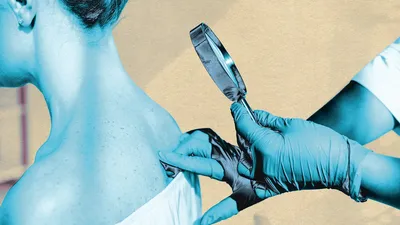
AI skin cancer detection tools show bias, impacting dermatology workflows
AI-powered diagnostic tools for skin cancer are advancing but struggle with diverse skin tones, potentially altering how dermatologists rely on these systems. Medical professionals must remain the ultimate decision-makers to prevent misdiagnoses.
Last scored March 14, 2026 · Based on BLS employment data and O*NET task analysis