Manufacturing Production Technicians
Set up, test, and adjust manufacturing machinery or equipment, using any combination of electrical, electronic, mechanical, hydraulic, pneumatic, or computer technologies.
How AI Impacts Each Task
30 tasks analyzed
Set up and verify the functionality of safety equipment.
Adhere to all applicable regulations, policies, and procedures for health, safety, and environmental compliance.
Calibrate or adjust equipment to ensure quality production, using tools such as calipers, micrometers, height gauges, protractors, or ring gauges.
Monitor and adjust production processes or equipment for quality and productivity.
Inspect finished products for quality and adherence to customer specifications.
Troubleshoot problems with equipment, devices, or products.
Test products or subassemblies for functionality or quality.
Provide advice or training to other technicians.
Set up and operate production equipment in accordance with current good manufacturing practices and standard operating procedures.
Select cleaning materials, tools, or equipment.
Plan and lay out work to meet production and schedule requirements.
Install new manufacturing equipment.
Assist engineers in developing, building, or testing prototypes or new products, processes, or procedures.
Start up and shut down processing equipment.
Prepare and assemble materials.
Keep manufacturing production logs.
Measure and record data associated with operating equipment.
Build product subassemblies or final assemblies.
Prepare production documents, such as standard operating procedures, manufacturing batch records, inventory reports, or productivity reports.
Provide production, progress, or changeover reports to shift supervisors.
Maintain inventory of job materials.
Clean production equipment or work areas.
Conduct environmental safety inspections in accordance with standard protocols to ensure that production activities comply with environmental regulations or standards.
Transfer hazardous or nonhazardous waste materials to collection areas for disposal, recycling, or reuse.
Clean scrap materials for recycling or reuse, such as preparing aluminum scrap for cold-bonding processes or preparing paper for pulping or ink removal processes.
Collect hazardous or nonhazardous waste or scrap materials in correctly labeled barrels or other containers.
Package finished products.
Separate scrap or waste materials for recycling, reuse, or environmentally sound disposal.
Build packaging for finished products.
Ship packages, following carrier specifications.
| Task | AI Capability | Risk | Time % | |
|---|---|---|---|---|
| Set up and verify the functionality of safety equipment. | 35Estimated | 47.0% | 4% | |
| Adhere to all applicable regulations, policies, and procedures for health, safety, and environmental compliance. | 72Estimated | 78.0% | 4% | |
| Calibrate or adjust equipment to ensure quality production, using tools such as calipers, micrometers, height gauges, protractors, or ring gauges. | 35Estimated | 47.0% | 5% | |
| Monitor and adjust production processes or equipment for quality and productivity. | 65Estimated | 59.0% | 6% | |
| Inspect finished products for quality and adherence to customer specifications. | 80Estimated | 65.0% | 5% | |
| Troubleshoot problems with equipment, devices, or products. | 64.42Observed | 52.8% | 6% | |
| Test products or subassemblies for functionality or quality. | 70Estimated | 61.0% | 5% | |
| Provide advice or training to other technicians. | 40Estimated | 31.0% | 3% | |
| Set up and operate production equipment in accordance with current good manufacturing practices and standard operating procedures. | 45Estimated | 51.0% | 6% | |
| Select cleaning materials, tools, or equipment. | 82Estimated | 82.0% | 2% | |
| Plan and lay out work to meet production and schedule requirements. | 92Estimated | 86.0% | 3% | |
| Install new manufacturing equipment. | 10Estimated | 13.0% | 3% | |
| Assist engineers in developing, building, or testing prototypes or new products, processes, or procedures. | 50Estimated | 47.0% | 4% | |
| Start up and shut down processing equipment. | 60Estimated | 57.0% | 3% | |
| Prepare and assemble materials. | 45Estimated | 51.0% | 4% | |
| Keep manufacturing production logs. | 97Estimated | 88.0% | 3% | |
| Measure and record data associated with operating equipment. | 56.67Observed | 71.9% | 3% | |
| Build product subassemblies or final assemblies. | 50Estimated | 53.0% | 5% | |
| Prepare production documents, such as standard operating procedures, manufacturing batch records, inventory reports, or productivity reports. | 97Estimated | 88.0% | 3% | |
| Provide production, progress, or changeover reports to shift supervisors. | 97Estimated | 88.0% | 2% | |
| Maintain inventory of job materials. | 92Estimated | 86.0% | 3% | |
| Clean production equipment or work areas. | 35Estimated | 47.0% | 3% | |
| Conduct environmental safety inspections in accordance with standard protocols to ensure that production activities comply with environmental regulations or standards. | 72Estimated | 78.0% | 3% | |
| Transfer hazardous or nonhazardous waste materials to collection areas for disposal, recycling, or reuse. | 40Estimated | 49.0% | 2% | |
| Clean scrap materials for recycling or reuse, such as preparing aluminum scrap for cold-bonding processes or preparing paper for pulping or ink removal processes. | 40Estimated | 49.0% | 2% | |
| Collect hazardous or nonhazardous waste or scrap materials in correctly labeled barrels or other containers. | 40Estimated | 49.0% | 2% | |
| Package finished products. | 60Estimated | 57.0% | 2% | |
| Separate scrap or waste materials for recycling, reuse, or environmentally sound disposal. | 65Estimated | 59.0% | 2% | |
| Build packaging for finished products. | 50Estimated | 53.0% | 2% | |
| Ship packages, following carrier specifications. | 60Estimated | 57.0% | 2% |
Skill Impact Analysis
AI-Vulnerable Skills (6)
High reliance on Mathematics is a risk area. Consider developing complementary AI-resistant skills to maintain value.
High reliance on Reading Comprehension is a risk area. Consider developing complementary AI-resistant skills to maintain value.
High reliance on Information Ordering is a risk area. Consider developing complementary AI-resistant skills to maintain value.
Memorization is AI-vulnerable but has moderate importance in this role. AI tools may handle this; focus on higher-value skills.
Mathematics is AI-vulnerable but has moderate importance in this role. AI tools may handle this; focus on higher-value skills.
Programming is AI-vulnerable but has moderate importance in this role. AI tools may handle this; focus on higher-value skills.
AI-Resistant Skills (11)
Adaptability/Flexibility is AI-resistant — strengthening this skill provides durable career protection.
Equipment Maintenance is AI-resistant — strengthening this skill provides durable career protection.
Leadership is AI-resistant — strengthening this skill provides durable career protection.
Complex Problem Solving is AI-resistant — strengthening this skill provides durable career protection.
Manual Dexterity is AI-resistant — strengthening this skill provides durable career protection.
Coordination is AI-resistant — strengthening this skill provides durable career protection.
Service Orientation is AI-resistant — strengthening this skill provides durable career protection.
Social Perceptiveness is AI-resistant — strengthening this skill provides durable career protection.
Recommended Courses
Courses matched to Manufacturing Production Technicians skill gaps, ranked by relevance to your displacement risk profile.
Get personalized recommendations. Answer a few questions about your experience and skills to get course suggestions tailored specifically to you.
Upskill to Reduce Risk
Courses addressing your most AI-vulnerable skills
Google Technical Writing
by Google
Estimated Impact
AI-Augmentation Tools
Learn to work alongside AI and boost your productivity
Cybersecurity Fundamentals Path
by Pluralsight
Estimated Impact
Strengthen Your Edge
Double down on skills AI can't replicate
Leading People and Teams Specialization
by University of Michigan
Estimated Impact
We may earn a commission when you enroll through our links, at no extra cost to you. This helps fund the Takeover Tracker.
Risk reduction and salary impact are estimates based on skill gap analysis, course relevance, and labor market data. Actual results vary by individual circumstance.
Alternate Career Paths
See all transitionsAvionics Technicians
29%Median salary: $81,390
Higher risk than 35% of other occupations
Computer Numerically Controlled Machine Tool Programmers, Metal and Plastic
43%Higher risk than 88% of other occupations
Electrical and Electronics Repairers, Commercial and Industrial Equipment
27%Median salary: $71,300
Higher risk than 24% of other occupations
Electrical Engineering Technicians
27%Median salary: $77,180
Higher risk than 24% of other occupations
Electronics Engineering Technicians
36%Median salary: $77,180
Higher risk than 67% of other occupations
Industrial Machinery Mechanics
24%Median salary: $63,760
Higher risk than 16% of other occupations
Mechanical Engineering Technicians
31%Median salary: $68,730
Higher risk than 46% of other occupations
Medical Equipment Repairers
26%Median salary: $62,630
Higher risk than 22% of other occupations
Robotics Technicians
28%Median salary: $70,760
Higher risk than 31% of other occupations
Stationary Engineers and Boiler Operators
42%Median salary: $75,190
Higher risk than 85% of other occupations
Score History
Risk score over 2 scoring runs
overall change
Education & Training
Percentage of workers at each education and training level
Education Level
Prior Experience Needed
Work experience required to enter this job
Training Provided After Hiring
How long it typically takes to learn on the job
Related News
Recent articles about AI affecting this occupation
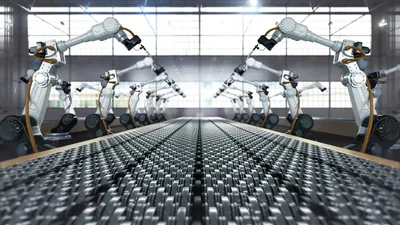
How AI is reshaping the manufacturing workforce and factory floor
Industry leaders detail how automation is shifting factory floor requirements from manual labor to tech-literate oversight. The transition demands rapid upskilling for current manufacturing employees to manage new systems.

Last scored March 14, 2026 · Based on BLS employment data and O*NET task analysis