Radiologists
Examine and diagnose disorders and diseases using x-rays and radioactive materials. May treat patients.
How AI Impacts Each Task
29 tasks analyzed
Obtain patients' histories from electronic records, patient interviews, dictated reports, or by communicating with referring clinicians.
Prepare comprehensive interpretive reports of findings.
Perform or interpret the outcomes of diagnostic imaging procedures including magnetic resonance imaging (MRI), computer tomography (CT), positron emission tomography (PET), nuclear cardiology treadmill studies, mammography, or ultrasound.
Review or transmit images and information using picture archiving or communications systems.
Communicate examination results or diagnostic information to referring physicians, patients, or families.
Evaluate medical information to determine patients' risk factors, such as allergies to contrast agents, or to make decisions regarding the appropriateness of procedures.
Provide counseling to radiologic patients to explain the processes, risks, benefits, or alternative treatments.
Perform interventional procedures such as image-guided biopsy, percutaneous transluminal angioplasty, transhepatic biliary drainage, or nephrostomy catheter placement.
Administer or maintain conscious sedation during and after procedures.
Instruct radiologic staff in desired techniques, positions, or projections.
Confer with medical professionals regarding image-based diagnoses.
Coordinate radiological services with other medical activities.
Document the performance, interpretation, or outcomes of all procedures performed.
Interpret images using computer-aided detection or diagnosis systems.
Establish or enforce standards for protection of patients or personnel.
Develop or monitor procedures to ensure adequate quality control of images.
Recognize or treat complications during and after procedures, including blood pressure problems, pain, oversedation, or bleeding.
Serve as an offsite teleradiologist for facilities that do not have on-site radiologists.
Administer radiopaque substances by injection, orally, or as enemas to render internal structures and organs visible on x-ray films or fluoroscopic screens.
Develop treatment plans for radiology patients.
Participate in continuing education activities to maintain and develop expertise.
Treat malignant internal or external growths by exposure to radiation from radiographs (x-rays), high energy sources, or natural or synthetic radioisotopes.
Participate in quality improvement activities including discussions of areas where risk of error is high.
Conduct physical examinations to inform decisions about appropriate procedures.
Supervise and teach residents or medical students.
Implement protocols in areas such as drugs, resuscitation, emergencies, power failures, or infection control.
Schedule examinations and assign radiologic personnel.
Provide advice on types or quantities of radiology equipment needed to maintain facilities.
Participate in research projects involving radiology.
| Task | AI Capability | Risk | Time % | |
|---|---|---|---|---|
| Obtain patients' histories from electronic records, patient interviews, dictated reports, or by communicating with referring clinicians. | 72Estimated | 78.0% | 4% | |
| Prepare comprehensive interpretive reports of findings. | 58.55Observed | 50.4% | 8% | |
| Perform or interpret the outcomes of diagnostic imaging procedures including magnetic resonance imaging (MRI), computer tomography (CT), positron emission tomography (PET), nuclear cardiology treadmill studies, mammography, or ultrasound. | 54.35Observed | 48.7% | 15% | |
| Review or transmit images and information using picture archiving or communications systems. | 42.4Observed | 66.2% | 4% | |
| Communicate examination results or diagnostic information to referring physicians, patients, or families. | 58.1Observed | 38.2% | 8% | |
| Evaluate medical information to determine patients' risk factors, such as allergies to contrast agents, or to make decisions regarding the appropriateness of procedures. | 50Estimated | 47.0% | 4% | |
| Provide counseling to radiologic patients to explain the processes, risks, benefits, or alternative treatments. | 20Estimated | 23.0% | 2% | |
| Perform interventional procedures such as image-guided biopsy, percutaneous transluminal angioplasty, transhepatic biliary drainage, or nephrostomy catheter placement. | 0Estimated | 9.0% | 5% | |
| Administer or maintain conscious sedation during and after procedures. | 0Estimated | 9.0% | 2% | |
| Instruct radiologic staff in desired techniques, positions, or projections. | 30Estimated | 27.0% | 2% | |
| Confer with medical professionals regarding image-based diagnoses. | 35Estimated | 29.0% | 5% | |
| Coordinate radiological services with other medical activities. | 40Estimated | 31.0% | 2% | |
| Document the performance, interpretation, or outcomes of all procedures performed. | 32.83Observed | 62.3% | 4% | |
| Interpret images using computer-aided detection or diagnosis systems. | 80Estimated | 59.0% | 4% | |
| Establish or enforce standards for protection of patients or personnel. | 62Estimated | 74.0% | 2% | |
| Develop or monitor procedures to ensure adequate quality control of images. | 65Estimated | 53.0% | 2% | |
| Recognize or treat complications during and after procedures, including blood pressure problems, pain, oversedation, or bleeding. | 20Estimated | 35.0% | 2% | |
| Serve as an offsite teleradiologist for facilities that do not have on-site radiologists. | 75Estimated | 57.0% | 2% | |
| Administer radiopaque substances by injection, orally, or as enemas to render internal structures and organs visible on x-ray films or fluoroscopic screens. | 0Estimated | 9.0% | 2% | |
| Develop treatment plans for radiology patients. | 55Estimated | 49.0% | 2% | |
| Participate in continuing education activities to maintain and develop expertise. | 42Estimated | 66.0% | 2% | |
| Treat malignant internal or external growths by exposure to radiation from radiographs (x-rays), high energy sources, or natural or synthetic radioisotopes. | 10Estimated | 13.0% | 2% | |
| Participate in quality improvement activities including discussions of areas where risk of error is high. | 35Estimated | 29.0% | 2% | |
| Conduct physical examinations to inform decisions about appropriate procedures. | 0Estimated | 9.0% | 2% | |
| Supervise and teach residents or medical students. | 20Estimated | 23.0% | 2% | |
| Implement protocols in areas such as drugs, resuscitation, emergencies, power failures, or infection control. | 52Estimated | 70.0% | 2% | |
| Schedule examinations and assign radiologic personnel. | 92Estimated | 86.0% | 2% | |
| Provide advice on types or quantities of radiology equipment needed to maintain facilities. | 60Estimated | 51.0% | 2% | |
| Participate in research projects involving radiology. | 65Estimated | 53.0% | 2% |
Skill Impact Analysis
AI-Vulnerable Skills (6)
High reliance on Reading Comprehension is a risk area. Consider developing complementary AI-resistant skills to maintain value.
High reliance on Information Ordering is a risk area. Consider developing complementary AI-resistant skills to maintain value.
High reliance on Mathematics is a risk area. Consider developing complementary AI-resistant skills to maintain value.
Memorization is AI-vulnerable but has moderate importance in this role. AI tools may handle this; focus on higher-value skills.
Mathematics is AI-vulnerable but has moderate importance in this role. AI tools may handle this; focus on higher-value skills.
Programming is AI-vulnerable but has moderate importance in this role. AI tools may handle this; focus on higher-value skills.
AI-Resistant Skills (11)
Complex Problem Solving is AI-resistant — strengthening this skill provides durable career protection.
Adaptability/Flexibility is AI-resistant — strengthening this skill provides durable career protection.
Leadership is AI-resistant — strengthening this skill provides durable career protection.
Social Perceptiveness is AI-resistant — strengthening this skill provides durable career protection.
Instructing is AI-resistant — strengthening this skill provides durable career protection.
Service Orientation is AI-resistant — strengthening this skill provides durable career protection.
Coordination is AI-resistant — strengthening this skill provides durable career protection.
Persuasion is AI-resistant — strengthening this skill provides durable career protection.
Recommended Courses
Courses matched to Radiologists skill gaps, ranked by relevance to your displacement risk profile.
Get personalized recommendations. Answer a few questions about your experience and skills to get course suggestions tailored specifically to you.
Upskill to Reduce Risk
Courses addressing your most AI-vulnerable skills
SQL Fundamentals Skill Track
by DataCamp
Estimated Impact
AI-Augmentation Tools
Learn to work alongside AI and boost your productivity
Creative Writing Specialization
by Wesleyan University
Estimated Impact
Strengthen Your Edge
Double down on skills AI can't replicate
Leading People and Teams Specialization
by University of Michigan
Estimated Impact
We may earn a commission when you enroll through our links, at no extra cost to you. This helps fund the Takeover Tracker.
Risk reduction and salary impact are estimates based on skill gap analysis, course relevance, and labor market data. Actual results vary by individual circumstance.
Score History
Risk score over 2 scoring runs
overall change
Education & Training
Percentage of workers at each education and training level
Education Level
Prior Experience Needed
Work experience required to enter this job
Training Provided After Hiring
How long it typically takes to learn on the job
Related News
Recent articles about AI affecting this occupation
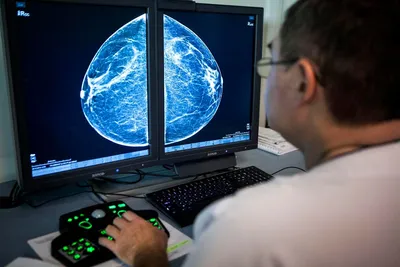
AI integration in oncology shifts medical roles from diagnosis to data
Artificial intelligence is rapidly taking over clinical tasks like mammography screening and clinical trial matching. This technological shift forces healthcare professionals to adapt from manual diagnostics to managing AI pipelines.

Doctors Push Back on Assuming Legal Liability for AI Medical Tools
Medical professionals are raising alarms about being held legally responsible for errors made by diagnostic algorithms. Physicians argue that tech developers must share the liability when AI platforms make clinical mistakes.

Scan.com secures $220M to deploy agentic AI in medical imaging
The medical imaging company will use its new funding to build out agentic AI infrastructure alongside its provider network. This signals a major investment in autonomous AI agents handling healthcare logistics and data.
Last scored March 14, 2026 · Based on BLS employment data and O*NET task analysis