Robotics Engineers
Research, design, develop, or test robotic applications.
How AI Impacts Each Task
24 tasks analyzed
Review or approve designs, calculations, or cost estimates.
Process or interpret signals or sensor data.
Debug robotics programs.
Build, configure, or test robots or robotic applications.
Create back-ups of robot programs or parameters.
Provide technical support for robotic systems.
Design end-of-arm tooling.
Design robotic systems, such as automatic vehicle control, autonomous vehicles, advanced displays, advanced sensing, robotic platforms, computer vision, or telematics systems.
Supervise technologists, technicians, or other engineers.
Design software to control robotic systems for applications, such as military defense or manufacturing.
Conduct research on robotic technology to create new robotic systems or system capabilities.
Investigate mechanical failures or unexpected maintenance problems.
Integrate robotics with peripherals, such as welders, controllers, or other equipment.
Evaluate robotic systems or prototypes.
Install, calibrate, operate, or maintain robots.
Conduct research into the feasibility, design, operation, or performance of robotic mechanisms, components, or systems, such as planetary rovers, multiple mobile robots, reconfigurable robots, or man-machine interactions.
Document robotic application development, maintenance, or changes.
Design automated robotic systems to increase production volume or precision in high-throughput operations, such as automated ribonucleic acid (RNA) analysis or sorting, moving, or stacking production materials.
Design or program robotics systems for environmental clean-up applications to minimize human exposure to toxic or hazardous materials or to improve the quality or speed of clean-up operations.
Write algorithms or programming code for ad hoc robotic applications.
Plan mobile robot paths and teach path plans to robots.
Make system device lists or event timing charts.
Design robotics applications for manufacturers of green products, such as wind turbines or solar panels, to increase production time, eliminate waste, or reduce costs.
Automate assays on laboratory robotics.
| Task | AI Capability | Risk | Time % | |
|---|---|---|---|---|
| Review or approve designs, calculations, or cost estimates. | 50Estimated | 47.0% | 4% | |
| Process or interpret signals or sensor data. | 70Estimated | 55.0% | 5% | |
| Debug robotics programs. | 63.28Observed | 52.3% | 6% | |
| Build, configure, or test robots or robotic applications. | 10Estimated | 13.0% | 6% | |
| Create back-ups of robot programs or parameters. | 97Estimated | 88.0% | 2% | |
| Provide technical support for robotic systems. | 63.78Observed | 40.5% | 4% | |
| Design end-of-arm tooling. | 50Estimated | 47.0% | 4% | |
| Design robotic systems, such as automatic vehicle control, autonomous vehicles, advanced displays, advanced sensing, robotic platforms, computer vision, or telematics systems. | 73.83Observed | 56.5% | 6% | |
| Supervise technologists, technicians, or other engineers. | 10Estimated | 19.0% | 4% | |
| Design software to control robotic systems for applications, such as military defense or manufacturing. | 68.38Observed | 54.4% | 6% | |
| Conduct research on robotic technology to create new robotic systems or system capabilities. | 50Estimated | 47.0% | 4% | |
| Investigate mechanical failures or unexpected maintenance problems. | 40Estimated | 43.0% | 5% | |
| Integrate robotics with peripherals, such as welders, controllers, or other equipment. | 40Estimated | 43.0% | 5% | |
| Evaluate robotic systems or prototypes. | 39.7Observed | 42.9% | 4% | |
| Install, calibrate, operate, or maintain robots. | 55.15Observed | 31.1% | 5% | |
| Conduct research into the feasibility, design, operation, or performance of robotic mechanisms, components, or systems, such as planetary rovers, multiple mobile robots, reconfigurable robots, or man-machine interactions. | 65.48Observed | 53.2% | 4% | |
| Document robotic application development, maintenance, or changes. | 54.02Observed | 70.8% | 3% | |
| Design automated robotic systems to increase production volume or precision in high-throughput operations, such as automated ribonucleic acid (RNA) analysis or sorting, moving, or stacking production materials. | 55Estimated | 49.0% | 4% | |
| Design or program robotics systems for environmental clean-up applications to minimize human exposure to toxic or hazardous materials or to improve the quality or speed of clean-up operations. | 50Estimated | 47.0% | 3% | |
| Write algorithms or programming code for ad hoc robotic applications. | 63.7Observed | 52.5% | 4% | |
| Plan mobile robot paths and teach path plans to robots. | 38.32Observed | 42.3% | 3% | |
| Make system device lists or event timing charts. | 92Estimated | 86.0% | 3% | |
| Design robotics applications for manufacturers of green products, such as wind turbines or solar panels, to increase production time, eliminate waste, or reduce costs. | 55Estimated | 49.0% | 3% | |
| Automate assays on laboratory robotics. | 60Estimated | 51.0% | 2% |
Skill Impact Analysis
AI-Vulnerable Skills (6)
High reliance on Mathematics is a risk area. Consider developing complementary AI-resistant skills to maintain value.
High reliance on Information Ordering is a risk area. Consider developing complementary AI-resistant skills to maintain value.
High reliance on Reading Comprehension is a risk area. Consider developing complementary AI-resistant skills to maintain value.
High reliance on Mathematics is a risk area. Consider developing complementary AI-resistant skills to maintain value.
High reliance on Programming is a risk area. Consider developing complementary AI-resistant skills to maintain value.
Memorization is AI-vulnerable but has moderate importance in this role. AI tools may handle this; focus on higher-value skills.
AI-Resistant Skills (11)
Adaptability/Flexibility is AI-resistant — strengthening this skill provides durable career protection.
Complex Problem Solving is AI-resistant — strengthening this skill provides durable career protection.
Leadership is AI-resistant — strengthening this skill provides durable career protection.
Equipment Maintenance is AI-resistant — strengthening this skill provides durable career protection.
Coordination is AI-resistant — strengthening this skill provides durable career protection.
Manual Dexterity is AI-resistant — strengthening this skill provides durable career protection.
Social Perceptiveness is AI-resistant — strengthening this skill provides durable career protection.
Persuasion is AI-resistant — strengthening this skill provides durable career protection.
Recommended Courses
Courses matched to Robotics Engineers skill gaps, ranked by relevance to your displacement risk profile.
Get personalized recommendations. Answer a few questions about your experience and skills to get course suggestions tailored specifically to you.
Upskill to Reduce Risk
Courses addressing your most AI-vulnerable skills
Machine Learning Specialization
by Stanford / DeepLearning.AI
Estimated Impact
AI-Augmentation Tools
Learn to work alongside AI and boost your productivity
Systems Thinking In Practice
by The Open University
Estimated Impact
Strengthen Your Edge
Double down on skills AI can't replicate
Design Patterns in C# and .NET
by Pluralsight
Estimated Impact
We may earn a commission when you enroll through our links, at no extra cost to you. This helps fund the Takeover Tracker.
Risk reduction and salary impact are estimates based on skill gap analysis, course relevance, and labor market data. Actual results vary by individual circumstance.
Alternate Career Paths
See all transitionsElectronics Engineering Technologists
29%Median salary: $77,390
Higher risk than 32% of other occupations
Electronics Engineers, Except Computer
33%Median salary: $127,590
Higher risk than 58% of other occupations
Industrial Engineers
36%Median salary: $101,140
Higher risk than 68% of other occupations
Logistics Engineers
31%Median salary: $80,880
Higher risk than 47% of other occupations
Manufacturing Engineering Technologists
35%Median salary: $77,390
Higher risk than 65% of other occupations
Manufacturing Engineers
33%Median salary: $117,750
Higher risk than 53% of other occupations
Mechanical Engineers
30%Median salary: $102,320
Higher risk than 41% of other occupations
Nuclear Engineers
31%Median salary: $127,520
Higher risk than 46% of other occupations
Photonics Engineers
33%Median salary: $117,750
Higher risk than 54% of other occupations
Robotics Technicians
28%Median salary: $70,760
Higher risk than 31% of other occupations
Score History
Risk score over 2 scoring runs
overall change
Education & Training
Percentage of workers at each education and training level
Education Level
Prior Experience Needed
Work experience required to enter this job
Training Provided After Hiring
How long it typically takes to learn on the job
Related News
Recent articles about AI affecting this occupation
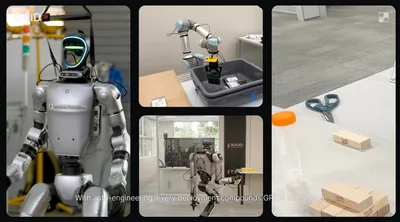
Nvidia-Backed Robot Platform Says AI Wrote 80% Of Its Code, Cuts Robot Training Time 99%
General Robotics used agentic AI to generate the vast majority of its software, slashing development cycles to a fraction of their previous length. This massive efficiency leap threatens traditional robotics engineering and programming headcounts.
ByteDance's New AI Model Targets Robotics and Autonomous Systems
The TikTok parent company is developing spatial video generation technology designed specifically for physical automation. This signals a major push by tech giants to bridge the gap between generative AI and real-world robotics.
Last scored March 14, 2026 · Based on BLS employment data and O*NET task analysis