Clinical Research Coordinators
Plan, direct, or coordinate clinical research projects. Direct the activities of workers engaged in clinical research projects to ensure compliance with protocols and overall clinical objectives. May evaluate and analyze clinical data.
How AI Impacts Each Task
33 tasks analyzed
Maintain required records of study activity including case report forms, drug dispensation records, or regulatory forms.
Oversee subject enrollment to ensure that informed consent is properly obtained and documented.
Schedule subjects for appointments, procedures, or inpatient stays as required by study protocols.
Monitor study activities to ensure compliance with protocols and with all relevant local, federal, and state regulatory and institutional polices.
Perform specific protocol procedures such as interviewing subjects, taking vital signs, and performing electrocardiograms.
Dispense medical devices or drugs, and calculate dosages and provide instructions as necessary.
Record adverse event and side effect data and confer with investigators regarding the reporting of events to oversight agencies.
Assess eligibility of potential subjects through methods such as screening interviews, reviews of medical records, or discussions with physicians and nurses.
Prepare for or participate in quality assurance audits conducted by study sponsors, federal agencies, or specially designated review groups.
Identify protocol problems, inform investigators of problems, or assist in problem resolution efforts, such as protocol revisions.
Prepare study-related documentation, such as protocol worksheets, procedural manuals, adverse event reports, institutional review board documents, or progress reports.
Track enrollment status of subjects and document dropout information such as dropout causes and subject contact efforts.
Maintain contact with sponsors to schedule and coordinate site visits or to answer questions about issues such as incomplete data.
Inform patients or caregivers about study aspects and outcomes to be expected.
Review proposed study protocols to evaluate factors such as sample collection processes, data management plans, or potential subject risks.
Direct the requisition, collection, labeling, storage, or shipment of specimens.
Code, evaluate, or interpret collected study data.
Register protocol patients with appropriate statistical centers as required.
Participate in preparation and management of research budgets and monetary disbursements.
Interpret protocols and advise treating physicians on appropriate dosage modifications or treatment calculations based on patient characteristics.
Arrange for research study sites and determine staff or equipment availability.
Participate in the development of study protocols including guidelines for administration or data collection procedures.
Instruct research staff in scientific and procedural aspects of studies including standards of care, informed consent procedures, or documentation procedures.
Communicate with laboratories or investigators regarding laboratory findings.
Contact outside health care providers and communicate with subjects to obtain follow-up information.
Review scientific literature, participate in continuing education activities, or attend conferences and seminars to maintain current knowledge of clinical studies affairs and issues.
Contact industry representatives to ensure equipment and software specifications necessary for successful study completion.
Order drugs or devices necessary for study completion.
Confer with health care professionals to determine the best recruitment practices for studies.
Solicit industry-sponsored trials through contacts and professional organizations.
Collaborate with investigators to prepare presentations or reports of clinical study procedures, results, and conclusions.
Organize space for study equipment and supplies.
Develop advertising and other informational materials to be used in subject recruitment.
| Task | AI Capability | Risk | Time % | |
|---|---|---|---|---|
| Maintain required records of study activity including case report forms, drug dispensation records, or regulatory forms. | 92Estimated | 86.0% | 4% | |
| Oversee subject enrollment to ensure that informed consent is properly obtained and documented. | 77Estimated | 80.0% | 2% | |
| Schedule subjects for appointments, procedures, or inpatient stays as required by study protocols. | 90Estimated | 85.2% | 2% | |
| Monitor study activities to ensure compliance with protocols and with all relevant local, federal, and state regulatory and institutional polices. | 52.18Observed | 47.9% | 3% | |
| Perform specific protocol procedures such as interviewing subjects, taking vital signs, and performing electrocardiograms. | 5Estimated | 11.0% | 3% | |
| Dispense medical devices or drugs, and calculate dosages and provide instructions as necessary. | 62Estimated | 74.0% | 2% | |
| Record adverse event and side effect data and confer with investigators regarding the reporting of events to oversight agencies. | 50Estimated | 47.0% | 2% | |
| Assess eligibility of potential subjects through methods such as screening interviews, reviews of medical records, or discussions with physicians and nurses. | 60Estimated | 51.0% | 3% | |
| Prepare for or participate in quality assurance audits conducted by study sponsors, federal agencies, or specially designated review groups. | 55Estimated | 49.0% | 2% | |
| Identify protocol problems, inform investigators of problems, or assist in problem resolution efforts, such as protocol revisions. | 50Estimated | 47.0% | 2% | |
| Prepare study-related documentation, such as protocol worksheets, procedural manuals, adverse event reports, institutional review board documents, or progress reports. | 57.38Observed | 72.2% | 3% | |
| Track enrollment status of subjects and document dropout information such as dropout causes and subject contact efforts. | 90Estimated | 85.2% | 2% | |
| Maintain contact with sponsors to schedule and coordinate site visits or to answer questions about issues such as incomplete data. | 35Estimated | 29.0% | 2% | |
| Inform patients or caregivers about study aspects and outcomes to be expected. | 57.95Observed | 38.2% | 2% | |
| Review proposed study protocols to evaluate factors such as sample collection processes, data management plans, or potential subject risks. | 51.7Observed | 47.7% | 2% | |
| Direct the requisition, collection, labeling, storage, or shipment of specimens. | 77Estimated | 80.0% | 2% | |
| Code, evaluate, or interpret collected study data. | 37.42Observed | 42.0% | 2% | |
| Register protocol patients with appropriate statistical centers as required. | 95Estimated | 87.2% | 1% | |
| Participate in preparation and management of research budgets and monetary disbursements. | 87Estimated | 84.0% | 1% | |
| Interpret protocols and advise treating physicians on appropriate dosage modifications or treatment calculations based on patient characteristics. | 48.32Observed | 46.3% | 2% | |
| Arrange for research study sites and determine staff or equipment availability. | 87Estimated | 84.0% | 1% | |
| Participate in the development of study protocols including guidelines for administration or data collection procedures. | 63.58Observed | 52.4% | 2% | |
| Instruct research staff in scientific and procedural aspects of studies including standards of care, informed consent procedures, or documentation procedures. | 30Estimated | 27.0% | 2% | |
| Communicate with laboratories or investigators regarding laboratory findings. | 40Estimated | 31.0% | 1% | |
| Contact outside health care providers and communicate with subjects to obtain follow-up information. | 40Estimated | 31.0% | 2% | |
| Review scientific literature, participate in continuing education activities, or attend conferences and seminars to maintain current knowledge of clinical studies affairs and issues. | 42.15Observed | 43.9% | 1% | |
| Contact industry representatives to ensure equipment and software specifications necessary for successful study completion. | 35Estimated | 29.0% | 1% | |
| Order drugs or devices necessary for study completion. | 92Estimated | 86.0% | 1% | |
| Confer with health care professionals to determine the best recruitment practices for studies. | 25Estimated | 25.0% | 1% | |
| Solicit industry-sponsored trials through contacts and professional organizations. | 20Estimated | 23.0% | 1% | |
| Collaborate with investigators to prepare presentations or reports of clinical study procedures, results, and conclusions. | 58.13Observed | 50.3% | 28% | |
| Organize space for study equipment and supplies. | 35Estimated | 47.0% | 8% | |
| Develop advertising and other informational materials to be used in subject recruitment. | 63.22Observed | 74.5% | 15% |
Skill Impact Analysis
AI-Vulnerable Skills (6)
High reliance on Reading Comprehension is a risk area. Consider developing complementary AI-resistant skills to maintain value.
High reliance on Information Ordering is a risk area. Consider developing complementary AI-resistant skills to maintain value.
Mathematics is AI-vulnerable but has moderate importance in this role. AI tools may handle this; focus on higher-value skills.
Mathematics is AI-vulnerable but has moderate importance in this role. AI tools may handle this; focus on higher-value skills.
Memorization is AI-vulnerable but has moderate importance in this role. AI tools may handle this; focus on higher-value skills.
Programming is AI-vulnerable but has moderate importance in this role. AI tools may handle this; focus on higher-value skills.
AI-Resistant Skills (11)
Adaptability/Flexibility is AI-resistant — strengthening this skill provides durable career protection.
Leadership is AI-resistant — strengthening this skill provides durable career protection.
Coordination is AI-resistant — strengthening this skill provides durable career protection.
Social Perceptiveness is AI-resistant — strengthening this skill provides durable career protection.
Complex Problem Solving is AI-resistant — strengthening this skill provides durable career protection.
Service Orientation is AI-resistant — strengthening this skill provides durable career protection.
Instructing is AI-resistant — strengthening this skill provides durable career protection.
Negotiation is AI-resistant — strengthening this skill provides durable career protection.
Recommended Courses
Courses matched to Clinical Research Coordinators skill gaps, ranked by relevance to your displacement risk profile.
Get personalized recommendations. Answer a few questions about your experience and skills to get course suggestions tailored specifically to you.
Upskill to Reduce Risk
Courses addressing your most AI-vulnerable skills
SQL Fundamentals Skill Track
by DataCamp
Estimated Impact
AI-Augmentation Tools
Learn to work alongside AI and boost your productivity
Creative Writing Specialization
by Wesleyan University
Estimated Impact
Strengthen Your Edge
Double down on skills AI can't replicate
Leading People and Teams Specialization
by University of Michigan
Estimated Impact
We may earn a commission when you enroll through our links, at no extra cost to you. This helps fund the Takeover Tracker.
Risk reduction and salary impact are estimates based on skill gap analysis, course relevance, and labor market data. Actual results vary by individual circumstance.
Alternate Career Paths
See all transitionsAuditors
36%Median salary: $81,680
Higher risk than 69% of other occupations
Clinical Data Managers
42%Median salary: $103,300
Higher risk than 84% of other occupations
Fraud Examiners, Investigators and Analysts
33%Median salary: $80,190
Higher risk than 56% of other occupations
Human Resources Specialists
37%Median salary: $72,910
Higher risk than 73% of other occupations
Management Analysts
30%Median salary: $101,190
Higher risk than 38% of other occupations
Patient Representatives
27%Median salary: $42,830
Higher risk than 26% of other occupations
Regulatory Affairs Managers
31%Median salary: $136,550
Higher risk than 45% of other occupations
Regulatory Affairs Specialists
39%Median salary: $78,420
Higher risk than 79% of other occupations
Social Science Research Assistants
43%Median salary: $58,040
Higher risk than 88% of other occupations
Training and Development Specialists
32%Median salary: $65,850
Higher risk than 49% of other occupations
Score History
Risk score over 3 scoring runs
overall change
Education & Training
Percentage of workers at each education and training level
Education Level
Prior Experience Needed
Work experience required to enter this job
Training Provided After Hiring
How long it typically takes to learn on the job
Related News
Recent articles about AI affecting this occupation
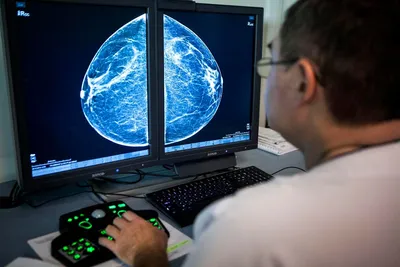
AI integration in oncology shifts medical roles from diagnosis to data
Artificial intelligence is rapidly taking over clinical tasks like mammography screening and clinical trial matching. This technological shift forces healthcare professionals to adapt from manual diagnostics to managing AI pipelines.

Novo Nordisk partners with AI firm to automate drug research timelines
The pharmaceutical giant is integrating AI to accelerate drug discovery, a move that will reshape the roles of clinical researchers. Faster timelines mean a shift from manual lab analysis to AI-assisted data validation.
Last scored March 14, 2026 · Based on BLS employment data and O*NET task analysis