Municipal Firefighters
Control and extinguish municipal fires, protect life and property and conduct rescue efforts.
How AI Impacts Each Task
28 tasks analyzed
Search burning buildings to locate fire victims.
Rescue victims from burning buildings, accident sites, and water hazards.
Administer first aid and cardiopulmonary resuscitation to injured persons.
Dress with equipment such as fire-resistant clothing and breathing apparatus.
Assess fires and situations and report conditions to superiors to receive instructions, using two-way radios.
Move toward the source of a fire, using knowledge of types of fires, construction design, building materials, and physical layout of properties.
Respond to fire alarms and other calls for assistance, such as automobile and industrial accidents.
Create openings in buildings for ventilation or entrance, using axes, chisels, crowbars, electric saws, or core cutters.
Drive and operate fire fighting vehicles and equipment.
Inspect fire sites after flames have been extinguished to ensure that there is no further danger.
Take action to contain hazardous chemicals that might catch fire, leak, or spill.
Position and climb ladders to gain access to upper levels of buildings, or to rescue individuals from burning structures.
Lay hose lines and connect them to water supplies.
Select and attach hose nozzles, depending on fire type, and direct streams of water or chemicals onto fires.
Operate pumps connected to high-pressure hoses.
Spray foam onto runways, extinguish fires, and rescue aircraft crew and passengers in air-crash emergencies.
Collaborate with police to respond to accidents, disasters, and arson investigation calls.
Participate in fire drills and demonstrations of fire fighting techniques.
Prepare written reports that detail specifics of fire incidents.
Participate in physical training activities to maintain a high level of physical fitness.
Protect property from water and smoke, using waterproof salvage covers, smoke ejectors, and deodorants.
Inform and educate the public on fire prevention.
Salvage property by removing broken glass, pumping out water, and ventilating buildings to remove smoke.
Clean and maintain fire stations and fire fighting equipment and apparatus.
Inspect buildings for fire hazards and compliance with fire prevention ordinances, testing and checking smoke alarms and fire suppression equipment as necessary.
Participate in courses, seminars and conferences, and study fire science literature, to learn firefighting techniques.
Establish firelines to prevent unauthorized persons from entering areas near fires.
Administer first aid and cardiopulmonary resuscitation to injured persons or provide emergency medical care such as basic or advanced life support.
| Task | AI Capability | Risk | Time % | |
|---|---|---|---|---|
| Search burning buildings to locate fire victims. | 5Estimated | 11.0% | 2% | |
| Rescue victims from burning buildings, accident sites, and water hazards. | 0Estimated | 9.0% | 2% | |
| Administer first aid and cardiopulmonary resuscitation to injured persons. | 0Estimated | 9.0% | 4% | |
| Dress with equipment such as fire-resistant clothing and breathing apparatus. | 0Estimated | 33.0% | 2% | |
| Assess fires and situations and report conditions to superiors to receive instructions, using two-way radios. | 30Estimated | 39.0% | 3% | |
| Move toward the source of a fire, using knowledge of types of fires, construction design, building materials, and physical layout of properties. | 10Estimated | 31.0% | 2% | |
| Respond to fire alarms and other calls for assistance, such as automobile and industrial accidents. | 0Estimated | 9.0% | 5% | |
| Create openings in buildings for ventilation or entrance, using axes, chisels, crowbars, electric saws, or core cutters. | 0Estimated | 9.0% | 2% | |
| Drive and operate fire fighting vehicles and equipment. | 20Estimated | 17.0% | 4% | |
| Inspect fire sites after flames have been extinguished to ensure that there is no further danger. | 30Estimated | 39.0% | 2% | |
| Take action to contain hazardous chemicals that might catch fire, leak, or spill. | 0Estimated | 9.0% | 2% | |
| Position and climb ladders to gain access to upper levels of buildings, or to rescue individuals from burning structures. | 0Estimated | 9.0% | 2% | |
| Lay hose lines and connect them to water supplies. | 0Estimated | 9.0% | 3% | |
| Select and attach hose nozzles, depending on fire type, and direct streams of water or chemicals onto fires. | 0Estimated | 9.0% | 2% | |
| Operate pumps connected to high-pressure hoses. | 20Estimated | 41.0% | 3% | |
| Spray foam onto runways, extinguish fires, and rescue aircraft crew and passengers in air-crash emergencies. | 0Estimated | 9.0% | 2% | |
| Collaborate with police to respond to accidents, disasters, and arson investigation calls. | 10Estimated | 19.0% | 2% | |
| Participate in fire drills and demonstrations of fire fighting techniques. | 0Estimated | 9.0% | 5% | |
| Prepare written reports that detail specifics of fire incidents. | 92Estimated | 86.0% | 5% | |
| Participate in physical training activities to maintain a high level of physical fitness. | 0Estimated | 33.0% | 10% | |
| Protect property from water and smoke, using waterproof salvage covers, smoke ejectors, and deodorants. | 0Estimated | 9.0% | 2% | |
| Inform and educate the public on fire prevention. | 40Estimated | 31.0% | 3% | |
| Salvage property by removing broken glass, pumping out water, and ventilating buildings to remove smoke. | 0Estimated | 9.0% | 2% | |
| Clean and maintain fire stations and fire fighting equipment and apparatus. | 20Estimated | 41.0% | 12% | |
| Inspect buildings for fire hazards and compliance with fire prevention ordinances, testing and checking smoke alarms and fire suppression equipment as necessary. | 50Estimated | 69.2% | 4% | |
| Participate in courses, seminars and conferences, and study fire science literature, to learn firefighting techniques. | 0Estimated | 49.2% | 5% | |
| Establish firelines to prevent unauthorized persons from entering areas near fires. | 0Estimated | 9.0% | 2% | |
| Administer first aid and cardiopulmonary resuscitation to injured persons or provide emergency medical care such as basic or advanced life support. | 0Estimated | 9.0% | 6% |
Skill Impact Analysis
AI-Vulnerable Skills (6)
High reliance on Mathematics is a risk area. Consider developing complementary AI-resistant skills to maintain value.
High reliance on Information Ordering is a risk area. Consider developing complementary AI-resistant skills to maintain value.
High reliance on Reading Comprehension is a risk area. Consider developing complementary AI-resistant skills to maintain value.
Memorization is AI-vulnerable but has moderate importance in this role. AI tools may handle this; focus on higher-value skills.
Mathematics is AI-vulnerable but has moderate importance in this role. AI tools may handle this; focus on higher-value skills.
Programming is AI-vulnerable but has moderate importance in this role. AI tools may handle this; focus on higher-value skills.
AI-Resistant Skills (11)
Adaptability/Flexibility is AI-resistant — strengthening this skill provides durable career protection.
Leadership is AI-resistant — strengthening this skill provides durable career protection.
Manual Dexterity is AI-resistant — strengthening this skill provides durable career protection.
Coordination is AI-resistant — strengthening this skill provides durable career protection.
Service Orientation is AI-resistant — strengthening this skill provides durable career protection.
Instructing is AI-resistant — strengthening this skill provides durable career protection.
Social Perceptiveness is AI-resistant — strengthening this skill provides durable career protection.
Persuasion is AI-resistant — strengthening this skill provides durable career protection.
Recommended Courses
Courses matched to Municipal Firefighters skill gaps, ranked by relevance to your displacement risk profile.
Get personalized recommendations. Answer a few questions about your experience and skills to get course suggestions tailored specifically to you.
Upskill to Reduce Risk
Courses addressing your most AI-vulnerable skills
SQL Fundamentals Skill Track
by DataCamp
Estimated Impact
AI-Augmentation Tools
Learn to work alongside AI and boost your productivity
Cybersecurity Fundamentals Path
by Pluralsight
Estimated Impact
Strengthen Your Edge
Double down on skills AI can't replicate
Leading People and Teams Specialization
by University of Michigan
Estimated Impact
We may earn a commission when you enroll through our links, at no extra cost to you. This helps fund the Takeover Tracker.
Risk reduction and salary impact are estimates based on skill gap analysis, course relevance, and labor market data. Actual results vary by individual circumstance.
Alternate Career Paths
See all transitionsCommercial Divers
22%Median salary: $61,130
Higher risk than 12% of other occupations
Electrical Power-Line Installers and Repairers
22%Median salary: $92,560
Higher risk than 11% of other occupations
Emergency Medical Technicians and Paramedics
17%Higher risk than 3% of other occupations
First-Line Supervisors of Construction Trades and Extraction Workers
26%Median salary: $78,690
Higher risk than 21% of other occupations
Forest Fire Fighting and Prevention Supervisors
26%Median salary: $92,430
Higher risk than 22% of other occupations
Forest Firefighters
21%Median salary: $59,530
Higher risk than 9% of other occupations
Municipal Fire Fighting and Prevention Supervisors
27%Median salary: $92,430
Higher risk than 25% of other occupations
Ship and Boat Captains
28%Median salary: $85,540
Higher risk than 28% of other occupations
Ship Engineers
28%Median salary: $101,320
Higher risk than 30% of other occupations
Water and Wastewater Treatment Plant and System Operators
39%Median salary: $58,260
Higher risk than 78% of other occupations
Score History
Risk score over 2 scoring runs
overall change
Education & Training
Percentage of workers at each education and training level
Education Level
Prior Experience Needed
Work experience required to enter this job
Training Provided After Hiring
How long it typically takes to learn on the job
Related News
Recent articles about AI affecting this occupation
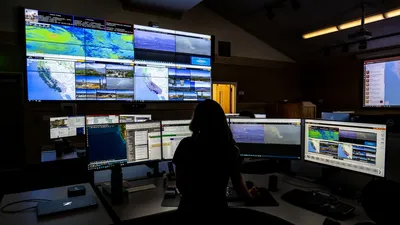
AI is Now Directing Firefighter Deployments in Wildfire Response
Fire officials are beginning to rely on artificial intelligence to make critical decisions about where to deploy human crews during multi-fire events. This shift moves AI from simple detection into a management role, directly dictating the dangerous daily operations of wildland firefighters.
Last scored March 14, 2026 · Based on BLS employment data and O*NET task analysis