Pathologists
Diagnose presence and stage of diseases using laboratory techniques and patient specimens. Study the nature, cause, and development of diseases. May perform autopsies.
How AI Impacts Each Task
19 tasks analyzed
Examine microscopic samples to identify diseases or other abnormalities.
Diagnose diseases or study medical conditions using techniques such as gross pathology, histology, cytology, cytopathology, clinical chemistry, immunology, flow cytometry, or molecular biology.
Write pathology reports summarizing analyses, results, and conclusions.
Identify the etiology, pathogenesis, morphological change, and clinical significance of diseases.
Analyze and interpret results from tests such as microbial or parasite tests, urine analyses, hormonal assays, fine needle aspirations (FNAs), and polymerase chain reactions (PCRs).
Communicate pathologic findings to surgeons or other physicians.
Diagnose infections, such as Hepatitis B and Acquired Immune Deficiency Syndrome (AIDS), by conducting tests to detect the antibodies that patients' immune systems make to fight such infections.
Read current literature, talk with colleagues, or participate in professional organizations or conferences to keep abreast of developments in pathology.
Consult with physicians about ordering and interpreting tests or providing treatments.
Conduct genetic analyses of deoxyribonucleic acid (DNA) or chromosomes to diagnose small biopsies and cell samples.
Plan and supervise the work of the pathology staff, residents or visiting pathologists.
Obtain specimens by performing procedures such as biopsies or fine need aspirations (FNAs) of superficial nodules.
Review cases by analyzing autopsies, laboratory findings, or case investigation reports.
Educate physicians, students, and other personnel in medical laboratory professions such as medical technology, cytotechnology, or histotechnology.
Manage medical laboratories.
Develop or adopt new tests or instruments to improve diagnosis of diseases.
Conduct research and present scientific findings.
Perform autopsies to determine causes of deaths.
Testify in depositions or trials as an expert witness.
| Task | AI Capability | Risk | Time % | |
|---|---|---|---|---|
| Examine microscopic samples to identify diseases or other abnormalities. | 55.97Observed | 49.4% | 12% | |
| Diagnose diseases or study medical conditions using techniques such as gross pathology, histology, cytology, cytopathology, clinical chemistry, immunology, flow cytometry, or molecular biology. | 49.85Observed | 46.9% | 12% | |
| Write pathology reports summarizing analyses, results, and conclusions. | 90Estimated | 85.2% | 10% | |
| Identify the etiology, pathogenesis, morphological change, and clinical significance of diseases. | 70Estimated | 55.0% | 8% | |
| Analyze and interpret results from tests such as microbial or parasite tests, urine analyses, hormonal assays, fine needle aspirations (FNAs), and polymerase chain reactions (PCRs). | 37.38Observed | 42.0% | 10% | |
| Communicate pathologic findings to surgeons or other physicians. | 30Estimated | 27.0% | 5% | |
| Diagnose infections, such as Hepatitis B and Acquired Immune Deficiency Syndrome (AIDS), by conducting tests to detect the antibodies that patients' immune systems make to fight such infections. | 60Estimated | 51.0% | 5% | |
| Read current literature, talk with colleagues, or participate in professional organizations or conferences to keep abreast of developments in pathology. | 60Estimated | 51.0% | 3% | |
| Consult with physicians about ordering and interpreting tests or providing treatments. | 35Estimated | 29.0% | 5% | |
| Conduct genetic analyses of deoxyribonucleic acid (DNA) or chromosomes to diagnose small biopsies and cell samples. | 75Estimated | 57.0% | 4% | |
| Plan and supervise the work of the pathology staff, residents or visiting pathologists. | 20Estimated | 23.0% | 4% | |
| Obtain specimens by performing procedures such as biopsies or fine need aspirations (FNAs) of superficial nodules. | 10Estimated | 13.0% | 3% | |
| Review cases by analyzing autopsies, laboratory findings, or case investigation reports. | 65Estimated | 53.0% | 4% | |
| Educate physicians, students, and other personnel in medical laboratory professions such as medical technology, cytotechnology, or histotechnology. | 53.33Observed | 36.3% | 3% | |
| Manage medical laboratories. | 60Estimated | 73.2% | 3% | |
| Develop or adopt new tests or instruments to improve diagnosis of diseases. | 60Estimated | 51.0% | 2% | |
| Conduct research and present scientific findings. | 61.4Observed | 51.6% | 2% | |
| Perform autopsies to determine causes of deaths. | 5Estimated | 11.0% | 3% | |
| Testify in depositions or trials as an expert witness. | 0Estimated | 15.0% | 2% |
Skill Impact Analysis
AI-Vulnerable Skills (6)
High reliance on Reading Comprehension is a risk area. Consider developing complementary AI-resistant skills to maintain value.
High reliance on Information Ordering is a risk area. Consider developing complementary AI-resistant skills to maintain value.
Memorization is AI-vulnerable but has moderate importance in this role. AI tools may handle this; focus on higher-value skills.
Mathematics is AI-vulnerable but has moderate importance in this role. AI tools may handle this; focus on higher-value skills.
Mathematics is AI-vulnerable but has moderate importance in this role. AI tools may handle this; focus on higher-value skills.
Programming is AI-vulnerable but has moderate importance in this role. AI tools may handle this; focus on higher-value skills.
AI-Resistant Skills (11)
Leadership is AI-resistant — strengthening this skill provides durable career protection.
Adaptability/Flexibility is AI-resistant — strengthening this skill provides durable career protection.
Complex Problem Solving is AI-resistant — strengthening this skill provides durable career protection.
Instructing is AI-resistant — strengthening this skill provides durable career protection.
Coordination is AI-resistant — strengthening this skill provides durable career protection.
Social Perceptiveness is AI-resistant — strengthening this skill provides durable career protection.
Service Orientation is AI-resistant — strengthening this skill provides durable career protection.
Persuasion is AI-resistant — strengthening this skill provides durable career protection.
Recommended Courses
Courses matched to Pathologists skill gaps, ranked by relevance to your displacement risk profile.
Get personalized recommendations. Answer a few questions about your experience and skills to get course suggestions tailored specifically to you.
Upskill to Reduce Risk
Courses addressing your most AI-vulnerable skills
SQL Fundamentals Skill Track
by DataCamp
Estimated Impact
AI-Augmentation Tools
Learn to work alongside AI and boost your productivity
Creative Writing Specialization
by Wesleyan University
Estimated Impact
Strengthen Your Edge
Double down on skills AI can't replicate
Leading People and Teams Specialization
by University of Michigan
Estimated Impact
We may earn a commission when you enroll through our links, at no extra cost to you. This helps fund the Takeover Tracker.
Risk reduction and salary impact are estimates based on skill gap analysis, course relevance, and labor market data. Actual results vary by individual circumstance.
Alternate Career Paths
See all transitionsBiological Science Teachers, Postsecondary
30%Median salary: $83,460
Higher risk than 41% of other occupations
Chemistry Teachers, Postsecondary
35%Median salary: $86,220
Higher risk than 65% of other occupations
Dietitians and Nutritionists
31%Median salary: $73,850
Higher risk than 44% of other occupations
Health Specialties Teachers, Postsecondary
31%Median salary: $105,620
Higher risk than 47% of other occupations
Hospitalists
27%Higher risk than 25% of other occupations
Medical Scientists, Except Epidemiologists
30%Median salary: $100,590
Higher risk than 40% of other occupations
Microbiologists
29%Median salary: $87,330
Higher risk than 34% of other occupations
Molecular and Cellular Biologists
33%Median salary: $93,330
Higher risk than 56% of other occupations
Pharmacists
30%Median salary: $137,480
Higher risk than 41% of other occupations
Surgeons
17%Higher risk than 3% of other occupations
Score History
Risk score over 2 scoring runs
overall change
Education & Training
Percentage of workers at each education and training level
Education Level
Prior Experience Needed
Work experience required to enter this job
Training Provided After Hiring
How long it typically takes to learn on the job
Related News
Recent articles about AI affecting this occupation
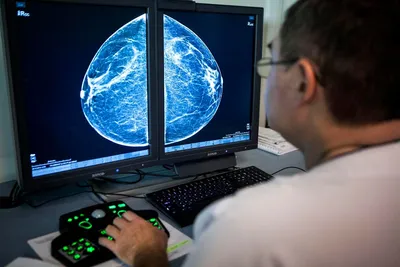
AI integration in oncology shifts medical roles from diagnosis to data
Artificial intelligence is rapidly taking over clinical tasks like mammography screening and clinical trial matching. This technological shift forces healthcare professionals to adapt from manual diagnostics to managing AI pipelines.
Pathologist Shortages Drive Rapid Adoption of AI Diagnostic Tools
A lack of human pathologists is accelerating the rollout of AI in cloud diagnostics and precision oncology. This shift is creating new tech-adjacent roles while automating traditional imaging tasks.
Last scored March 14, 2026 · Based on BLS employment data and O*NET task analysis