Personal Care Aides
Assist the elderly, convalescents, or persons with disabilities with daily living activities at the person's home or in a care facility. Duties performed at a place of residence may include keeping house (making beds, doing laundry, washing dishes) and preparing meals. May provide assistance at non-residential care facilities. May advise families, the elderly, convalescents, and persons with disabilities regarding such things as nutrition, cleanliness, and household activities.
How AI Impacts Each Task
12 tasks analyzed
Administer bedside or personal care, such as ambulation or personal hygiene assistance.
Prepare and maintain records of client progress and services performed, reporting changes in client condition to manager or supervisor.
Perform healthcare-related tasks, such as monitoring vital signs and medication, under the direction of registered nurses or physiotherapists.
Participate in case reviews, consulting with the team caring for the client, to evaluate the client's needs and plan for continuing services.
Care for individuals or families during periods of incapacitation, family disruption, or convalescence, providing companionship, personal care, or help in adjusting to new lifestyles.
Plan, shop for, or prepare nutritious meals or assist families in planning, shopping for, or preparing nutritious meals.
Transport clients to locations outside the home, such as to physicians' offices or on outings, using a motor vehicle.
Perform housekeeping duties, such as cooking, cleaning, washing clothes or dishes, or running errands.
Instruct or advise clients on issues such as household cleanliness, utilities, hygiene, nutrition, or infant care.
Provide clients with communication assistance, typing their correspondence or obtaining information for them.
Train family members to provide bedside care.
Administer bedside or personal care, such as assistance with ambulation, dressing, feeding, or personal hygiene.
| Task | AI Capability | Risk | Time % | |
|---|---|---|---|---|
| Administer bedside or personal care, such as ambulation or personal hygiene assistance. | 0Estimated | 9.0% | 15% | |
| Prepare and maintain records of client progress and services performed, reporting changes in client condition to manager or supervisor. | 53.33Observed | 70.5% | 5% | |
| Perform healthcare-related tasks, such as monitoring vital signs and medication, under the direction of registered nurses or physiotherapists. | 65Estimated | 75.2% | 10% | |
| Participate in case reviews, consulting with the team caring for the client, to evaluate the client's needs and plan for continuing services. | 35Estimated | 29.0% | 3% | |
| Care for individuals or families during periods of incapacitation, family disruption, or convalescence, providing companionship, personal care, or help in adjusting to new lifestyles. | 10Estimated | 19.0% | 15% | |
| Plan, shop for, or prepare nutritious meals or assist families in planning, shopping for, or preparing nutritious meals. | 57.25Observed | 31.9% | 8% | |
| Transport clients to locations outside the home, such as to physicians' offices or on outings, using a motor vehicle. | 20Estimated | 17.0% | 5% | |
| Perform housekeeping duties, such as cooking, cleaning, washing clothes or dishes, or running errands. | 30Estimated | 45.0% | 15% | |
| Instruct or advise clients on issues such as household cleanliness, utilities, hygiene, nutrition, or infant care. | 40Estimated | 31.0% | 4% | |
| Provide clients with communication assistance, typing their correspondence or obtaining information for them. | 54Observed | 70.8% | 2% | |
| Train family members to provide bedside care. | 25Estimated | 25.0% | 3% | |
| Administer bedside or personal care, such as assistance with ambulation, dressing, feeding, or personal hygiene. | 0Estimated | 9.0% | 15% |
Skill Impact Analysis
AI-Vulnerable Skills (6)
Information Ordering is AI-vulnerable but has moderate importance in this role. AI tools may handle this; focus on higher-value skills.
Reading Comprehension is AI-vulnerable but has moderate importance in this role. AI tools may handle this; focus on higher-value skills.
Mathematics is AI-vulnerable but has moderate importance in this role. AI tools may handle this; focus on higher-value skills.
Memorization is AI-vulnerable but has moderate importance in this role. AI tools may handle this; focus on higher-value skills.
Mathematics is AI-vulnerable but has moderate importance in this role. AI tools may handle this; focus on higher-value skills.
Programming is AI-vulnerable but has moderate importance in this role. AI tools may handle this; focus on higher-value skills.
AI-Resistant Skills (11)
Adaptability/Flexibility is AI-resistant — strengthening this skill provides durable career protection.
Service Orientation is AI-resistant — strengthening this skill provides durable career protection.
Leadership is AI-resistant — strengthening this skill provides durable career protection.
Social Perceptiveness is AI-resistant — strengthening this skill provides durable career protection.
Coordination is AI-resistant — strengthening this skill provides durable career protection.
Instructing is AI-resistant — strengthening this skill provides durable career protection.
Complex Problem Solving is AI-resistant — strengthening this skill provides durable career protection.
Manual Dexterity is AI-resistant — strengthening this skill provides durable career protection.
Recommended Courses
Courses matched to Personal Care Aides skill gaps, ranked by relevance to your displacement risk profile.
Get personalized recommendations. Answer a few questions about your experience and skills to get course suggestions tailored specifically to you.
Upskill to Reduce Risk
Courses addressing your most AI-vulnerable skills
SQL Fundamentals Skill Track
by DataCamp
Estimated Impact
AI-Augmentation Tools
Learn to work alongside AI and boost your productivity
Cybersecurity Fundamentals Path
by Pluralsight
Estimated Impact
Strengthen Your Edge
Double down on skills AI can't replicate
Customer Service Fundamentals
by Knowledge Accelerators
Estimated Impact
We may earn a commission when you enroll through our links, at no extra cost to you. This helps fund the Takeover Tracker.
Risk reduction and salary impact are estimates based on skill gap analysis, course relevance, and labor market data. Actual results vary by individual circumstance.
Alternate Career Paths
See all transitionsAmbulance Drivers and Attendants, Except Emergency Medical Technicians
15%Median salary: $34,330
Higher risk than 1% of other occupations
Bakers
37%Median salary: $36,650
Higher risk than 71% of other occupations
Childcare Workers
22%Median salary: $32,050
Higher risk than 11% of other occupations
Funeral Attendants
26%Median salary: $34,610
Higher risk than 23% of other occupations
Gaming Change Persons and Booth Cashiers
59%Median salary: $34,810
Higher risk than 99% of other occupations
Home Health Aides
22%Higher risk than 11% of other occupations
Lifeguards, Ski Patrol, and Other Recreational Protective Service Workers
30%Median salary: $33,720
Higher risk than 41% of other occupations
Occupational Therapy Aides
24%Median salary: $37,370
Higher risk than 17% of other occupations
Physical Therapist Aides
24%Median salary: $34,520
Higher risk than 17% of other occupations
Transportation Attendants, Except Flight Attendants
36%Median salary: $37,560
Higher risk than 70% of other occupations
Score History
Risk score over 2 scoring runs
overall change
Education & Training
Percentage of workers at each education and training level
Education Level
Prior Experience Needed
Work experience required to enter this job
Training Provided After Hiring
How long it typically takes to learn on the job
Related News
Recent articles about AI affecting this occupation

Automation Lets One-Person Agencies Do the Work of 20 Staff
New agency management platforms are allowing solo insurance agents to handle the workload and complexity of a 20-person shop. This software eliminates the need to hire administrative and support staff as small agencies scale.
How AI is Reshaping Workflows in Home Care Agencies
AxisCare's CTO discusses how artificial intelligence is being integrated into home care, potentially shifting daily responsibilities for care providers and administrative staff.
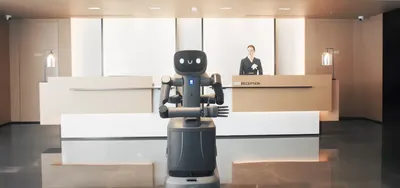
Can care robots and AI solve the global care crisis, opinion piece asks
Japan and South Korea are aggressively deploying automated caregiving technologies to combat severe labor shortages caused by aging populations.

Auto Tech Giant Previews AI's Impact on Dealership Jobs at 2026 Summit
Automotive software provider Reynolds and Reynolds will detail how AI is reshaping dealership operations at an upcoming industry summit. The presentation signals impending workflow changes for auto retail workers.

Austin Community College Uses AI to Augment Student Support Staff
The college has deployed artificial intelligence to analyze real-time data and flag at-risk students. This shifts the role of academic advisors from reactive troubleshooting to proactive intervention, changing the daily workflow of educational support staff.
Last scored March 14, 2026 · Based on BLS employment data and O*NET task analysis