Airline Pilots, Copilots, and Flight Engineers
Pilot and navigate the flight of fixed-wing, multi-engine aircraft, usually on scheduled air carrier routes, for the transport of passengers and cargo. Requires Federal Air Transport Pilot certificate and rating for specific aircraft type used. Includes regional, National, and international airline pilots and flight instructors of airline pilots.
How AI Impacts Each Task
26 tasks analyzed
Work as part of a flight team with other crew members, especially during takeoffs and landings.
Use instrumentation to guide flights when visibility is poor.
Start engines, operate controls, and pilot airplanes to transport passengers, mail, or freight, adhering to flight plans, regulations, and procedures.
Contact control towers for takeoff clearances, arrival instructions, and other information, using radio equipment.
Monitor gauges, warning devices, and control panels to verify aircraft performance and to regulate engine speed.
Respond to and report in-flight emergencies and malfunctions.
Steer aircraft along planned routes, using autopilot and flight management computers.
Check passenger and cargo distributions and fuel amounts to ensure that weight and balance specifications are met.
Monitor engine operation, fuel consumption, and functioning of aircraft systems during flights.
Inspect aircraft for defects and malfunctions, according to pre-flight checklists.
Perform minor maintenance work, or arrange for major maintenance.
Test and evaluate the performance of new aircraft.
Choose routes, altitudes, and speeds that will provide the fastest, safest, and smoothest flights.
Confer with flight dispatchers and weather forecasters to keep abreast of flight conditions.
Direct activities of aircraft crews during flights.
Coordinate flight activities with ground crews and air traffic control and inform crew members of flight and test procedures.
Brief crews about flight details, such as destinations, duties, and responsibilities.
File instrument flight plans with air traffic control to ensure that flights are coordinated with other air traffic.
Order changes in fuel supplies, loads, routes, or schedules to ensure safety of flights.
Conduct in-flight tests and evaluations at specified altitudes and in all types of weather to determine the receptivity and other characteristics of equipment and systems.
Record in log books information such as flight times, distances flown, and fuel consumption.
Instruct other pilots and student pilots in aircraft operations and the principles of flight.
Plan and formulate flight activities and test schedules and prepare flight evaluation reports.
Load smaller aircraft, handling passenger luggage and supervising refueling.
Evaluate other pilots or pilot-license applicants for proficiency.
Make announcements regarding flights, using public address systems.
| Task | AI Capability | Risk | Time % | |
|---|---|---|---|---|
| Work as part of a flight team with other crew members, especially during takeoffs and landings. | 0Estimated | 15.0% | 5% | |
| Use instrumentation to guide flights when visibility is poor. | 50Estimated | 47.0% | 5% | |
| Start engines, operate controls, and pilot airplanes to transport passengers, mail, or freight, adhering to flight plans, regulations, and procedures. | 0Estimated | 9.0% | 10% | |
| Contact control towers for takeoff clearances, arrival instructions, and other information, using radio equipment. | 82Estimated | 82.0% | 5% | |
| Monitor gauges, warning devices, and control panels to verify aircraft performance and to regulate engine speed. | 87Estimated | 84.0% | 8% | |
| Respond to and report in-flight emergencies and malfunctions. | 25Estimated | 37.0% | 2% | |
| Steer aircraft along planned routes, using autopilot and flight management computers. | 97Estimated | 88.0% | 8% | |
| Check passenger and cargo distributions and fuel amounts to ensure that weight and balance specifications are met. | 92Estimated | 86.0% | 3% | |
| Monitor engine operation, fuel consumption, and functioning of aircraft systems during flights. | 92Estimated | 86.0% | 8% | |
| Inspect aircraft for defects and malfunctions, according to pre-flight checklists. | 35Estimated | 47.0% | 4% | |
| Perform minor maintenance work, or arrange for major maintenance. | 0Estimated | 9.0% | 2% | |
| Test and evaluate the performance of new aircraft. | 25Estimated | 37.0% | 2% | |
| Choose routes, altitudes, and speeds that will provide the fastest, safest, and smoothest flights. | 60Estimated | 51.0% | 4% | |
| Confer with flight dispatchers and weather forecasters to keep abreast of flight conditions. | 35Estimated | 29.0% | 3% | |
| Direct activities of aircraft crews during flights. | 10Estimated | 19.0% | 4% | |
| Coordinate flight activities with ground crews and air traffic control and inform crew members of flight and test procedures. | 20Estimated | 23.0% | 3% | |
| Brief crews about flight details, such as destinations, duties, and responsibilities. | 20Estimated | 23.0% | 3% | |
| File instrument flight plans with air traffic control to ensure that flights are coordinated with other air traffic. | 97Estimated | 88.0% | 2% | |
| Order changes in fuel supplies, loads, routes, or schedules to ensure safety of flights. | 40Estimated | 43.0% | 2% | |
| Conduct in-flight tests and evaluations at specified altitudes and in all types of weather to determine the receptivity and other characteristics of equipment and systems. | 25Estimated | 37.0% | 2% | |
| Record in log books information such as flight times, distances flown, and fuel consumption. | 97Estimated | 88.0% | 3% | |
| Instruct other pilots and student pilots in aircraft operations and the principles of flight. | 15Estimated | 21.0% | 2% | |
| Plan and formulate flight activities and test schedules and prepare flight evaluation reports. | 55Estimated | 49.0% | 2% | |
| Load smaller aircraft, handling passenger luggage and supervising refueling. | 40Estimated | 49.0% | 2% | |
| Evaluate other pilots or pilot-license applicants for proficiency. | 30Estimated | 39.0% | 2% | |
| Make announcements regarding flights, using public address systems. | 92Estimated | 86.0% | 2% |
Skill Impact Analysis
AI-Vulnerable Skills (6)
High reliance on Information Ordering is a risk area. Consider developing complementary AI-resistant skills to maintain value.
High reliance on Mathematics is a risk area. Consider developing complementary AI-resistant skills to maintain value.
High reliance on Reading Comprehension is a risk area. Consider developing complementary AI-resistant skills to maintain value.
High reliance on Mathematics is a risk area. Consider developing complementary AI-resistant skills to maintain value.
Memorization is AI-vulnerable but has moderate importance in this role. AI tools may handle this; focus on higher-value skills.
Programming is AI-vulnerable but has moderate importance in this role. AI tools may handle this; focus on higher-value skills.
AI-Resistant Skills (11)
Leadership is AI-resistant — strengthening this skill provides durable career protection.
Adaptability/Flexibility is AI-resistant — strengthening this skill provides durable career protection.
Complex Problem Solving is AI-resistant — strengthening this skill provides durable career protection.
Coordination is AI-resistant — strengthening this skill provides durable career protection.
Manual Dexterity is AI-resistant — strengthening this skill provides durable career protection.
Social Perceptiveness is AI-resistant — strengthening this skill provides durable career protection.
Service Orientation is AI-resistant — strengthening this skill provides durable career protection.
Instructing is AI-resistant — strengthening this skill provides durable career protection.
Recommended Courses
Courses matched to Airline Pilots, Copilots, and Flight Engineers skill gaps, ranked by relevance to your displacement risk profile.
Get personalized recommendations. Answer a few questions about your experience and skills to get course suggestions tailored specifically to you.
Upskill to Reduce Risk
Courses addressing your most AI-vulnerable skills
SQL Fundamentals Skill Track
by DataCamp
Estimated Impact
AI-Augmentation Tools
Learn to work alongside AI and boost your productivity
Cybersecurity Fundamentals Path
by Pluralsight
Estimated Impact
Strengthen Your Edge
Double down on skills AI can't replicate
Leading People and Teams Specialization
by University of Michigan
Estimated Impact
We may earn a commission when you enroll through our links, at no extra cost to you. This helps fund the Takeover Tracker.
Risk reduction and salary impact are estimates based on skill gap analysis, course relevance, and labor market data. Actual results vary by individual circumstance.
Alternate Career Paths
See all transitionsAdvertising and Promotions Managers
31%Higher risk than 43% of other occupations
Airfield Operations Specialists
37%Median salary: $56,750
Higher risk than 73% of other occupations
Chief Executives
26%Higher risk than 23% of other occupations
Commercial Pilots
34%Median salary: $122,670
Higher risk than 63% of other occupations
Computer and Information Systems Managers
31%Higher risk than 45% of other occupations
Environmental Compliance Inspectors
40%Median salary: $78,420
Higher risk than 79% of other occupations
Environmental Science and Protection Technicians, Including Health
33%Higher risk than 55% of other occupations
Forensic Science Technicians
30%Median salary: $67,440
Higher risk than 38% of other occupations
Freight and Cargo Inspectors
43%Median salary: $85,750
Higher risk than 89% of other occupations
General and Operations Managers
28%Higher risk than 29% of other occupations
Geodetic Surveyors
34%Median salary: $72,740
Higher risk than 61% of other occupations
Immigration and Customs Inspectors
27%Median salary: $93,580
Higher risk than 27% of other occupations
Marketing Managers
30%Higher risk than 38% of other occupations
Pilots, Ship
26%Median salary: $85,540
Higher risk than 21% of other occupations
Sales Managers
25%Higher risk than 20% of other occupations
Ship and Boat Captains
28%Median salary: $85,540
Higher risk than 28% of other occupations
Score History
Risk score over 3 scoring runs
overall change
Education & Training
Percentage of workers at each education and training level
Education Level
Prior Experience Needed
Work experience required to enter this job
Training Provided After Hiring
How long it typically takes to learn on the job
Related News
Recent articles about AI affecting this occupation

Migrating the GitHub Copilot runtime to Rust, using Copilot

GitHub Copilot Upgrade Promises to Automate More Complex Coding Tasks
A new research preview dynamically routes tasks across multiple AI models to enhance coding intelligence and execution. This orchestration aims to significantly boost the tool's performance, potentially reducing the need for junior developer interventions.
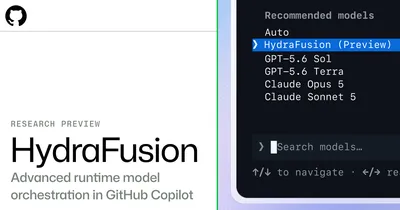
GitHub Copilot Upgrade Lowers Cost of AI Coding Workflows
GitHub's new HydraFusion tool matches top-tier AI performance while cutting operational costs. This research preview signals cheaper, more efficient automated coding is now accessible to developers.

Developers Can Now Run Multiple AI Agents in GitHub Copilot
GitHub's latest update allows developers to deploy multiple AI agents in parallel, drastically increasing coding output. Mastering this multi-agent orchestration is rapidly becoming a baseline skill for modern software engineering.
Last scored March 14, 2026 · Based on BLS employment data and O*NET task analysis