Construction Managers
Plan, direct, or coordinate, usually through subordinate supervisory personnel, activities concerned with the construction and maintenance of structures, facilities, and systems. Participate in the conceptual development of a construction project and oversee its organization, scheduling, budgeting, and implementation. Includes managers in specialized construction fields, such as carpentry or plumbing.
How AI Impacts Each Task
25 tasks analyzed
Confer with supervisory personnel, owners, contractors, or design professionals to discuss and resolve matters such as work procedures, complaints, or construction problems.
Plan, schedule, or coordinate construction project activities to meet deadlines.
Direct and supervise construction or related workers.
Prepare and submit budget estimates, progress reports, or cost tracking reports.
Inspect or review projects to monitor compliance with building and safety codes or other regulations.
Inspect or review projects to monitor compliance with environmental regulations.
Plan, organize, or direct activities concerned with the construction or maintenance of structures, facilities, or systems.
Determine labor requirements for dispatching workers to construction sites.
Study job specifications to determine appropriate construction methods.
Investigate damage, accidents, or delays at construction sites to ensure that proper construction procedures are being followed.
Prepare contracts or negotiate revisions to contractual agreements with architects, consultants, clients, suppliers, or subcontractors.
Develop or implement environmental protection programs.
Develop or implement quality control programs.
Requisition supplies or materials to complete construction projects.
Implement new or modified plans in response to delays, bad weather, or construction site emergencies.
Interpret and explain plans and contract terms to representatives of the owner or developer, including administrative staff, workers, or clients.
Perform, or contract others to perform, pre-building assessments, such as conceptual cost estimating, rough order of magnitude estimating, feasibility, or energy efficiency, environmental, and sustainability assessments.
Apply for and obtain all necessary permits or licenses.
Evaluate construction methods and determine cost-effectiveness of plans, using computer models.
Contract or oversee craft work, such as painting or plumbing.
Implement training programs on environmentally responsible building topics to update employee skills and knowledge.
Secure third-party verification from sources such as Leadership in Energy Efficient Design (LEED) to ensure responsible design and building activities or to achieve favorable LEED ratings for building projects.
Develop construction budgets to compare green and non-green construction alternatives, in terms of short-term costs, long-term costs, or environmental impacts.
Apply green building strategies to reduce energy costs or minimize carbon output or other sources of harm to the environment.
Direct acquisition of land for construction projects.
| Task | AI Capability | Risk | Time % | |
|---|---|---|---|---|
| Confer with supervisory personnel, owners, contractors, or design professionals to discuss and resolve matters such as work procedures, complaints, or construction problems. | 53.65Observed | 36.5% | 8% | |
| Plan, schedule, or coordinate construction project activities to meet deadlines. | 60Estimated | 51.0% | 8% | |
| Direct and supervise construction or related workers. | 10Estimated | 19.0% | 8% | |
| Prepare and submit budget estimates, progress reports, or cost tracking reports. | 62.5Observed | 74.2% | 7% | |
| Inspect or review projects to monitor compliance with building and safety codes or other regulations. | 50Estimated | 47.0% | 5% | |
| Inspect or review projects to monitor compliance with environmental regulations. | 50Estimated | 47.0% | 4% | |
| Plan, organize, or direct activities concerned with the construction or maintenance of structures, facilities, or systems. | 62.2Observed | 51.9% | 5% | |
| Determine labor requirements for dispatching workers to construction sites. | 87Estimated | 84.0% | 3% | |
| Study job specifications to determine appropriate construction methods. | 34.65Observed | 40.9% | 5% | |
| Investigate damage, accidents, or delays at construction sites to ensure that proper construction procedures are being followed. | 30Estimated | 39.0% | 4% | |
| Prepare contracts or negotiate revisions to contractual agreements with architects, consultants, clients, suppliers, or subcontractors. | 54.7Observed | 36.9% | 5% | |
| Develop or implement environmental protection programs. | 55Estimated | 49.0% | 3% | |
| Develop or implement quality control programs. | 55Estimated | 49.0% | 3% | |
| Requisition supplies or materials to complete construction projects. | 92Estimated | 86.0% | 3% | |
| Implement new or modified plans in response to delays, bad weather, or construction site emergencies. | 40Estimated | 43.0% | 4% | |
| Interpret and explain plans and contract terms to representatives of the owner or developer, including administrative staff, workers, or clients. | 52.88Observed | 36.2% | 4% | |
| Perform, or contract others to perform, pre-building assessments, such as conceptual cost estimating, rough order of magnitude estimating, feasibility, or energy efficiency, environmental, and sustainability assessments. | 65Estimated | 53.0% | 3% | |
| Apply for and obtain all necessary permits or licenses. | 87Estimated | 84.0% | 2% | |
| Evaluate construction methods and determine cost-effectiveness of plans, using computer models. | 60Observed | 51.0% | 3% | |
| Contract or oversee craft work, such as painting or plumbing. | 20Estimated | 23.0% | 3% | |
| Implement training programs on environmentally responsible building topics to update employee skills and knowledge. | 30Estimated | 27.0% | 2% | |
| Secure third-party verification from sources such as Leadership in Energy Efficient Design (LEED) to ensure responsible design and building activities or to achieve favorable LEED ratings for building projects. | 90Estimated | 85.2% | 2% | |
| Develop construction budgets to compare green and non-green construction alternatives, in terms of short-term costs, long-term costs, or environmental impacts. | 65Estimated | 53.0% | 2% | |
| Apply green building strategies to reduce energy costs or minimize carbon output or other sources of harm to the environment. | 60Estimated | 51.0% | 2% | |
| Direct acquisition of land for construction projects. | 15Estimated | 21.0% | 2% |
Skill Impact Analysis
AI-Vulnerable Skills (6)
High reliance on Information Ordering is a risk area. Consider developing complementary AI-resistant skills to maintain value.
High reliance on Mathematics is a risk area. Consider developing complementary AI-resistant skills to maintain value.
High reliance on Reading Comprehension is a risk area. Consider developing complementary AI-resistant skills to maintain value.
High reliance on Mathematics is a risk area. Consider developing complementary AI-resistant skills to maintain value.
Memorization is AI-vulnerable but has moderate importance in this role. AI tools may handle this; focus on higher-value skills.
Programming is AI-vulnerable but has moderate importance in this role. AI tools may handle this; focus on higher-value skills.
AI-Resistant Skills (11)
Leadership is AI-resistant — strengthening this skill provides durable career protection.
Adaptability/Flexibility is AI-resistant — strengthening this skill provides durable career protection.
Coordination is AI-resistant — strengthening this skill provides durable career protection.
Complex Problem Solving is AI-resistant — strengthening this skill provides durable career protection.
Negotiation is AI-resistant — strengthening this skill provides durable career protection.
Social Perceptiveness is AI-resistant — strengthening this skill provides durable career protection.
Persuasion is AI-resistant — strengthening this skill provides durable career protection.
Service Orientation is AI-resistant — strengthening this skill provides durable career protection.
Recommended Courses
Courses matched to Construction Managers skill gaps, ranked by relevance to your displacement risk profile.
Get personalized recommendations. Answer a few questions about your experience and skills to get course suggestions tailored specifically to you.
Upskill to Reduce Risk
Courses addressing your most AI-vulnerable skills
SQL Fundamentals Skill Track
by DataCamp
Estimated Impact
AI-Augmentation Tools
Learn to work alongside AI and boost your productivity
Google UX Design Professional Certificate
by Google
Estimated Impact
Strengthen Your Edge
Double down on skills AI can't replicate
Leading People and Teams Specialization
by University of Michigan
Estimated Impact
We may earn a commission when you enroll through our links, at no extra cost to you. This helps fund the Takeover Tracker.
Risk reduction and salary impact are estimates based on skill gap analysis, course relevance, and labor market data. Actual results vary by individual circumstance.
Alternate Career Paths
See all transitionsAdvertising and Promotions Managers
31%Higher risk than 43% of other occupations
Architectural and Engineering Managers
30%Median salary: $167,740
Higher risk than 37% of other occupations
Chief Executives
26%Higher risk than 23% of other occupations
Civil Engineers
28%Median salary: $99,590
Higher risk than 29% of other occupations
Computer and Information Systems Managers
31%Higher risk than 45% of other occupations
Energy Engineers
30%Median salary: $117,750
Higher risk than 36% of other occupations
Environmental Engineers
29%Median salary: $104,170
Higher risk than 34% of other occupations
Fire-Prevention and Protection Engineers
28%Median salary: $109,660
Higher risk than 31% of other occupations
General and Operations Managers
28%Median salary: $102,950
Higher risk than 29% of other occupations
Logistics Managers
32%Median salary: $102,010
Higher risk than 50% of other occupations
Marketing Managers
30%Higher risk than 38% of other occupations
Occupational Health and Safety Specialists
30%Higher risk than 40% of other occupations
Sales Managers
25%Higher risk than 20% of other occupations
Soil and Water Conservationists
32%Median salary: $67,950
Higher risk than 50% of other occupations
Transportation Engineers
32%Median salary: $99,590
Higher risk than 53% of other occupations
Score History
Risk score over 3 scoring runs
overall change
Education & Training
Percentage of workers at each education and training level
Education Level
Prior Experience Needed
Work experience required to enter this job
Training Provided After Hiring
How long it typically takes to learn on the job
Related News
Recent articles about AI affecting this occupation

Testing AI Coding Assistants: How Grok and Claude Impact Developer Workflows
A head-to-head test of xAI's Grok Build and Anthropic's Claude Code reveals how well these AI assistants retain context. Memory capabilities directly dictate how much time developers save versus spend correcting the AI.

AWS launches cheaper AI coding agent, escalating developer automation
Amazon Web Services released an open-source AI coding assistant that undercuts existing tools by 45%. The aggressive pricing accelerates the commoditization of entry-level programming tasks.
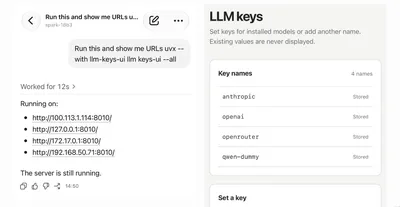
New Developer Tools Emerge to Manage Autonomous Coding Agents
Developer Simon Willison released a new plugin to manage API keys for autonomous coding agents. This highlights the rapid infrastructure growth supporting AI agents that write and execute code independently.

AI Agents Make Developer Pull Requests Obsolete as Zed Launches Delta
The fundamental workflow of software engineering is shifting as autonomous coding agents eliminate the need for manual pull requests. Zed's new tool signals a rapid move toward AI-managed codebases, threatening traditional version control roles.
Stack Overflow expands API platform to train autonomous AI coding agents
The developer Q&A giant is deepening its integration with AI by launching a ChatGPT plugin and improving its knowledge exchange for autonomous agents. This signals a major shift from human-to-human coding help toward platforms built specifically to train AI developers.
Last scored March 14, 2026 · Based on BLS employment data and O*NET task analysis