Laborers and Freight, Stock, and Material Movers, Hand
Manually move freight, stock, or other materials or perform other general labor. Includes all manual laborers not elsewhere classified.
How AI Impacts Each Task
23 tasks analyzed
Move freight, stock, or other materials to and from storage or production areas, loading docks, delivery vehicles, ships, or containers, by hand or using trucks, tractors, or other equipment.
Sort cargo before loading and unloading.
Stack cargo in locations, such as transit sheds or in holds of ships as directed, using pallets or cargo boards.
Attach identifying tags to containers or mark them with identifying information.
Record numbers of units handled or moved, using daily production sheets or work tickets.
Read work orders or receive oral instructions to determine work assignments or material or equipment needs.
Install protective devices, such as bracing, padding, or strapping, to prevent shifting or damage to items being transported.
Direct spouts and position receptacles, such as bins, carts, or containers, so they can be loaded.
Attach slings, hooks, or other devices to lift cargo and guide loads.
Maintain equipment storage areas to ensure that inventory is protected.
Adjust controls to guide, position, or move equipment, such as cranes, booms, or cameras.
Guide loads being lifted to prevent swinging.
Wash out cargo containers or storage areas.
Pack containers and re-pack damaged containers.
Carry needed tools or supplies from storage or trucks and return them after use.
Shovel material, such as gravel, ice, or spilled concrete, into containers or bins or onto conveyors.
Connect electrical equipment to power sources so that it can be tested before use.
Carry out general yard duties, such as performing shunting on railway lines.
Rig or dismantle props or equipment, such as frames, scaffolding, platforms, or backdrops, using hand tools.
Adjust or replace equipment parts, such as rollers, belts, plugs, or caps, using hand tools.
Bundle and band material such as fodder or tobacco leaves, using banding machines.
Take inventory of freight, stock, or other materials used on site.
Check freight, stock, or other materials for damage.
| Task | AI Capability | Risk | Time % | |
|---|---|---|---|---|
| Move freight, stock, or other materials to and from storage or production areas, loading docks, delivery vehicles, ships, or containers, by hand or using trucks, tractors, or other equipment. | 70Estimated | 61.0% | 20% | |
| Sort cargo before loading and unloading. | 70Estimated | 61.0% | 10% | |
| Stack cargo in locations, such as transit sheds or in holds of ships as directed, using pallets or cargo boards. | 60Estimated | 57.0% | 8% | |
| Attach identifying tags to containers or mark them with identifying information. | 65Estimated | 59.0% | 5% | |
| Record numbers of units handled or moved, using daily production sheets or work tickets. | 97Estimated | 88.0% | 5% | |
| Read work orders or receive oral instructions to determine work assignments or material or equipment needs. | 92Estimated | 86.0% | 5% | |
| Install protective devices, such as bracing, padding, or strapping, to prevent shifting or damage to items being transported. | 40Estimated | 49.0% | 4% | |
| Direct spouts and position receptacles, such as bins, carts, or containers, so they can be loaded. | 50Estimated | 53.0% | 3% | |
| Attach slings, hooks, or other devices to lift cargo and guide loads. | 35Estimated | 47.0% | 4% | |
| Maintain equipment storage areas to ensure that inventory is protected. | 40Estimated | 49.0% | 4% | |
| Adjust controls to guide, position, or move equipment, such as cranes, booms, or cameras. | 65Estimated | 59.0% | 3% | |
| Guide loads being lifted to prevent swinging. | 70Estimated | 61.0% | 3% | |
| Wash out cargo containers or storage areas. | 45Estimated | 51.0% | 2% | |
| Pack containers and re-pack damaged containers. | 50Estimated | 53.0% | 4% | |
| Carry needed tools or supplies from storage or trucks and return them after use. | 45Estimated | 51.0% | 3% | |
| Shovel material, such as gravel, ice, or spilled concrete, into containers or bins or onto conveyors. | 40Estimated | 49.0% | 2% | |
| Connect electrical equipment to power sources so that it can be tested before use. | 40Estimated | 49.0% | 2% | |
| Carry out general yard duties, such as performing shunting on railway lines. | 50Estimated | 53.0% | 2% | |
| Rig or dismantle props or equipment, such as frames, scaffolding, platforms, or backdrops, using hand tools. | 15Estimated | 15.0% | 2% | |
| Adjust or replace equipment parts, such as rollers, belts, plugs, or caps, using hand tools. | 15Estimated | 15.0% | 2% | |
| Bundle and band material such as fodder or tobacco leaves, using banding machines. | 60Estimated | 57.0% | 2% | |
| Take inventory of freight, stock, or other materials used on site. | 87Estimated | 84.0% | 3% | |
| Check freight, stock, or other materials for damage. | 90Estimated | 85.2% | 2% |
Skill Impact Analysis
AI-Vulnerable Skills (6)
Information Ordering is AI-vulnerable but has moderate importance in this role. AI tools may handle this; focus on higher-value skills.
Reading Comprehension is AI-vulnerable but has moderate importance in this role. AI tools may handle this; focus on higher-value skills.
Mathematics is AI-vulnerable but has moderate importance in this role. AI tools may handle this; focus on higher-value skills.
Memorization is AI-vulnerable but has moderate importance in this role. AI tools may handle this; focus on higher-value skills.
Mathematics is AI-vulnerable but has moderate importance in this role. AI tools may handle this; focus on higher-value skills.
Programming is AI-vulnerable but has moderate importance in this role. AI tools may handle this; focus on higher-value skills.
AI-Resistant Skills (11)
Adaptability/Flexibility is AI-resistant — strengthening this skill provides durable career protection.
Manual Dexterity is AI-resistant — strengthening this skill provides durable career protection.
Coordination is AI-resistant — strengthening this skill provides durable career protection.
Social Perceptiveness is AI-resistant — strengthening this skill provides durable career protection.
Complex Problem Solving is AI-resistant — strengthening this skill provides durable career protection.
Leadership is AI-resistant — strengthening this skill provides durable career protection.
Equipment Maintenance is AI-resistant — strengthening this skill provides durable career protection.
Service Orientation is AI-resistant — strengthening this skill provides durable career protection.
Recommended Courses
Courses matched to Laborers and Freight, Stock, and Material Movers, Hand skill gaps, ranked by relevance to your displacement risk profile.
Get personalized recommendations. Answer a few questions about your experience and skills to get course suggestions tailored specifically to you.
Upskill to Reduce Risk
Courses addressing your most AI-vulnerable skills
SQL Fundamentals Skill Track
by DataCamp
Estimated Impact
AI-Augmentation Tools
Learn to work alongside AI and boost your productivity
Google UX Design Professional Certificate
by Google
Estimated Impact
Strengthen Your Edge
Double down on skills AI can't replicate
Inspired Leadership Through Emotional Intelligence
by Case Western Reserve University
Estimated Impact
We may earn a commission when you enroll through our links, at no extra cost to you. This helps fund the Takeover Tracker.
Risk reduction and salary impact are estimates based on skill gap analysis, course relevance, and labor market data. Actual results vary by individual circumstance.
Alternate Career Paths
See all transitionsAdvertising and Promotions Managers
31%Higher risk than 43% of other occupations
Chief Executives
26%Higher risk than 23% of other occupations
Computer and Information Systems Managers
31%Higher risk than 45% of other occupations
Fence Erectors
23%Median salary: $46,940
Higher risk than 14% of other occupations
General and Operations Managers
28%Higher risk than 29% of other occupations
Industrial Truck and Tractor Operators
46%Median salary: $46,390
Higher risk than 92% of other occupations
Marketing Managers
30%Higher risk than 38% of other occupations
Meter Readers, Utilities
42%Median salary: $49,180
Higher risk than 85% of other occupations
Molding and Casting Workers
37%Median salary: $45,690
Higher risk than 72% of other occupations
Packaging and Filling Machine Operators and Tenders
47%Median salary: $40,900
Higher risk than 95% of other occupations
Pipelayers
22%Median salary: $48,710
Higher risk than 10% of other occupations
Print Binding and Finishing Workers
37%Median salary: $39,820
Higher risk than 71% of other occupations
Rail-Track Laying and Maintenance Equipment Operators
30%Median salary: $67,370
Higher risk than 38% of other occupations
Reinforcing Iron and Rebar Workers
20%Median salary: $59,280
Higher risk than 6% of other occupations
Sales Managers
25%Higher risk than 20% of other occupations
Sawing Machine Setters, Operators, and Tenders, Wood
34%Median salary: $39,950
Higher risk than 63% of other occupations
Score History
Risk score over 2 scoring runs
overall change
Education & Training
Percentage of workers at each education and training level
Education Level
Prior Experience Needed
Work experience required to enter this job
Training Provided After Hiring
How long it typically takes to learn on the job
Related News
Recent articles about AI affecting this occupation
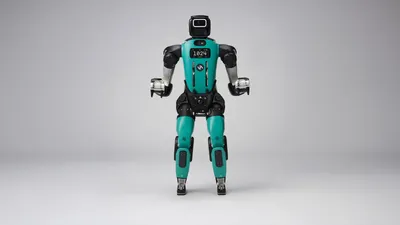
Agility Debuts Humanoid Robot Built to Work Safely With Humans
The new robot model is specifically engineered to operate safely in shared workspaces with human employees. This milestone removes a major physical barrier to deploying humanoid robots directly on factory and warehouse floors.

Faraday Future Launches 5 New Robots: $9,990 To $137,900 For An Industrial Humanoid
CEO YT Jia predicts humanoid robots will handle half of all automated tasks, prompting the launch of five distinct robotic forms. The sub-$10k entry price signals a rapid push toward affordable factory automation.
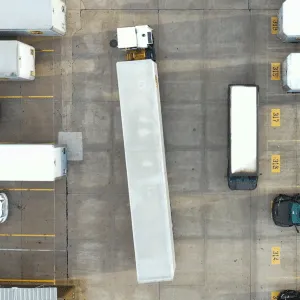
Massive 200-Site Deal Signals Rapid Automation of Logistics Jobs
A major logistics provider is expanding YardFlow's automated shipment processing system from 26 facilities to over 200 locations, signaling a massive shift away from manual yard management.
Last scored March 14, 2026 · Based on BLS employment data and O*NET task analysis