Phlebotomists
Draw blood for tests, transfusions, donations, or research. May explain the procedure to patients and assist in the recovery of patients with adverse reactions.
How AI Impacts Each Task
24 tasks analyzed
Match laboratory requisition forms to specimen tubes.
Dispose of blood or other biohazard fluids or tissue, in accordance with applicable laws, standards, or policies.
Draw blood from veins by vacuum tube, syringe, or butterfly venipuncture methods.
Dispose of contaminated sharps, in accordance with applicable laws, standards, and policies.
Draw blood from arteries, using arterial collection techniques.
Draw blood from capillaries by dermal puncture, such as heel or finger stick methods.
Enter patient, specimen, insurance, or billing information into computer.
Organize or clean blood-drawing trays, ensuring that all instruments are sterile and all needles, syringes, or related items are of first-time use.
Collect fluid or tissue samples, using appropriate collection procedures.
Collect specimens at specific time intervals for tests, such as those assessing therapeutic drug levels.
Determine donor suitability, according to interview results, vital signs, and medical history.
Transport specimens or fluid samples from collection sites to laboratories.
Process blood or other fluid samples for further analysis by other medical professionals.
Monitor blood or plasma donors during and after procedures to ensure health, safety, and comfort.
Provide sample analysis results to physicians to assist diagnosis.
Document route of specimens from collection to laboratory analysis and diagnosis.
Explain fluid or tissue collection procedures to patients.
Conduct standards tests, such as blood alcohol, blood culture, oral glucose tolerance, glucose screening, blood smears, or peak and trough drug levels tests.
Train other medical personnel in phlebotomy or laboratory techniques.
Perform saline flushes or dispense anticoagulant drugs, such as Heparin, through intravenous (IV) lines, in accordance with licensing restrictions and under the direction of a medical doctor.
Conduct hemoglobin tests to ensure donor iron levels are normal.
Calibrate or maintain machines, such as those used for plasma collection.
Administer subcutaneous or intramuscular injects, in accordance with licensing restrictions.
Serve refreshments to donors to ensure absorption of sugar into their systems.
| Task | AI Capability | Risk | Time % | |
|---|---|---|---|---|
| Match laboratory requisition forms to specimen tubes. | 92Estimated | 86.0% | 4% | |
| Dispose of blood or other biohazard fluids or tissue, in accordance with applicable laws, standards, or policies. | 25Estimated | 43.0% | 4% | |
| Draw blood from veins by vacuum tube, syringe, or butterfly venipuncture methods. | 10Estimated | 13.0% | 20% | |
| Dispose of contaminated sharps, in accordance with applicable laws, standards, and policies. | 25Estimated | 43.0% | 4% | |
| Draw blood from arteries, using arterial collection techniques. | 5Estimated | 11.0% | 2% | |
| Draw blood from capillaries by dermal puncture, such as heel or finger stick methods. | 10Estimated | 13.0% | 4% | |
| Enter patient, specimen, insurance, or billing information into computer. | 21.15Observed | 57.7% | 10% | |
| Organize or clean blood-drawing trays, ensuring that all instruments are sterile and all needles, syringes, or related items are of first-time use. | 30Estimated | 45.0% | 4% | |
| Collect fluid or tissue samples, using appropriate collection procedures. | 10Estimated | 13.0% | 3% | |
| Collect specimens at specific time intervals for tests, such as those assessing therapeutic drug levels. | 10Estimated | 13.0% | 4% | |
| Determine donor suitability, according to interview results, vital signs, and medical history. | 87Estimated | 84.0% | 3% | |
| Transport specimens or fluid samples from collection sites to laboratories. | 70Estimated | 61.0% | 4% | |
| Process blood or other fluid samples for further analysis by other medical professionals. | 80Estimated | 65.0% | 4% | |
| Monitor blood or plasma donors during and after procedures to ensure health, safety, and comfort. | 15Estimated | 21.0% | 4% | |
| Provide sample analysis results to physicians to assist diagnosis. | 92Estimated | 86.0% | 2% | |
| Document route of specimens from collection to laboratory analysis and diagnosis. | 97Estimated | 88.0% | 4% | |
| Explain fluid or tissue collection procedures to patients. | 40Estimated | 31.0% | 4% | |
| Conduct standards tests, such as blood alcohol, blood culture, oral glucose tolerance, glucose screening, blood smears, or peak and trough drug levels tests. | 80Estimated | 65.0% | 4% | |
| Train other medical personnel in phlebotomy or laboratory techniques. | 30Estimated | 27.0% | 2% | |
| Perform saline flushes or dispense anticoagulant drugs, such as Heparin, through intravenous (IV) lines, in accordance with licensing restrictions and under the direction of a medical doctor. | 5Estimated | 11.0% | 2% | |
| Conduct hemoglobin tests to ensure donor iron levels are normal. | 60Estimated | 57.0% | 2% | |
| Calibrate or maintain machines, such as those used for plasma collection. | 45Estimated | 51.0% | 2% | |
| Administer subcutaneous or intramuscular injects, in accordance with licensing restrictions. | 5Estimated | 11.0% | 2% | |
| Serve refreshments to donors to ensure absorption of sugar into their systems. | 35Estimated | 47.0% | 2% |
Skill Impact Analysis
AI-Vulnerable Skills (6)
High reliance on Information Ordering is a risk area. Consider developing complementary AI-resistant skills to maintain value.
High reliance on Reading Comprehension is a risk area. Consider developing complementary AI-resistant skills to maintain value.
Mathematics is AI-vulnerable but has moderate importance in this role. AI tools may handle this; focus on higher-value skills.
Mathematics is AI-vulnerable but has moderate importance in this role. AI tools may handle this; focus on higher-value skills.
Memorization is AI-vulnerable but has moderate importance in this role. AI tools may handle this; focus on higher-value skills.
Programming is AI-vulnerable but has moderate importance in this role. AI tools may handle this; focus on higher-value skills.
AI-Resistant Skills (11)
Adaptability/Flexibility is AI-resistant — strengthening this skill provides durable career protection.
Service Orientation is AI-resistant — strengthening this skill provides durable career protection.
Social Perceptiveness is AI-resistant — strengthening this skill provides durable career protection.
Leadership is AI-resistant — strengthening this skill provides durable career protection.
Instructing is AI-resistant — strengthening this skill provides durable career protection.
Coordination is AI-resistant — strengthening this skill provides durable career protection.
Manual Dexterity is AI-resistant — strengthening this skill provides durable career protection.
Complex Problem Solving is AI-resistant — strengthening this skill provides durable career protection.
Recommended Courses
Courses matched to Phlebotomists skill gaps, ranked by relevance to your displacement risk profile.
Get personalized recommendations. Answer a few questions about your experience and skills to get course suggestions tailored specifically to you.
Upskill to Reduce Risk
Courses addressing your most AI-vulnerable skills
SQL Fundamentals Skill Track
by DataCamp
Estimated Impact
AI-Augmentation Tools
Learn to work alongside AI and boost your productivity
Creative Writing Specialization
by Wesleyan University
Estimated Impact
Strengthen Your Edge
Double down on skills AI can't replicate
Inspired Leadership Through Emotional Intelligence
by Case Western Reserve University
Estimated Impact
We may earn a commission when you enroll through our links, at no extra cost to you. This helps fund the Takeover Tracker.
Risk reduction and salary impact are estimates based on skill gap analysis, course relevance, and labor market data. Actual results vary by individual circumstance.
Alternate Career Paths
See all transitionsAdvertising and Promotions Managers
31%Higher risk than 43% of other occupations
Chief Executives
26%Higher risk than 23% of other occupations
Computer and Information Systems Managers
31%Higher risk than 45% of other occupations
General and Operations Managers
28%Higher risk than 29% of other occupations
Marketing Managers
30%Higher risk than 38% of other occupations
Sales Managers
25%Higher risk than 20% of other occupations
Score History
Risk score over 2 scoring runs
overall change
Education & Training
Percentage of workers at each education and training level
Education Level
Prior Experience Needed
Work experience required to enter this job
Training Provided After Hiring
How long it typically takes to learn on the job
Related News
Recent articles about AI affecting this occupation
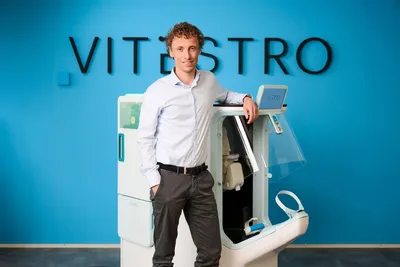
A Robot That Can Draw Your Blood Is Coming To The U.S.
Last scored March 14, 2026 · Based on BLS employment data and O*NET task analysis