Food Cooking Machine Operators and Tenders
Operate or tend cooking equipment, such as steam cooking vats, deep fry cookers, pressure cookers, kettles, and boilers, to prepare food products.
How AI Impacts Each Task
17 tasks analyzed
Tend or operate and control equipment, such as kettles, cookers, vats and tanks, and boilers, to cook ingredients or prepare products for further processing.
Set temperature, pressure, and time controls, and start conveyers, machines, or pumps.
Clean, wash, and sterilize equipment and cooking area, using water hoses, cleaning or sterilizing solutions, or rinses.
Observe gauges, dials, and product characteristics, and adjust controls to maintain appropriate temperature, pressure, and flow of ingredients.
Listen for malfunction alarms, and shut down equipment and notify supervisors when necessary.
Pour, dump, or load prescribed quantities of ingredients or products into cooking equipment, manually or using a hoist.
Remove cooked material or products from equipment.
Turn valves or start pumps to add ingredients or drain products from equipment and to transfer products for storage, cooling, or further processing.
Measure or weigh ingredients, using scales or measuring containers.
Read work orders, recipes, or formulas to determine cooking times and temperatures, and ingredient specifications.
Collect and examine product samples during production to test them for quality, color, content, consistency, viscosity, acidity, or specific gravity.
Place products on conveyors or carts, and monitor product flow.
Activate agitators and paddles to mix or stir ingredients, stopping machines when ingredients are thoroughly mixed.
Notify or signal other workers to operate equipment or when processing is complete.
Record production and test data, such as processing steps, temperature and steam readings, cooking time, batches processed, and test results.
Operate auxiliary machines and equipment, such as grinders, canners, and molding presses, to prepare or further process products.
Admit required amounts of water, steam, cooking oils, or compressed air into equipment, such as by opening water valves to cool mixtures to the desired consistency.
| Task | AI Capability | Risk | Time % | |
|---|---|---|---|---|
| Tend or operate and control equipment, such as kettles, cookers, vats and tanks, and boilers, to cook ingredients or prepare products for further processing. | 35Estimated | 47.0% | 15% | |
| Set temperature, pressure, and time controls, and start conveyers, machines, or pumps. | 70Estimated | 61.0% | 5% | |
| Clean, wash, and sterilize equipment and cooking area, using water hoses, cleaning or sterilizing solutions, or rinses. | 30Estimated | 45.0% | 10% | |
| Observe gauges, dials, and product characteristics, and adjust controls to maintain appropriate temperature, pressure, and flow of ingredients. | 87Estimated | 84.0% | 10% | |
| Listen for malfunction alarms, and shut down equipment and notify supervisors when necessary. | 92Estimated | 86.0% | 2% | |
| Pour, dump, or load prescribed quantities of ingredients or products into cooking equipment, manually or using a hoist. | 40Estimated | 49.0% | 10% | |
| Remove cooked material or products from equipment. | 40Estimated | 49.0% | 8% | |
| Turn valves or start pumps to add ingredients or drain products from equipment and to transfer products for storage, cooling, or further processing. | 65Estimated | 59.0% | 5% | |
| Measure or weigh ingredients, using scales or measuring containers. | 60Estimated | 57.0% | 5% | |
| Read work orders, recipes, or formulas to determine cooking times and temperatures, and ingredient specifications. | 97Estimated | 88.0% | 5% | |
| Collect and examine product samples during production to test them for quality, color, content, consistency, viscosity, acidity, or specific gravity. | 62Estimated | 74.0% | 5% | |
| Place products on conveyors or carts, and monitor product flow. | 45Estimated | 51.0% | 5% | |
| Activate agitators and paddles to mix or stir ingredients, stopping machines when ingredients are thoroughly mixed. | 70Estimated | 61.0% | 3% | |
| Notify or signal other workers to operate equipment or when processing is complete. | 92Estimated | 86.0% | 2% | |
| Record production and test data, such as processing steps, temperature and steam readings, cooking time, batches processed, and test results. | 97Estimated | 88.0% | 5% | |
| Operate auxiliary machines and equipment, such as grinders, canners, and molding presses, to prepare or further process products. | 40Estimated | 49.0% | 2% | |
| Admit required amounts of water, steam, cooking oils, or compressed air into equipment, such as by opening water valves to cool mixtures to the desired consistency. | 70Estimated | 61.0% | 3% |
Skill Impact Analysis
AI-Vulnerable Skills (6)
High reliance on Information Ordering is a risk area. Consider developing complementary AI-resistant skills to maintain value.
High reliance on Reading Comprehension is a risk area. Consider developing complementary AI-resistant skills to maintain value.
Mathematics is AI-vulnerable but has moderate importance in this role. AI tools may handle this; focus on higher-value skills.
Memorization is AI-vulnerable but has moderate importance in this role. AI tools may handle this; focus on higher-value skills.
Mathematics is AI-vulnerable but has moderate importance in this role. AI tools may handle this; focus on higher-value skills.
Programming is AI-vulnerable but has moderate importance in this role. AI tools may handle this; focus on higher-value skills.
AI-Resistant Skills (11)
Leadership is AI-resistant — strengthening this skill provides durable career protection.
Adaptability/Flexibility is AI-resistant — strengthening this skill provides durable career protection.
Manual Dexterity is AI-resistant — strengthening this skill provides durable career protection.
Coordination is AI-resistant — strengthening this skill provides durable career protection.
Social Perceptiveness is AI-resistant — strengthening this skill provides durable career protection.
Complex Problem Solving is AI-resistant — strengthening this skill provides durable career protection.
Service Orientation is AI-resistant — strengthening this skill provides durable career protection.
Equipment Maintenance is AI-resistant — strengthening this skill provides durable career protection.
Recommended Courses
Courses matched to Food Cooking Machine Operators and Tenders skill gaps, ranked by relevance to your displacement risk profile.
Get personalized recommendations. Answer a few questions about your experience and skills to get course suggestions tailored specifically to you.
Upskill to Reduce Risk
Courses addressing your most AI-vulnerable skills
SQL Fundamentals Skill Track
by DataCamp
Estimated Impact
AI-Augmentation Tools
Learn to work alongside AI and boost your productivity
Cybersecurity Fundamentals Path
by Pluralsight
Estimated Impact
Strengthen Your Edge
Double down on skills AI can't replicate
Leading People and Teams Specialization
by University of Michigan
Estimated Impact
We may earn a commission when you enroll through our links, at no extra cost to you. This helps fund the Takeover Tracker.
Risk reduction and salary impact are estimates based on skill gap analysis, course relevance, and labor market data. Actual results vary by individual circumstance.
Alternate Career Paths
See all transitionsAdhesive Bonding Machine Operators and Tenders
46%Median salary: $45,210
Higher risk than 93% of other occupations
Advertising and Promotions Managers
31%Higher risk than 43% of other occupations
Chief Executives
26%Higher risk than 23% of other occupations
Coating, Painting, and Spraying Machine Setters, Operators, and Tenders
45%Higher risk than 92% of other occupations
Computer and Information Systems Managers
31%Higher risk than 45% of other occupations
Cutting and Slicing Machine Setters, Operators, and Tenders
40%Median salary: $45,700
Higher risk than 81% of other occupations
Extruding and Forming Machine Setters, Operators, and Tenders, Synthetic and Glass Fibers
39%Median salary: $44,980
Higher risk than 79% of other occupations
Food and Tobacco Roasting, Baking, and Drying Machine Operators and Tenders
43%Median salary: $42,730
Higher risk than 87% of other occupations
Food Batchmakers
45%Median salary: $40,790
Higher risk than 92% of other occupations
General and Operations Managers
28%Higher risk than 29% of other occupations
Marketing Managers
30%Higher risk than 38% of other occupations
Packaging and Filling Machine Operators and Tenders
47%Median salary: $40,900
Higher risk than 95% of other occupations
Paper Goods Machine Setters, Operators, and Tenders
38%Median salary: $49,390
Higher risk than 74% of other occupations
Print Binding and Finishing Workers
37%Median salary: $39,820
Higher risk than 71% of other occupations
Sales Managers
25%Higher risk than 20% of other occupations
Solderers and Brazers
26%Median salary: $51,000
Higher risk than 23% of other occupations
Score History
Risk score over 2 scoring runs
overall change
Education & Training
Percentage of workers at each education and training level
Education Level
Prior Experience Needed
Work experience required to enter this job
Training Provided After Hiring
How long it typically takes to learn on the job
Related News
Recent articles about AI affecting this occupation
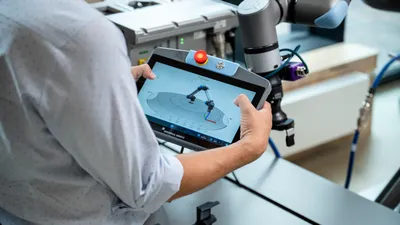
Universal Robots launches new AI platform to accelerate factory automation
The robotics manufacturer debuted its next-generation hardware designed specifically to integrate with artificial intelligence. This new platform will make it easier for manufacturers to deploy autonomous robots on factory floors.
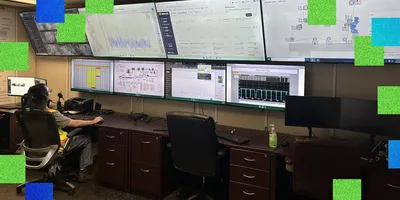
Domtar uses AI sensors to shift maintenance workers from reactive to proactive
Paper manufacturer Domtar deployed Waites' AI-assisted sensors to monitor machine reliability, fundamentally changing the daily workflows of its maintenance staff by reducing unexpected equipment downtime.

PayPal cuts 164 jobs in Ireland amid global fintech restructuring
The payment processor is eliminating nearly 12% of its Irish workforce between October and November. This move is part of a broader global transformation program, reflecting ongoing workforce reductions across the fintech sector.
Last scored March 14, 2026 · Based on BLS employment data and O*NET task analysis