Petroleum Pump System Operators, Refinery Operators, and Gaugers
Operate or control petroleum refining or processing units. May specialize in controlling manifold and pumping systems, gauging or testing oil in storage tanks, or regulating the flow of oil into pipelines.
How AI Impacts Each Task
24 tasks analyzed
Monitor process indicators, instruments, gauges, and meters to detect and report any possible problems.
Start pumps and open valves or use automated equipment to regulate the flow of oil in pipelines and into and out of tanks.
Control or operate manifold and pumping systems to circulate liquids through a petroleum refinery.
Operate control panels to coordinate and regulate process variables such as temperature and pressure, and to direct product flow rate, according to process schedules.
Signal other workers by telephone or radio to operate pumps, open and close valves, and check temperatures.
Verify that incoming and outgoing products are moving through the correct meters, and that meters are working properly.
Read automatic gauges at specified intervals to determine the flow rate of oil into or from tanks, and the amount of oil in tanks.
Operate auxiliary equipment and control multiple processing units during distilling or treating operations, moving controls that regulate valves, pumps, compressors, and auxiliary equipment.
Plan movement of products through lines to processing, storage, and shipping units, using knowledge of system interconnections and capacities.
Read and analyze specifications, schedules, logs, test results, and laboratory recommendations to determine how to set equipment controls to produce the required qualities and quantities of products.
Record and compile operating data, instrument readings, documentation, and results of laboratory analyses.
Coordinate shutdowns and major projects.
Synchronize activities with other pumphouses to ensure a continuous flow of products and a minimum of contamination between products.
Perform tests to check the qualities and grades of products, such as assessing levels of bottom sediment, water, and foreign materials in oil samples, using centrifugal testers.
Prepare calculations for receipts and deliveries of oil and oil products.
Patrol units to monitor the amount of oil in storage tanks, and to verify that activities and operations are safe, efficient, and in compliance with regulations.
Maintain and repair equipment, or report malfunctioning equipment to supervisors so that repairs can be scheduled.
Collect product samples by turning bleeder valves, or by lowering containers into tanks to obtain oil samples.
Lower thermometers into tanks to obtain temperature readings.
Inspect pipelines, tightening connections and lubricating valves as necessary.
Clean interiors of processing units by circulating chemicals and solvents within units.
Clamp seals around valves to secure tanks.
Calculate test result values, using standard formulas.
Conduct general housekeeping of units, including wiping up oil spills and performing general cleaning duties.
| Task | AI Capability | Risk | Time % | |
|---|---|---|---|---|
| Monitor process indicators, instruments, gauges, and meters to detect and report any possible problems. | 92Estimated | 86.0% | 10% | |
| Start pumps and open valves or use automated equipment to regulate the flow of oil in pipelines and into and out of tanks. | 45Estimated | 51.0% | 8% | |
| Control or operate manifold and pumping systems to circulate liquids through a petroleum refinery. | 50Estimated | 53.0% | 8% | |
| Operate control panels to coordinate and regulate process variables such as temperature and pressure, and to direct product flow rate, according to process schedules. | 90Estimated | 85.2% | 8% | |
| Signal other workers by telephone or radio to operate pumps, open and close valves, and check temperatures. | 70Estimated | 77.2% | 3% | |
| Verify that incoming and outgoing products are moving through the correct meters, and that meters are working properly. | 77Estimated | 80.0% | 4% | |
| Read automatic gauges at specified intervals to determine the flow rate of oil into or from tanks, and the amount of oil in tanks. | 97Estimated | 88.0% | 4% | |
| Operate auxiliary equipment and control multiple processing units during distilling or treating operations, moving controls that regulate valves, pumps, compressors, and auxiliary equipment. | 50Estimated | 53.0% | 6% | |
| Plan movement of products through lines to processing, storage, and shipping units, using knowledge of system interconnections and capacities. | 70Estimated | 55.0% | 4% | |
| Read and analyze specifications, schedules, logs, test results, and laboratory recommendations to determine how to set equipment controls to produce the required qualities and quantities of products. | 65Estimated | 53.0% | 4% | |
| Record and compile operating data, instrument readings, documentation, and results of laboratory analyses. | 36.62Observed | 63.9% | 4% | |
| Coordinate shutdowns and major projects. | 30Estimated | 39.0% | 2% | |
| Synchronize activities with other pumphouses to ensure a continuous flow of products and a minimum of contamination between products. | 60Estimated | 51.0% | 3% | |
| Perform tests to check the qualities and grades of products, such as assessing levels of bottom sediment, water, and foreign materials in oil samples, using centrifugal testers. | 40Estimated | 49.0% | 3% | |
| Prepare calculations for receipts and deliveries of oil and oil products. | 97Estimated | 88.0% | 3% | |
| Patrol units to monitor the amount of oil in storage tanks, and to verify that activities and operations are safe, efficient, and in compliance with regulations. | 40Estimated | 49.0% | 5% | |
| Maintain and repair equipment, or report malfunctioning equipment to supervisors so that repairs can be scheduled. | 10Estimated | 13.0% | 4% | |
| Collect product samples by turning bleeder valves, or by lowering containers into tanks to obtain oil samples. | 30Estimated | 45.0% | 3% | |
| Lower thermometers into tanks to obtain temperature readings. | 30Estimated | 45.0% | 2% | |
| Inspect pipelines, tightening connections and lubricating valves as necessary. | 30Estimated | 45.0% | 3% | |
| Clean interiors of processing units by circulating chemicals and solvents within units. | 40Estimated | 49.0% | 2% | |
| Clamp seals around valves to secure tanks. | 30Estimated | 45.0% | 2% | |
| Calculate test result values, using standard formulas. | 40.62Observed | 65.5% | 2% | |
| Conduct general housekeeping of units, including wiping up oil spills and performing general cleaning duties. | 30Estimated | 45.0% | 2% |
Skill Impact Analysis
AI-Vulnerable Skills (6)
High reliance on Information Ordering is a risk area. Consider developing complementary AI-resistant skills to maintain value.
High reliance on Reading Comprehension is a risk area. Consider developing complementary AI-resistant skills to maintain value.
High reliance on Mathematics is a risk area. Consider developing complementary AI-resistant skills to maintain value.
Mathematics is AI-vulnerable but has moderate importance in this role. AI tools may handle this; focus on higher-value skills.
Memorization is AI-vulnerable but has moderate importance in this role. AI tools may handle this; focus on higher-value skills.
Programming is AI-vulnerable but has moderate importance in this role. AI tools may handle this; focus on higher-value skills.
AI-Resistant Skills (11)
Adaptability/Flexibility is AI-resistant — strengthening this skill provides durable career protection.
Complex Problem Solving is AI-resistant — strengthening this skill provides durable career protection.
Leadership is AI-resistant — strengthening this skill provides durable career protection.
Manual Dexterity is AI-resistant — strengthening this skill provides durable career protection.
Coordination is AI-resistant — strengthening this skill provides durable career protection.
Social Perceptiveness is AI-resistant — strengthening this skill provides durable career protection.
Equipment Maintenance is AI-resistant — strengthening this skill provides durable career protection.
Instructing is AI-resistant — strengthening this skill provides durable career protection.
Recommended Courses
Courses matched to Petroleum Pump System Operators, Refinery Operators, and Gaugers skill gaps, ranked by relevance to your displacement risk profile.
Get personalized recommendations. Answer a few questions about your experience and skills to get course suggestions tailored specifically to you.
Upskill to Reduce Risk
Courses addressing your most AI-vulnerable skills
SQL Fundamentals Skill Track
by DataCamp
Estimated Impact
AI-Augmentation Tools
Learn to work alongside AI and boost your productivity
Cybersecurity Fundamentals Path
by Pluralsight
Estimated Impact
Strengthen Your Edge
Double down on skills AI can't replicate
Inspired Leadership Through Emotional Intelligence
by Case Western Reserve University
Estimated Impact
We may earn a commission when you enroll through our links, at no extra cost to you. This helps fund the Takeover Tracker.
Risk reduction and salary impact are estimates based on skill gap analysis, course relevance, and labor market data. Actual results vary by individual circumstance.
Alternate Career Paths
See all transitionsChemical Equipment Operators and Tenders
43%Median salary: $57,090
Higher risk than 88% of other occupations
Chemical Plant and System Operators
43%Median salary: $73,540
Higher risk than 86% of other occupations
Chief Executives
26%Higher risk than 23% of other occupations
Computer and Information Systems Managers
31%Higher risk than 45% of other occupations
Cooling and Freezing Equipment Operators and Tenders
43%Median salary: $40,160
Higher risk than 87% of other occupations
Financial Managers
Gas Compressor and Gas Pumping Station Operators
43%Median salary: $71,510
Higher risk than 87% of other occupations
Gas Plant Operators
47%Median salary: $83,400
Higher risk than 94% of other occupations
General and Operations Managers
28%Higher risk than 29% of other occupations
Marketing Managers
30%Higher risk than 38% of other occupations
Non-Destructive Testing Specialists
37%Median salary: $77,390
Higher risk than 71% of other occupations
Power Plant Operators
46%Median salary: $99,670
Higher risk than 94% of other occupations
Pump Operators, Except Wellhead Pumpers
44%Median salary: $60,020
Higher risk than 89% of other occupations
Sales Managers
25%Higher risk than 20% of other occupations
Separating, Filtering, Clarifying, Precipitating, and Still Machine Setters, Operators, and Tenders
39%Median salary: $49,500
Higher risk than 78% of other occupations
Tank Car, Truck, and Ship Loaders
39%Median salary: $58,070
Higher risk than 79% of other occupations
Score History
Risk score over 2 scoring runs
overall change
Education & Training
Percentage of workers at each education and training level
Education Level
Prior Experience Needed
Work experience required to enter this job
Training Provided After Hiring
How long it typically takes to learn on the job
Related News
Recent articles about AI affecting this occupation
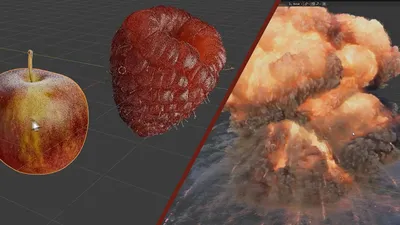
New Blender Update Automates Complex 3D Workflows for Artists
The integration of native Gaussian splatting drastically reduces the manual labor required to render photorealistic 3D environments. VFX professionals will need to adapt as tasks that once took days can now be generated instantly.
Last scored March 14, 2026 · Based on BLS employment data and O*NET task analysis