Pressers, Textile, Garment, and Related Materials
Press or shape articles by hand or machine.
How AI Impacts Each Task
28 tasks analyzed
Hang, fold, package, and tag finished articles for delivery to customers.
Operate steam, hydraulic, or other pressing machines to remove wrinkles from garments and flatwork items, or to shape, form, or patch articles.
Straighten, smooth, or shape materials to prepare them for pressing.
Remove finished pieces from pressing machines and hang or stack them for cooling, or forward them for additional processing.
Finish pleated garments, determining sizes of pleats from evidence of old pleats or from work orders, using machine presses or hand irons.
Lower irons, rams, or pressing heads of machines into position over material to be pressed.
Identify and treat spots on garments.
Shrink, stretch, or block articles by hand to conform to original measurements, using forms, blocks, and steam.
Finish fancy garments such as evening gowns and costumes, using hand irons to produce high quality finishes.
Push and pull irons over surfaces of articles to smooth or shape them.
Finish pants, jackets, shirts, skirts and other dry-cleaned and laundered articles, using hand irons.
Slide material back and forth over heated, metal, ball-shaped forms to smooth and press portions of garments that cannot be satisfactorily pressed with flat pressers or hand irons.
Select appropriate pressing machines, based on garment properties such as heat tolerance.
Use covering cloths to prevent equipment from damaging delicate fabrics.
Spray water over fabric to soften fibers when not using steam irons.
Position materials such as cloth garments, felt, or straw on tables, dies, or feeding mechanisms of pressing machines, or on ironing boards or work tables.
Examine and measure finished articles to verify conformance to standards, using measuring devices such as tape measures and micrometers.
Finish velvet garments by steaming them on bucks of hot-head presses or steam tables, and brushing pile (nap) with handbrushes.
Moisten materials to soften and smooth them.
Measure fabric to specifications, cut uneven edges with shears, fold material, and press it with an iron to form a heading.
Clean and maintain pressing machines, using cleaning solutions and lubricants.
Insert heated metal forms into ties and touch up rough places with hand irons.
Press ties on small pressing machines.
Block or shape knitted garments after cleaning.
Activate and adjust machine controls to regulate temperature and pressure of rollers, ironing shoes, or plates, according to specifications.
Brush materials made of suede, leather, or felt to remove spots or to raise and smooth naps.
Sew ends of new material to leaders or to ends of material in pressing machines, using sewing machines.
Select, install, and adjust machine components, including pressing forms, rollers, and guides, using hoists and hand tools.
| Task | AI Capability | Risk | Time % | |
|---|---|---|---|---|
| Hang, fold, package, and tag finished articles for delivery to customers. | 20Estimated | 41.0% | 6% | |
| Operate steam, hydraulic, or other pressing machines to remove wrinkles from garments and flatwork items, or to shape, form, or patch articles. | 25Estimated | 43.0% | 12% | |
| Straighten, smooth, or shape materials to prepare them for pressing. | 15Estimated | 39.0% | 6% | |
| Remove finished pieces from pressing machines and hang or stack them for cooling, or forward them for additional processing. | 25Estimated | 43.0% | 6% | |
| Finish pleated garments, determining sizes of pleats from evidence of old pleats or from work orders, using machine presses or hand irons. | 10Estimated | 37.0% | 4% | |
| Lower irons, rams, or pressing heads of machines into position over material to be pressed. | 30Estimated | 45.0% | 6% | |
| Identify and treat spots on garments. | 20Estimated | 17.0% | 3% | |
| Shrink, stretch, or block articles by hand to conform to original measurements, using forms, blocks, and steam. | 10Estimated | 13.0% | 3% | |
| Finish fancy garments such as evening gowns and costumes, using hand irons to produce high quality finishes. | 10Estimated | 13.0% | 4% | |
| Push and pull irons over surfaces of articles to smooth or shape them. | 15Estimated | 39.0% | 6% | |
| Finish pants, jackets, shirts, skirts and other dry-cleaned and laundered articles, using hand irons. | 15Estimated | 39.0% | 6% | |
| Slide material back and forth over heated, metal, ball-shaped forms to smooth and press portions of garments that cannot be satisfactorily pressed with flat pressers or hand irons. | 15Estimated | 39.0% | 3% | |
| Select appropriate pressing machines, based on garment properties such as heat tolerance. | 87Estimated | 84.0% | 3% | |
| Use covering cloths to prevent equipment from damaging delicate fabrics. | 20Estimated | 41.0% | 2% | |
| Spray water over fabric to soften fibers when not using steam irons. | 30Estimated | 45.0% | 2% | |
| Position materials such as cloth garments, felt, or straw on tables, dies, or feeding mechanisms of pressing machines, or on ironing boards or work tables. | 20Estimated | 41.0% | 6% | |
| Examine and measure finished articles to verify conformance to standards, using measuring devices such as tape measures and micrometers. | 72Estimated | 78.0% | 2% | |
| Finish velvet garments by steaming them on bucks of hot-head presses or steam tables, and brushing pile (nap) with handbrushes. | 15Estimated | 39.0% | 2% | |
| Moisten materials to soften and smooth them. | 30Estimated | 45.0% | 2% | |
| Measure fabric to specifications, cut uneven edges with shears, fold material, and press it with an iron to form a heading. | 15Estimated | 39.0% | 2% | |
| Clean and maintain pressing machines, using cleaning solutions and lubricants. | 20Estimated | 41.0% | 2% | |
| Insert heated metal forms into ties and touch up rough places with hand irons. | 15Estimated | 39.0% | 2% | |
| Press ties on small pressing machines. | 25Estimated | 43.0% | 2% | |
| Block or shape knitted garments after cleaning. | 15Estimated | 39.0% | 2% | |
| Activate and adjust machine controls to regulate temperature and pressure of rollers, ironing shoes, or plates, according to specifications. | 70Estimated | 61.0% | 3% | |
| Brush materials made of suede, leather, or felt to remove spots or to raise and smooth naps. | 15Estimated | 39.0% | 2% | |
| Sew ends of new material to leaders or to ends of material in pressing machines, using sewing machines. | 20Estimated | 41.0% | 2% | |
| Select, install, and adjust machine components, including pressing forms, rollers, and guides, using hoists and hand tools. | 20Estimated | 41.0% | 2% |
Skill Impact Analysis
AI-Vulnerable Skills (6)
Information Ordering is AI-vulnerable but has moderate importance in this role. AI tools may handle this; focus on higher-value skills.
Mathematics is AI-vulnerable but has moderate importance in this role. AI tools may handle this; focus on higher-value skills.
Reading Comprehension is AI-vulnerable but has moderate importance in this role. AI tools may handle this; focus on higher-value skills.
Memorization is AI-vulnerable but has moderate importance in this role. AI tools may handle this; focus on higher-value skills.
Mathematics is AI-vulnerable but has moderate importance in this role. AI tools may handle this; focus on higher-value skills.
Programming is AI-vulnerable but has moderate importance in this role. AI tools may handle this; focus on higher-value skills.
AI-Resistant Skills (11)
Adaptability/Flexibility is AI-resistant — strengthening this skill provides durable career protection.
Manual Dexterity is AI-resistant — strengthening this skill provides durable career protection.
Leadership is AI-resistant — strengthening this skill provides durable career protection.
Complex Problem Solving is AI-resistant — strengthening this skill provides durable career protection.
Equipment Maintenance is AI-resistant — strengthening this skill provides durable career protection.
Social Perceptiveness is AI-resistant — strengthening this skill provides durable career protection.
Coordination is AI-resistant — strengthening this skill provides durable career protection.
Service Orientation is AI-resistant — strengthening this skill provides durable career protection.
Recommended Courses
Courses matched to Pressers, Textile, Garment, and Related Materials skill gaps, ranked by relevance to your displacement risk profile.
Get personalized recommendations. Answer a few questions about your experience and skills to get course suggestions tailored specifically to you.
Upskill to Reduce Risk
Courses addressing your most AI-vulnerable skills
SQL Fundamentals Skill Track
by DataCamp
Estimated Impact
AI-Augmentation Tools
Learn to work alongside AI and boost your productivity
Google UX Design Professional Certificate
by Google
Estimated Impact
Strengthen Your Edge
Double down on skills AI can't replicate
Leading People and Teams Specialization
by University of Michigan
Estimated Impact
We may earn a commission when you enroll through our links, at no extra cost to you. This helps fund the Takeover Tracker.
Risk reduction and salary impact are estimates based on skill gap analysis, course relevance, and labor market data. Actual results vary by individual circumstance.
Alternate Career Paths
See all transitionsAdvertising and Promotions Managers
31%Higher risk than 43% of other occupations
Chief Executives
26%Higher risk than 23% of other occupations
Computer and Information Systems Managers
31%Higher risk than 45% of other occupations
Dishwashers
37%Median salary: $33,670
Higher risk than 74% of other occupations
Food Preparation Workers
37%Median salary: $34,220
Higher risk than 71% of other occupations
General and Operations Managers
28%Higher risk than 29% of other occupations
Graders and Sorters, Agricultural Products
45%Median salary: $35,430
Higher risk than 91% of other occupations
Helpers--Production Workers
40%Median salary: $38,220
Higher risk than 79% of other occupations
Janitors and Cleaners, Except Maids and Housekeeping Cleaners
38%Median salary: $35,930
Higher risk than 75% of other occupations
Laundry and Dry-Cleaning Workers
31%Median salary: $33,800
Higher risk than 44% of other occupations
Maids and Housekeeping Cleaners
38%Median salary: $34,660
Higher risk than 76% of other occupations
Marketing Managers
30%Higher risk than 38% of other occupations
Meat, Poultry, and Fish Cutters and Trimmers
38%Median salary: $37,700
Higher risk than 74% of other occupations
Sales Managers
25%Higher risk than 20% of other occupations
Sewing Machine Operators
43%Median salary: $36,000
Higher risk than 89% of other occupations
Slaughterers and Meat Packers
39%Median salary: $39,790
Higher risk than 78% of other occupations
Score History
Risk score over 2 scoring runs
overall change
Education & Training
Percentage of workers at each education and training level
Education Level
Prior Experience Needed
Work experience required to enter this job
Training Provided After Hiring
How long it typically takes to learn on the job
Related News
Recent articles about AI affecting this occupation
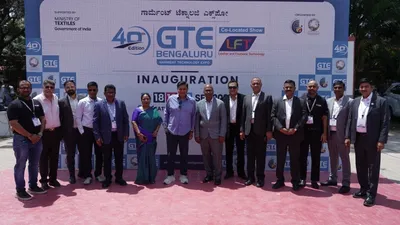
Bengaluru Expo Highlights Rapid Automation in Garment Manufacturing
Industry leaders in India are accelerating the deployment of smart, automated manufacturing technologies in the textile sector. The shift threatens traditional factory jobs while creating niche roles in managing automated production lines.
Last scored March 14, 2026 · Based on BLS employment data and O*NET task analysis