Shoe Machine Operators and Tenders
Operate or tend a variety of machines to join, decorate, reinforce, or finish shoes and shoe parts.
How AI Impacts Each Task
20 tasks analyzed
Study work orders or shoe part tags to obtain information about workloads, specifications, and the types of materials to be used.
Remove and examine shoes, shoe parts, and designs to verify conformance to specifications such as proper embedding of stitches in channels.
Turn screws to regulate size of staples.
Align parts to be stitched, following seams, edges, or markings, before positioning them under needles.
Switch on machines, lower pressure feet or rollers to secure parts, and start machine stitching, using hand, foot, or knee controls.
Turn setscrews on needle bars, and position required numbers of needles in stitching machines.
Collect shoe parts from conveyer belts or racks and place them in machinery such as ovens or on molds for dressing, returning them to conveyers or racks to send them to the next work station.
Position dies on material in a manner that will obtain the maximum number of parts from each portion of material.
Test machinery to ensure proper functioning before beginning production.
Operate or tend machines to join, decorate, reinforce, or finish shoes and shoe parts.
Draw thread through machine guide slots, needles, and presser feet in preparation for stitching, or load rolls of wire through machine axles.
Fill shuttle spools with thread from a machine's bobbin winder by pressing a foot treadle.
Load hot-melt plastic rod glue through reactivator axles, using wrenches, and switch on reactivators, setting temperature and timers to heat glue to specifications.
Staple sides of shoes, pressing a foot treadle to position and hold each shoe under the feeder of the machine.
Perform routine equipment maintenance such as cleaning and lubricating machines or replacing broken needles.
Select and place spools of thread or pre-wound bobbins into shuttles, or onto spindles or loupers of stitching machines.
Hammer loose staples for proper attachment.
Cut excess thread or material from shoe parts, using scissors or knives.
Turn knobs to adjust stitch length and thread tension.
Inspect finished products to ensure that shoes have been completed according to specifications.
| Task | AI Capability | Risk | Time % | |
|---|---|---|---|---|
| Study work orders or shoe part tags to obtain information about workloads, specifications, and the types of materials to be used. | 92Estimated | 86.0% | 4% | |
| Remove and examine shoes, shoe parts, and designs to verify conformance to specifications such as proper embedding of stitches in channels. | 45Estimated | 51.0% | 8% | |
| Turn screws to regulate size of staples. | 30Estimated | 45.0% | 2% | |
| Align parts to be stitched, following seams, edges, or markings, before positioning them under needles. | 25Estimated | 43.0% | 10% | |
| Switch on machines, lower pressure feet or rollers to secure parts, and start machine stitching, using hand, foot, or knee controls. | 35Estimated | 47.0% | 10% | |
| Turn setscrews on needle bars, and position required numbers of needles in stitching machines. | 20Estimated | 41.0% | 2% | |
| Collect shoe parts from conveyer belts or racks and place them in machinery such as ovens or on molds for dressing, returning them to conveyers or racks to send them to the next work station. | 45Estimated | 51.0% | 8% | |
| Position dies on material in a manner that will obtain the maximum number of parts from each portion of material. | 97Estimated | 88.0% | 4% | |
| Test machinery to ensure proper functioning before beginning production. | 40Estimated | 49.0% | 3% | |
| Operate or tend machines to join, decorate, reinforce, or finish shoes and shoe parts. | 35Estimated | 47.0% | 15% | |
| Draw thread through machine guide slots, needles, and presser feet in preparation for stitching, or load rolls of wire through machine axles. | 15Estimated | 39.0% | 3% | |
| Fill shuttle spools with thread from a machine's bobbin winder by pressing a foot treadle. | 30Estimated | 45.0% | 2% | |
| Load hot-melt plastic rod glue through reactivator axles, using wrenches, and switch on reactivators, setting temperature and timers to heat glue to specifications. | 35Estimated | 47.0% | 2% | |
| Staple sides of shoes, pressing a foot treadle to position and hold each shoe under the feeder of the machine. | 30Estimated | 45.0% | 5% | |
| Perform routine equipment maintenance such as cleaning and lubricating machines or replacing broken needles. | 20Estimated | 41.0% | 3% | |
| Select and place spools of thread or pre-wound bobbins into shuttles, or onto spindles or loupers of stitching machines. | 25Estimated | 43.0% | 3% | |
| Hammer loose staples for proper attachment. | 35Estimated | 47.0% | 2% | |
| Cut excess thread or material from shoe parts, using scissors or knives. | 30Estimated | 45.0% | 5% | |
| Turn knobs to adjust stitch length and thread tension. | 40Estimated | 49.0% | 2% | |
| Inspect finished products to ensure that shoes have been completed according to specifications. | 60Estimated | 57.0% | 5% |
Skill Impact Analysis
AI-Vulnerable Skills (6)
Reading Comprehension is AI-vulnerable but has moderate importance in this role. AI tools may handle this; focus on higher-value skills.
Information Ordering is AI-vulnerable but has moderate importance in this role. AI tools may handle this; focus on higher-value skills.
Mathematics is AI-vulnerable but has moderate importance in this role. AI tools may handle this; focus on higher-value skills.
Mathematics is AI-vulnerable but has moderate importance in this role. AI tools may handle this; focus on higher-value skills.
Memorization is AI-vulnerable but has moderate importance in this role. AI tools may handle this; focus on higher-value skills.
Programming is AI-vulnerable but has moderate importance in this role. AI tools may handle this; focus on higher-value skills.
AI-Resistant Skills (11)
Adaptability/Flexibility is AI-resistant — strengthening this skill provides durable career protection.
Leadership is AI-resistant — strengthening this skill provides durable career protection.
Manual Dexterity is AI-resistant — strengthening this skill provides durable career protection.
Equipment Maintenance is AI-resistant — strengthening this skill provides durable career protection.
Complex Problem Solving is AI-resistant — strengthening this skill provides durable career protection.
Coordination is AI-resistant — strengthening this skill provides durable career protection.
Social Perceptiveness is AI-resistant — strengthening this skill provides durable career protection.
Persuasion is AI-resistant — strengthening this skill provides durable career protection.
Recommended Courses
Courses matched to Shoe Machine Operators and Tenders skill gaps, ranked by relevance to your displacement risk profile.
Get personalized recommendations. Answer a few questions about your experience and skills to get course suggestions tailored specifically to you.
Upskill to Reduce Risk
Courses addressing your most AI-vulnerable skills
SQL Fundamentals Skill Track
by DataCamp
Estimated Impact
AI-Augmentation Tools
Learn to work alongside AI and boost your productivity
Google UX Design Professional Certificate
by Google
Estimated Impact
Strengthen Your Edge
Double down on skills AI can't replicate
Inspired Leadership Through Emotional Intelligence
by Case Western Reserve University
Estimated Impact
We may earn a commission when you enroll through our links, at no extra cost to you. This helps fund the Takeover Tracker.
Risk reduction and salary impact are estimates based on skill gap analysis, course relevance, and labor market data. Actual results vary by individual circumstance.
Alternate Career Paths
See all transitionsAdvertising and Promotions Managers
31%Higher risk than 43% of other occupations
Chief Executives
26%Higher risk than 23% of other occupations
Computer and Information Systems Managers
31%Higher risk than 45% of other occupations
Cutting, Punching, and Press Machine Setters, Operators, and Tenders, Metal and Plastic
35%Median salary: $45,590
Higher risk than 64% of other occupations
Electromechanical Equipment Assemblers
39%Higher risk than 78% of other occupations
General and Operations Managers
28%Higher risk than 29% of other occupations
Machine Feeders and Offbearers
51%Median salary: $39,700
Higher risk than 98% of other occupations
Marketing Managers
30%Higher risk than 38% of other occupations
Packaging and Filling Machine Operators and Tenders
47%Median salary: $40,900
Higher risk than 95% of other occupations
Print Binding and Finishing Workers
37%Median salary: $39,820
Higher risk than 71% of other occupations
Sales Managers
25%Higher risk than 20% of other occupations
Sawing Machine Setters, Operators, and Tenders, Wood
34%Median salary: $39,950
Higher risk than 63% of other occupations
Solderers and Brazers
26%Median salary: $51,000
Higher risk than 23% of other occupations
Textile Bleaching and Dyeing Machine Operators and Tenders
41%Median salary: $37,320
Higher risk than 82% of other occupations
Textile Knitting and Weaving Machine Setters, Operators, and Tenders
42%Median salary: $38,260
Higher risk than 85% of other occupations
Welders, Cutters, and Welder Fitters
21%Median salary: $51,000
Higher risk than 10% of other occupations
Score History
Risk score over 2 scoring runs
overall change
Education & Training
Percentage of workers at each education and training level
Education Level
Prior Experience Needed
Work experience required to enter this job
Training Provided After Hiring
How long it typically takes to learn on the job
Related News
Recent articles about AI affecting this occupation

Autonomous Transit Updates Signal Looming Shifts for Transport Jobs
Recent developments from autonomous vehicle companies like May Mobility and Joby highlight the accelerating push toward driverless transportation. These advancements bring the threat of automation closer for commercial drivers.

New AI Tool Compiles Plain English Directly Into Local Software
Researchers developed ProgramAsWeights, a system that translates English function descriptions directly into executable neural programs. This pushes natural language closer to replacing traditional programming syntax for software creation.
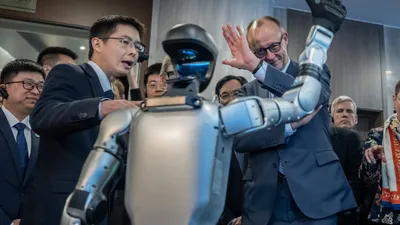
Cheap humanoid robots advance rapidly thanks to ruthless cost-cutting
Unitree's aggressive cost-cutting strategies are accelerating the deployment of affordable humanoid robots. This race to the bottom in hardware pricing brings the timeline for physical labor automation much closer than previously expected.
Last scored March 14, 2026 · Based on BLS employment data and O*NET task analysis