Camera Operators, Television, Video, and Motion Picture
Operate television, video, or motion picture camera to record images or scenes for various purposes, such as TV broadcasts, advertising, video production, or motion pictures.
How AI Impacts Each Task
26 tasks analyzed
Operate television or motion picture cameras to record scenes for television broadcasts, advertising, or motion pictures.
Edit video for broadcast productions, including non-linear editing.
Compose and frame each shot, applying the technical aspects of light, lenses, film, filters, and camera settings to achieve the effects sought by directors.
Operate zoom lenses, changing images according to specifications and rehearsal instructions.
Adjust positions and controls of cameras, printers, and related equipment to change focus, exposure, and lighting.
Confer with directors, sound and lighting technicians, electricians, and other crew members to discuss assignments and determine filming sequences, desired effects, camera movements, and lighting requirements.
Download exposed film for shipment to processing labs.
Set up and perform live shots for broadcast.
Set up cameras, optical printers, and related equipment to produce photographs and special effects.
Assemble studio sets and select and arrange cameras, film stock, audio, or lighting equipment to be used during filming.
Test, clean, maintain, and repair broadcast equipment, including testing microphones, to ensure proper working condition.
Reload camera magazines with fresh raw film stock.
Use cameras in any of several different camera mounts, such as stationary, track-mounted, or crane-mounted.
Set up and operate electric news gathering (ENG) microwave vehicles to gather and edit raw footage on location to send to television affiliates for broadcast.
Observe sets or locations for potential problems and to determine filming and lighting requirements.
Instruct camera operators regarding camera setups, angles, distances, movement, and variables and cues for starting and stopping filming.
Label and record contents of exposed film and note details on report forms.
View films to resolve problems of exposure control, subject and camera movement, changes in subject distance, and related variables.
Direct studio productions.
Receive raw film stock and maintain film inventories.
Read and analyze work orders and specifications to determine locations of subject material, work procedures, sequences of operations, and machine setups.
Read charts and compute ratios to determine variables such as lighting, shutter angles, filter factors, and camera distances.
Stay current with new technologies in the field by reading trade magazines.
Prepare slates that describe the scenes being filmed.
Design graphics for studio productions.
Write new scripts for broadcasts.
| Task | AI Capability | Risk | Time % | |
|---|---|---|---|---|
| Operate television or motion picture cameras to record scenes for television broadcasts, advertising, or motion pictures. | 20Estimated | 17.0% | 15% | |
| Edit video for broadcast productions, including non-linear editing. | 50.9Observed | 47.4% | 5% | |
| Compose and frame each shot, applying the technical aspects of light, lenses, film, filters, and camera settings to achieve the effects sought by directors. | 59.25Observed | 50.7% | 10% | |
| Operate zoom lenses, changing images according to specifications and rehearsal instructions. | 20Estimated | 17.0% | 5% | |
| Adjust positions and controls of cameras, printers, and related equipment to change focus, exposure, and lighting. | 25Estimated | 19.0% | 5% | |
| Confer with directors, sound and lighting technicians, electricians, and other crew members to discuss assignments and determine filming sequences, desired effects, camera movements, and lighting requirements. | 15Estimated | 21.0% | 5% | |
| Download exposed film for shipment to processing labs. | 45Estimated | 51.0% | 2% | |
| Set up and perform live shots for broadcast. | 10Estimated | 13.0% | 6% | |
| Set up cameras, optical printers, and related equipment to produce photographs and special effects. | 5Estimated | 11.0% | 4% | |
| Assemble studio sets and select and arrange cameras, film stock, audio, or lighting equipment to be used during filming. | 5Estimated | 11.0% | 4% | |
| Test, clean, maintain, and repair broadcast equipment, including testing microphones, to ensure proper working condition. | 5Estimated | 11.0% | 3% | |
| Reload camera magazines with fresh raw film stock. | 35Estimated | 47.0% | 2% | |
| Use cameras in any of several different camera mounts, such as stationary, track-mounted, or crane-mounted. | 10Estimated | 13.0% | 4% | |
| Set up and operate electric news gathering (ENG) microwave vehicles to gather and edit raw footage on location to send to television affiliates for broadcast. | 5Estimated | 11.0% | 3% | |
| Observe sets or locations for potential problems and to determine filming and lighting requirements. | 35Estimated | 41.0% | 3% | |
| Instruct camera operators regarding camera setups, angles, distances, movement, and variables and cues for starting and stopping filming. | 15Estimated | 21.0% | 3% | |
| Label and record contents of exposed film and note details on report forms. | 37.5Observed | 64.2% | 2% | |
| View films to resolve problems of exposure control, subject and camera movement, changes in subject distance, and related variables. | 60Estimated | 51.0% | 3% | |
| Direct studio productions. | 68Observed | 42.2% | 2% | |
| Receive raw film stock and maintain film inventories. | 92Estimated | 86.0% | 2% | |
| Read and analyze work orders and specifications to determine locations of subject material, work procedures, sequences of operations, and machine setups. | 92Estimated | 86.0% | 2% | |
| Read charts and compute ratios to determine variables such as lighting, shutter angles, filter factors, and camera distances. | 97Estimated | 88.0% | 2% | |
| Stay current with new technologies in the field by reading trade magazines. | 65Estimated | 53.0% | 2% | |
| Prepare slates that describe the scenes being filmed. | 92Estimated | 86.0% | 2% | |
| Design graphics for studio productions. | 62.82Observed | 52.1% | 2% | |
| Write new scripts for broadcasts. | 55.65Observed | 49.3% | 2% |
Skill Impact Analysis
AI-Vulnerable Skills (6)
High reliance on Information Ordering is a risk area. Consider developing complementary AI-resistant skills to maintain value.
Reading Comprehension is AI-vulnerable but has moderate importance in this role. AI tools may handle this; focus on higher-value skills.
Memorization is AI-vulnerable but has moderate importance in this role. AI tools may handle this; focus on higher-value skills.
Mathematics is AI-vulnerable but has moderate importance in this role. AI tools may handle this; focus on higher-value skills.
Mathematics is AI-vulnerable but has moderate importance in this role. AI tools may handle this; focus on higher-value skills.
Programming is AI-vulnerable but has moderate importance in this role. AI tools may handle this; focus on higher-value skills.
AI-Resistant Skills (11)
Adaptability/Flexibility is AI-resistant — strengthening this skill provides durable career protection.
Leadership is AI-resistant — strengthening this skill provides durable career protection.
Coordination is AI-resistant — strengthening this skill provides durable career protection.
Manual Dexterity is AI-resistant — strengthening this skill provides durable career protection.
Complex Problem Solving is AI-resistant — strengthening this skill provides durable career protection.
Social Perceptiveness is AI-resistant — strengthening this skill provides durable career protection.
Service Orientation is AI-resistant — strengthening this skill provides durable career protection.
Persuasion is AI-resistant — strengthening this skill provides durable career protection.
Recommended Courses
Courses matched to Camera Operators, Television, Video, and Motion Picture skill gaps, ranked by relevance to your displacement risk profile.
Get personalized recommendations. Answer a few questions about your experience and skills to get course suggestions tailored specifically to you.
Upskill to Reduce Risk
Courses addressing your most AI-vulnerable skills
SQL Fundamentals Skill Track
by DataCamp
Estimated Impact
AI-Augmentation Tools
Learn to work alongside AI and boost your productivity
Google UX Design Professional Certificate
by Google
Estimated Impact
Strengthen Your Edge
Double down on skills AI can't replicate
Inspired Leadership Through Emotional Intelligence
by Case Western Reserve University
Estimated Impact
We may earn a commission when you enroll through our links, at no extra cost to you. This helps fund the Takeover Tracker.
Risk reduction and salary impact are estimates based on skill gap analysis, course relevance, and labor market data. Actual results vary by individual circumstance.
Alternate Career Paths
See all transitionsAdvertising and Promotions Managers
31%Higher risk than 43% of other occupations
Audio and Video Equipment Technicians
33%Median salary: $54,830
Higher risk than 57% of other occupations
Broadcast Technicians
40%Median salary: $53,920
Higher risk than 82% of other occupations
Chief Executives
26%Higher risk than 23% of other occupations
Computer and Information Systems Managers
31%Higher risk than 45% of other occupations
Computer Operators
48%Higher risk than 95% of other occupations
Film and Video Editors
35%Median salary: $70,980
Higher risk than 66% of other occupations
General and Operations Managers
28%Higher risk than 29% of other occupations
Mapping Technicians
54%Median salary: $51,940
Higher risk than 99% of other occupations
Marketing Managers
30%Higher risk than 38% of other occupations
Photographers
30%Median salary: $42,520
Higher risk than 39% of other occupations
Prepress Technicians and Workers
47%Median salary: $47,300
Higher risk than 94% of other occupations
Sales Managers
25%Higher risk than 20% of other occupations
Sound Engineering Technicians
36%Median salary: $66,430
Higher risk than 68% of other occupations
Surveying Technicians
30%Median salary: $51,940
Higher risk than 40% of other occupations
Telecommunications Equipment Installers and Repairers, Except Line Installers
28%Median salary: $62,630
Higher risk than 30% of other occupations
Score History
Risk score over 2 scoring runs
overall change
Education & Training
Percentage of workers at each education and training level
Education Level
Prior Experience Needed
Work experience required to enter this job
Training Provided After Hiring
How long it typically takes to learn on the job
Related News
Recent articles about AI affecting this occupation
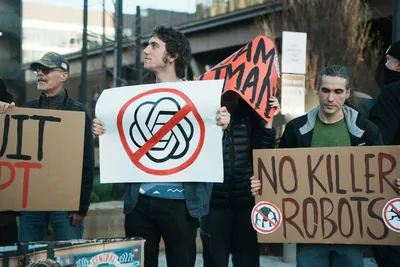
How AI-Generated Content is Reshaping the TV and Media Workforce
The rapid advancement of AI-generated television programming threatens traditional production roles from writing to post-production. Media professionals face a shrinking job market as studios experiment with fully automated content pipelines.
Free AI Video Generator Threatens Entry-Level Content Creation Jobs
A new free AI tool allows anyone to generate video content instantly, lowering the barrier to entry for digital media. This commoditization of basic video production threatens freelance editors and entry-level creators.
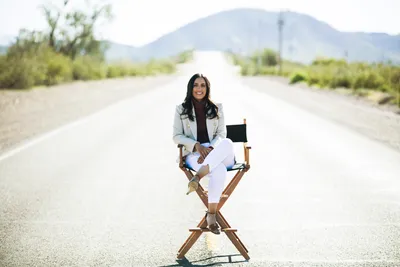
Inside Camelback Productions’ Plans for a New 1,400-Acre, AI-Powered Production and Entertainment Complex — in Arizona (EXCLUSIVE)
A massive new film production complex planned near Phoenix will feature a dedicated data center to support automated filmmaking. This signals a geographic and technological shift in the entertainment industry, threatening traditional Los Angeles production jobs.
OpenAI and Meta Court Hollywood Execs, Signaling Shift in Media Jobs
Leaders from top generative AI companies are actively networking with studio heads to integrate their tools into film production. These discussions highlight how rapidly AI is becoming a core component of the entertainment pipeline.
Last scored March 14, 2026 · Based on BLS employment data and O*NET task analysis