Photographers
Photograph people, landscapes, merchandise, or other subjects, using digital or film cameras and equipment. May develop negatives or use computer software to produce finished images and prints. Includes scientific photographers, aerial photographers, and photojournalists.
How AI Impacts Each Task
29 tasks analyzed
Use traditional or digital cameras, along with a variety of equipment, such as tripods, filters, and flash attachments.
Determine desired images and picture composition, selecting and adjusting subjects, equipment, and lighting to achieve desired effects.
Adjust apertures, shutter speeds, and camera focus according to a combination of factors, such as lighting, field depth, subject motion, film type, and film speed.
Develop and print exposed film, using chemicals, touch-up tools, and developing and printing equipment.
Create artificial light, using flashes and reflectors.
Manipulate and enhance scanned or digital images to create desired effects, using computers and specialized software.
Determine project goals, locations, and equipment needs by studying assignments and consulting with clients or advertising staff.
Transfer photographs to computers for editing, archiving, and electronic transmission.
Review sets of photographs to select the best work.
Perform general office duties, such as scheduling appointments, keeping books, and ordering supplies.
Estimate or measure light levels, distances, and numbers of exposures needed, using measuring devices and formulas.
Test equipment prior to use to ensure that it is in good working order.
Set up, mount, or install photographic equipment and cameras.
Select and assemble equipment and required background properties, according to subjects, materials, and conditions.
Take pictures of individuals, families, and small groups, either in studio or on location.
Direct activities of workers setting up photographic equipment.
Perform maintenance tasks necessary to keep equipment working properly.
Enhance, retouch, and resize photographs and negatives, using airbrushing and other techniques.
Develop visual aids and charts for use in lectures or to present evidence in court.
Load and unload film.
Employ a variety of specialized photographic materials and techniques, including infrared and ultraviolet films, macro photography, photogrammetry and sensitometry.
Produce computer-readable, digital images from film, using flatbed scanners and photofinishing laboratories.
Engage in research to develop new photographic procedures and materials.
Write photograph captions.
Mount, frame, laminate, or lacquer finished photographs.
Send film to photofinishing laboratories for processing.
Set up photographic exhibitions for the purpose of displaying and selling work.
License the use of photographs through stock photo agencies.
Photograph legal evidence at crime scenes, in hospitals, or in forensic laboratories.
| Task | AI Capability | Risk | Time % | |
|---|---|---|---|---|
| Use traditional or digital cameras, along with a variety of equipment, such as tripods, filters, and flash attachments. | 0Estimated | 9.0% | 8% | |
| Determine desired images and picture composition, selecting and adjusting subjects, equipment, and lighting to achieve desired effects. | 65.08Observed | 53.0% | 8% | |
| Adjust apertures, shutter speeds, and camera focus according to a combination of factors, such as lighting, field depth, subject motion, film type, and film speed. | 60Estimated | 51.0% | 6% | |
| Develop and print exposed film, using chemicals, touch-up tools, and developing and printing equipment. | 35Estimated | 47.0% | 2% | |
| Create artificial light, using flashes and reflectors. | 0Estimated | 9.0% | 4% | |
| Manipulate and enhance scanned or digital images to create desired effects, using computers and specialized software. | 51.38Observed | 47.6% | 8% | |
| Determine project goals, locations, and equipment needs by studying assignments and consulting with clients or advertising staff. | 15Estimated | 21.0% | 5% | |
| Transfer photographs to computers for editing, archiving, and electronic transmission. | 92Estimated | 86.0% | 3% | |
| Review sets of photographs to select the best work. | 61.88Observed | 51.8% | 5% | |
| Perform general office duties, such as scheduling appointments, keeping books, and ordering supplies. | 92Estimated | 86.0% | 4% | |
| Estimate or measure light levels, distances, and numbers of exposures needed, using measuring devices and formulas. | 92Estimated | 86.0% | 3% | |
| Test equipment prior to use to ensure that it is in good working order. | 40Estimated | 49.0% | 2% | |
| Set up, mount, or install photographic equipment and cameras. | 0Estimated | 9.0% | 4% | |
| Select and assemble equipment and required background properties, according to subjects, materials, and conditions. | 0Estimated | 9.0% | 4% | |
| Take pictures of individuals, families, and small groups, either in studio or on location. | 60Observed | 39.0% | 6% | |
| Direct activities of workers setting up photographic equipment. | 15Estimated | 21.0% | 2% | |
| Perform maintenance tasks necessary to keep equipment working properly. | 40Estimated | 49.0% | 2% | |
| Enhance, retouch, and resize photographs and negatives, using airbrushing and other techniques. | 80Estimated | 59.0% | 4% | |
| Develop visual aids and charts for use in lectures or to present evidence in court. | 72.05Observed | 55.8% | 2% | |
| Load and unload film. | 35Estimated | 47.0% | 2% | |
| Employ a variety of specialized photographic materials and techniques, including infrared and ultraviolet films, macro photography, photogrammetry and sensitometry. | 50Estimated | 47.0% | 2% | |
| Produce computer-readable, digital images from film, using flatbed scanners and photofinishing laboratories. | 92Estimated | 86.0% | 2% | |
| Engage in research to develop new photographic procedures and materials. | 55Estimated | 49.0% | 2% | |
| Write photograph captions. | 97Estimated | 88.0% | 2% | |
| Mount, frame, laminate, or lacquer finished photographs. | 35Estimated | 47.0% | 2% | |
| Send film to photofinishing laboratories for processing. | 40Estimated | 49.0% | 2% | |
| Set up photographic exhibitions for the purpose of displaying and selling work. | 0Estimated | 9.0% | 2% | |
| License the use of photographs through stock photo agencies. | 92Estimated | 86.0% | 2% | |
| Photograph legal evidence at crime scenes, in hospitals, or in forensic laboratories. | 0Estimated | 9.0% | 2% |
Skill Impact Analysis
AI-Vulnerable Skills (6)
High reliance on Information Ordering is a risk area. Consider developing complementary AI-resistant skills to maintain value.
Reading Comprehension is AI-vulnerable but has moderate importance in this role. AI tools may handle this; focus on higher-value skills.
Mathematics is AI-vulnerable but has moderate importance in this role. AI tools may handle this; focus on higher-value skills.
Mathematics is AI-vulnerable but has moderate importance in this role. AI tools may handle this; focus on higher-value skills.
Memorization is AI-vulnerable but has moderate importance in this role. AI tools may handle this; focus on higher-value skills.
Programming is AI-vulnerable but has moderate importance in this role. AI tools may handle this; focus on higher-value skills.
AI-Resistant Skills (11)
Adaptability/Flexibility is AI-resistant — strengthening this skill provides durable career protection.
Leadership is AI-resistant — strengthening this skill provides durable career protection.
Social Perceptiveness is AI-resistant — strengthening this skill provides durable career protection.
Service Orientation is AI-resistant — strengthening this skill provides durable career protection.
Manual Dexterity is AI-resistant — strengthening this skill provides durable career protection.
Coordination is AI-resistant — strengthening this skill provides durable career protection.
Instructing is AI-resistant — strengthening this skill provides durable career protection.
Complex Problem Solving is AI-resistant — strengthening this skill provides durable career protection.
Recommended Courses
Courses matched to Photographers skill gaps, ranked by relevance to your displacement risk profile.
Get personalized recommendations. Answer a few questions about your experience and skills to get course suggestions tailored specifically to you.
Upskill to Reduce Risk
Courses addressing your most AI-vulnerable skills
SQL Fundamentals Skill Track
by DataCamp
Estimated Impact
AI-Augmentation Tools
Learn to work alongside AI and boost your productivity
Creative Writing Specialization
by Wesleyan University
Estimated Impact
Strengthen Your Edge
Double down on skills AI can't replicate
Inspired Leadership Through Emotional Intelligence
by Case Western Reserve University
Estimated Impact
We may earn a commission when you enroll through our links, at no extra cost to you. This helps fund the Takeover Tracker.
Risk reduction and salary impact are estimates based on skill gap analysis, course relevance, and labor market data. Actual results vary by individual circumstance.
Alternate Career Paths
See all transitionsAdvertising and Promotions Managers
31%Higher risk than 43% of other occupations
Camera Operators, Television, Video, and Motion Picture
24%Median salary: $68,810
Higher risk than 15% of other occupations
Chief Executives
26%Higher risk than 23% of other occupations
Computer and Information Systems Managers
31%Higher risk than 45% of other occupations
Film and Video Editors
35%Median salary: $70,980
Higher risk than 66% of other occupations
General and Operations Managers
28%Higher risk than 29% of other occupations
Hotel, Motel, and Resort Desk Clerks
41%Median salary: $34,270
Higher risk than 84% of other occupations
Marketing Managers
30%Higher risk than 38% of other occupations
Photographic Process Workers and Processing Machine Operators
31%Median salary: $40,100
Higher risk than 42% of other occupations
Prepress Technicians and Workers
47%Median salary: $47,300
Higher risk than 94% of other occupations
Retail Salespersons
39%Median salary: $34,580
Higher risk than 79% of other occupations
Sales Managers
25%Higher risk than 20% of other occupations
Self-Enrichment Education Teachers
32%Median salary: $45,590
Higher risk than 49% of other occupations
Teacher Assistants
33%Higher risk than 54% of other occupations
Tour Guides and Escorts
30%Higher risk than 37% of other occupations
Travel Guides
31%Higher risk than 44% of other occupations
Score History
Risk score over 2 scoring runs
overall change
Education & Training
Percentage of workers at each education and training level
Education Level
Prior Experience Needed
Work experience required to enter this job
Training Provided After Hiring
How long it typically takes to learn on the job
Related News
Recent articles about AI affecting this occupation

Australia Considers Unrestricted AI Training Access to Local Content
The Albanese government is weighing sweeping copyright reforms that would allow companies like OpenAI to freely train on the open internet. This potential deal raises major concerns for local creators regarding compensation.
Can NVIDIA and Adobe work together to get creatives to actually like AI?

AI Replaces Food Photographers as Restaurants Opt for Generated Menu Images
Restaurants are increasingly replacing professional food photographers with AI generators to create menu images, despite consumer backlash over unappetizing results. This shift threatens commercial photography jobs as businesses prioritize cost-cutting.
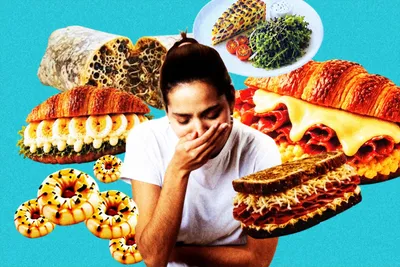
Restaurants Replace Food Photographers with Bizarre AI Images
Brands are increasingly bypassing professional creatives in favor of cheap AI image generators for their marketing. The result is a flood of bizarre, unappetizing promotional materials that highlight the limits of automated design.
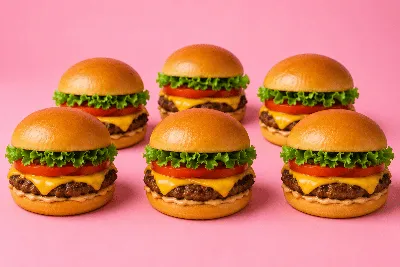
AI-generated restaurant menus fail to replace human food photographers
Customers are rejecting automated food imagery because it looks unnatural and repetitive. This backlash proves that human food photographers and designers still hold a distinct advantage over cheap generative AI shortcuts.
Last scored March 14, 2026 · Based on BLS employment data and O*NET task analysis