Cooks, Restaurant
Prepare, season, and cook dishes such as soups, meats, vegetables, or desserts in restaurants. May order supplies, keep records and accounts, price items on menu, or plan menu.
How AI Impacts Each Task
20 tasks analyzed
Inspect and clean food preparation areas, such as equipment and work surfaces, or serving areas to ensure safe and sanitary food-handling practices.
Ensure freshness of food and ingredients by checking for quality, keeping track of old and new items, and rotating stock.
Ensure food is stored and cooked at correct temperature by regulating temperature of ovens, broilers, grills, and roasters.
Season and cook food according to recipes or personal judgment and experience.
Turn or stir foods to ensure even cooking.
Observe and test foods to determine if they have been cooked sufficiently, using methods such as tasting, smelling, or piercing them with utensils.
Portion, arrange, and garnish food, and serve food to waiters or patrons.
Weigh, measure, and mix ingredients according to recipes or personal judgment, using various kitchen utensils and equipment.
Bake, roast, broil, and steam meats, fish, vegetables, and other foods.
Wash, peel, cut, and seed fruits and vegetables to prepare them for consumption.
Coordinate and supervise work of kitchen staff.
Estimate expected food consumption, requisition or purchase supplies, or procure food from storage.
Substitute for or assist other cooks during emergencies or rush periods.
Consult with supervisory staff to plan menus, taking into consideration factors such as costs and special event needs.
Butcher and dress animals, fowl, or shellfish, or cut and bone meat prior to cooking.
Prepare relishes and hors d'oeuvres.
Carve and trim meats such as beef, veal, ham, pork, and lamb for hot or cold service, or for sandwiches.
Keep records and accounts.
Bake breads, rolls, cakes, and pastries.
Plan and price menu items.
| Task | AI Capability | Risk | Time % | |
|---|---|---|---|---|
| Inspect and clean food preparation areas, such as equipment and work surfaces, or serving areas to ensure safe and sanitary food-handling practices. | 30Estimated | 45.0% | 5% | |
| Ensure freshness of food and ingredients by checking for quality, keeping track of old and new items, and rotating stock. | 70Estimated | 77.2% | 4% | |
| Ensure food is stored and cooked at correct temperature by regulating temperature of ovens, broilers, grills, and roasters. | 54.17Observed | 70.9% | 4% | |
| Season and cook food according to recipes or personal judgment and experience. | 20Estimated | 17.0% | 12% | |
| Turn or stir foods to ensure even cooking. | 40Estimated | 49.0% | 5% | |
| Observe and test foods to determine if they have been cooked sufficiently, using methods such as tasting, smelling, or piercing them with utensils. | 20Estimated | 35.0% | 5% | |
| Portion, arrange, and garnish food, and serve food to waiters or patrons. | 30Estimated | 45.0% | 8% | |
| Weigh, measure, and mix ingredients according to recipes or personal judgment, using various kitchen utensils and equipment. | 64.88Observed | 59.0% | 8% | |
| Bake, roast, broil, and steam meats, fish, vegetables, and other foods. | 61.9Observed | 57.8% | 10% | |
| Wash, peel, cut, and seed fruits and vegetables to prepare them for consumption. | 35Estimated | 47.0% | 10% | |
| Coordinate and supervise work of kitchen staff. | 30Estimated | 27.0% | 5% | |
| Estimate expected food consumption, requisition or purchase supplies, or procure food from storage. | 92Estimated | 86.0% | 3% | |
| Substitute for or assist other cooks during emergencies or rush periods. | 5Estimated | 11.0% | 5% | |
| Consult with supervisory staff to plan menus, taking into consideration factors such as costs and special event needs. | 50Estimated | 35.0% | 2% | |
| Butcher and dress animals, fowl, or shellfish, or cut and bone meat prior to cooking. | 5Estimated | 11.0% | 3% | |
| Prepare relishes and hors d'oeuvres. | 25Estimated | 43.0% | 3% | |
| Carve and trim meats such as beef, veal, ham, pork, and lamb for hot or cold service, or for sandwiches. | 10Estimated | 13.0% | 2% | |
| Keep records and accounts. | 95Estimated | 87.2% | 2% | |
| Bake breads, rolls, cakes, and pastries. | 40Estimated | 49.0% | 2% | |
| Plan and price menu items. | 63.5Observed | 52.4% | 2% |
Skill Impact Analysis
AI-Vulnerable Skills (6)
High reliance on Information Ordering is a risk area. Consider developing complementary AI-resistant skills to maintain value.
Reading Comprehension is AI-vulnerable but has moderate importance in this role. AI tools may handle this; focus on higher-value skills.
Mathematics is AI-vulnerable but has moderate importance in this role. AI tools may handle this; focus on higher-value skills.
Mathematics is AI-vulnerable but has moderate importance in this role. AI tools may handle this; focus on higher-value skills.
Memorization is AI-vulnerable but has moderate importance in this role. AI tools may handle this; focus on higher-value skills.
Programming is AI-vulnerable but has moderate importance in this role. AI tools may handle this; focus on higher-value skills.
AI-Resistant Skills (11)
Adaptability/Flexibility is AI-resistant — strengthening this skill provides durable career protection.
Leadership is AI-resistant — strengthening this skill provides durable career protection.
Manual Dexterity is AI-resistant — strengthening this skill provides durable career protection.
Coordination is AI-resistant — strengthening this skill provides durable career protection.
Social Perceptiveness is AI-resistant — strengthening this skill provides durable career protection.
Service Orientation is AI-resistant — strengthening this skill provides durable career protection.
Persuasion is AI-resistant — strengthening this skill provides durable career protection.
Negotiation is AI-resistant — strengthening this skill provides durable career protection.
Recommended Courses
Courses matched to Cooks, Restaurant skill gaps, ranked by relevance to your displacement risk profile.
Get personalized recommendations. Answer a few questions about your experience and skills to get course suggestions tailored specifically to you.
Upskill to Reduce Risk
Courses addressing your most AI-vulnerable skills
SQL Fundamentals Skill Track
by DataCamp
Estimated Impact
AI-Augmentation Tools
Learn to work alongside AI and boost your productivity
Cybersecurity Fundamentals Path
by Pluralsight
Estimated Impact
Strengthen Your Edge
Double down on skills AI can't replicate
Leading People and Teams Specialization
by University of Michigan
Estimated Impact
We may earn a commission when you enroll through our links, at no extra cost to you. This helps fund the Takeover Tracker.
Risk reduction and salary impact are estimates based on skill gap analysis, course relevance, and labor market data. Actual results vary by individual circumstance.
Alternate Career Paths
See all transitionsAdvertising and Promotions Managers
31%Higher risk than 43% of other occupations
Bakers
37%Median salary: $36,650
Higher risk than 71% of other occupations
Butchers and Meat Cutters
29%Median salary: $38,960
Higher risk than 33% of other occupations
Chief Executives
26%Higher risk than 23% of other occupations
Cleaning, Washing, and Metal Pickling Equipment Operators and Tenders
46%Median salary: $41,460
Higher risk than 93% of other occupations
Combined Food Preparation and Serving Workers, Including Fast Food
43%Higher risk than 89% of other occupations
Computer and Information Systems Managers
31%Higher risk than 45% of other occupations
Cooks, Fast Food
46%Median salary: $30,160
Higher risk than 93% of other occupations
Cooks, Institution and Cafeteria
40%Median salary: $36,450
Higher risk than 80% of other occupations
Cooks, Short Order
34%Median salary: $35,620
Higher risk than 61% of other occupations
Food Cooking Machine Operators and Tenders
45%Median salary: $40,550
Higher risk than 92% of other occupations
Food Preparation Workers
37%Median salary: $34,220
Higher risk than 71% of other occupations
General and Operations Managers
28%Higher risk than 29% of other occupations
Marketing Managers
30%Higher risk than 38% of other occupations
Packers and Packagers, Hand
42%Median salary: $35,580
Higher risk than 86% of other occupations
Sales Managers
25%Higher risk than 20% of other occupations
Score History
Risk score over 2 scoring runs
overall change
Education & Training
Percentage of workers at each education and training level
Education Level
Prior Experience Needed
Work experience required to enter this job
Training Provided After Hiring
How long it typically takes to learn on the job
Related News
Recent articles about AI affecting this occupation
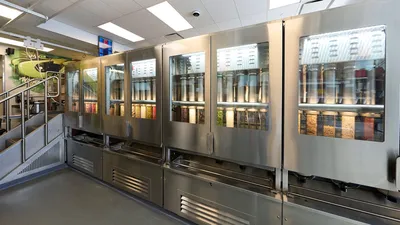
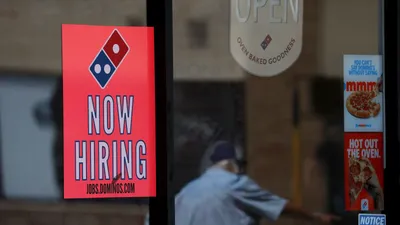
Toast Survey: Half of Restaurants Focus on Employee Retention
Nearly 50% of restaurant operators surveyed by Toast plan to maintain their current staffing levels. This signals a stabilization in hospitality workforce demand despite ongoing industry pressures and automation trends.
Last scored March 14, 2026 · Based on BLS employment data and O*NET task analysis