Emergency Management Directors
Plan and direct disaster response or crisis management activities, provide disaster preparedness training, and prepare emergency plans and procedures for natural (e.g., hurricanes, floods, earthquakes), wartime, or technological (e.g., nuclear power plant emergencies or hazardous materials spills) disasters or hostage situations.
How AI Impacts Each Task
23 tasks analyzed
Keep informed of activities or changes that could affect the likelihood of an emergency, as well as those that could affect response efforts and details of plan implementation.
Prepare emergency situation status reports that describe response and recovery efforts, needs, and preliminary damage assessments.
Coordinate disaster response or crisis management activities, such as ordering evacuations, opening public shelters, and implementing special needs plans and programs.
Prepare plans that outline operating procedures to be used in response to disasters or emergencies, such as hurricanes, nuclear accidents, and terrorist attacks, and in recovery from these events.
Develop and maintain liaisons with municipalities, county departments, and similar entities to facilitate plan development, response effort coordination, and exchanges of personnel and equipment.
Apply for federal funding for emergency-management-related needs and administer and report on the progress of such grants.
Design and administer emergency or disaster preparedness training courses that teach people how to effectively respond to major emergencies and disasters.
Inspect facilities and equipment, such as emergency management centers and communications equipment, to determine their operational and functional capabilities in emergency situations.
Collaborate with other officials to prepare and analyze damage assessments following disasters or emergencies.
Attend meetings, conferences, and workshops related to emergency management to learn new information and to develop working relationships with other emergency management specialists.
Consult with officials of local and area governments, schools, hospitals, and other institutions to determine their needs and capabilities in the event of a natural disaster or other emergency.
Develop and perform tests and evaluations of emergency management plans in accordance with state and federal regulations.
Propose alteration of emergency response procedures based on regulatory changes, technological changes, or knowledge gained from outcomes of previous emergency situations.
Keep informed of federal, state, and local regulations affecting emergency plans and ensure that plans adhere to these regulations.
Review emergency plans of individual organizations, such as medical facilities, to ensure their adequacy.
Develop instructional materials for the public and make presentations to citizens' groups to provide information on emergency plans and their implementation processes.
Maintain and update all resource materials associated with emergency preparedness plans.
Train local groups in the preparation of long-term plans that are compatible with federal and state plans.
Provide communities with assistance in applying for federal funding for emergency management facilities, radiological instrumentation, and other related items.
Inventory and distribute nuclear, biological, and chemical detection and contamination equipment, providing instruction in its maintenance and use.
Conduct surveys to determine the types of emergency-related needs to be addressed in disaster planning or provide technical support to others conducting such surveys.
Study emergency plans used elsewhere to gather information for plan development.
Develop and implement training procedures and strategies for radiological protection, detection, and decontamination.
| Task | AI Capability | Risk | Time % | |
|---|---|---|---|---|
| Keep informed of activities or changes that could affect the likelihood of an emergency, as well as those that could affect response efforts and details of plan implementation. | 65Estimated | 53.0% | 6% | |
| Prepare emergency situation status reports that describe response and recovery efforts, needs, and preliminary damage assessments. | 70Estimated | 55.0% | 6% | |
| Coordinate disaster response or crisis management activities, such as ordering evacuations, opening public shelters, and implementing special needs plans and programs. | 10Estimated | 19.0% | 8% | |
| Prepare plans that outline operating procedures to be used in response to disasters or emergencies, such as hurricanes, nuclear accidents, and terrorist attacks, and in recovery from these events. | 60Estimated | 51.0% | 8% | |
| Develop and maintain liaisons with municipalities, county departments, and similar entities to facilitate plan development, response effort coordination, and exchanges of personnel and equipment. | 15Estimated | 21.0% | 7% | |
| Apply for federal funding for emergency-management-related needs and administer and report on the progress of such grants. | 87Estimated | 84.0% | 4% | |
| Design and administer emergency or disaster preparedness training courses that teach people how to effectively respond to major emergencies and disasters. | 51.68Observed | 35.7% | 5% | |
| Inspect facilities and equipment, such as emergency management centers and communications equipment, to determine their operational and functional capabilities in emergency situations. | 25Estimated | 37.0% | 4% | |
| Collaborate with other officials to prepare and analyze damage assessments following disasters or emergencies. | 50Estimated | 47.0% | 5% | |
| Attend meetings, conferences, and workshops related to emergency management to learn new information and to develop working relationships with other emergency management specialists. | 10Estimated | 19.0% | 4% | |
| Consult with officials of local and area governments, schools, hospitals, and other institutions to determine their needs and capabilities in the event of a natural disaster or other emergency. | 20Estimated | 23.0% | 5% | |
| Develop and perform tests and evaluations of emergency management plans in accordance with state and federal regulations. | 55Estimated | 49.0% | 5% | |
| Propose alteration of emergency response procedures based on regulatory changes, technological changes, or knowledge gained from outcomes of previous emergency situations. | 60Estimated | 51.0% | 4% | |
| Keep informed of federal, state, and local regulations affecting emergency plans and ensure that plans adhere to these regulations. | 92Estimated | 86.0% | 3% | |
| Review emergency plans of individual organizations, such as medical facilities, to ensure their adequacy. | 65Estimated | 53.0% | 4% | |
| Develop instructional materials for the public and make presentations to citizens' groups to provide information on emergency plans and their implementation processes. | 56.25Observed | 37.5% | 4% | |
| Maintain and update all resource materials associated with emergency preparedness plans. | 90Estimated | 85.2% | 3% | |
| Train local groups in the preparation of long-term plans that are compatible with federal and state plans. | 30Estimated | 27.0% | 3% | |
| Provide communities with assistance in applying for federal funding for emergency management facilities, radiological instrumentation, and other related items. | 35Estimated | 29.0% | 3% | |
| Inventory and distribute nuclear, biological, and chemical detection and contamination equipment, providing instruction in its maintenance and use. | 35Estimated | 47.0% | 2% | |
| Conduct surveys to determine the types of emergency-related needs to be addressed in disaster planning or provide technical support to others conducting such surveys. | 87Estimated | 84.0% | 3% | |
| Study emergency plans used elsewhere to gather information for plan development. | 70Estimated | 55.0% | 2% | |
| Develop and implement training procedures and strategies for radiological protection, detection, and decontamination. | 55Estimated | 49.0% | 2% |
Skill Impact Analysis
AI-Vulnerable Skills (6)
High reliance on Reading Comprehension is a risk area. Consider developing complementary AI-resistant skills to maintain value.
High reliance on Information Ordering is a risk area. Consider developing complementary AI-resistant skills to maintain value.
Mathematics is AI-vulnerable but has moderate importance in this role. AI tools may handle this; focus on higher-value skills.
Memorization is AI-vulnerable but has moderate importance in this role. AI tools may handle this; focus on higher-value skills.
Mathematics is AI-vulnerable but has moderate importance in this role. AI tools may handle this; focus on higher-value skills.
Programming is AI-vulnerable but has moderate importance in this role. AI tools may handle this; focus on higher-value skills.
AI-Resistant Skills (11)
Leadership is AI-resistant — strengthening this skill provides durable career protection.
Adaptability/Flexibility is AI-resistant — strengthening this skill provides durable career protection.
Complex Problem Solving is AI-resistant — strengthening this skill provides durable career protection.
Service Orientation is AI-resistant — strengthening this skill provides durable career protection.
Coordination is AI-resistant — strengthening this skill provides durable career protection.
Persuasion is AI-resistant — strengthening this skill provides durable career protection.
Instructing is AI-resistant — strengthening this skill provides durable career protection.
Social Perceptiveness is AI-resistant — strengthening this skill provides durable career protection.
Recommended Courses
Courses matched to Emergency Management Directors skill gaps, ranked by relevance to your displacement risk profile.
Get personalized recommendations. Answer a few questions about your experience and skills to get course suggestions tailored specifically to you.
Upskill to Reduce Risk
Courses addressing your most AI-vulnerable skills
SQL Fundamentals Skill Track
by DataCamp
Estimated Impact
AI-Augmentation Tools
Learn to work alongside AI and boost your productivity
Creative Writing Specialization
by Wesleyan University
Estimated Impact
Strengthen Your Edge
Double down on skills AI can't replicate
Leading People and Teams Specialization
by University of Michigan
Estimated Impact
We may earn a commission when you enroll through our links, at no extra cost to you. This helps fund the Takeover Tracker.
Risk reduction and salary impact are estimates based on skill gap analysis, course relevance, and labor market data. Actual results vary by individual circumstance.
Alternate Career Paths
See all transitionsAdvertising and Promotions Managers
31%Higher risk than 43% of other occupations
Career/Technical Education Teachers, Secondary School
27%Median salary: $63,910
Higher risk than 26% of other occupations
Chief Executives
26%Higher risk than 23% of other occupations
Computer and Information Systems Managers
31%Higher risk than 45% of other occupations
First-Line Supervisors of Police and Detectives
28%Median salary: $105,980
Higher risk than 28% of other occupations
General and Operations Managers
28%Median salary: $102,950
Higher risk than 29% of other occupations
Industrial Safety and Health Engineers
30%Median salary: $109,660
Higher risk than 38% of other occupations
Logistics Managers
32%Median salary: $102,010
Higher risk than 50% of other occupations
Marketing Managers
30%Higher risk than 38% of other occupations
Occupational Health and Safety Specialists
30%Higher risk than 40% of other occupations
Sales Managers
25%Higher risk than 20% of other occupations
Social and Community Service Managers
25%Median salary: $78,240
Higher risk than 19% of other occupations
Soil and Water Conservationists
32%Median salary: $67,950
Higher risk than 50% of other occupations
Training and Development Managers
31%Median salary: $127,090
Higher risk than 42% of other occupations
Transportation Managers
28%Median salary: $102,010
Higher risk than 29% of other occupations
Score History
Risk score over 3 scoring runs
overall change
Education & Training
Percentage of workers at each education and training level
Education Level
Prior Experience Needed
Work experience required to enter this job
Training Provided After Hiring
How long it typically takes to learn on the job
Related News
Recent articles about AI affecting this occupation
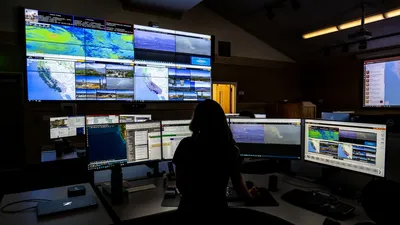
AI is Now Directing Firefighter Deployments in Wildfire Response
Fire officials are beginning to rely on artificial intelligence to make critical decisions about where to deploy human crews during multi-fire events. This shift moves AI from simple detection into a management role, directly dictating the dangerous daily operations of wildland firefighters.
Last scored March 14, 2026 · Based on BLS employment data and O*NET task analysis