Heavy and Tractor-Trailer Truck Drivers
Drive a tractor-trailer combination or a truck with a capacity of at least 26,000 pounds Gross Vehicle Weight (GVW). May be required to unload truck. Requires commercial drivers' license.
How AI Impacts Each Task
32 tasks analyzed
Check vehicles to ensure that mechanical, safety, and emergency equipment is in good working order.
Follow appropriate safety procedures for transporting dangerous goods.
Maintain logs of working hours or of vehicle service or repair status, following applicable state and federal regulations.
Inspect loads to ensure that cargo is secure.
Secure cargo for transport, using ropes, blocks, chain, binders, or covers.
Follow special cargo-related procedures, such as checking refrigeration systems for frozen foods or providing food or water for livestock.
Maneuver trucks into loading or unloading positions, following signals from loading crew and checking that vehicle and loading equipment are properly positioned.
Report vehicle defects, accidents, traffic violations, or damage to the vehicles.
Obtain receipts or signatures for delivered goods and collect payment for services when required.
Drive trucks with capacities greater than 3 tons, including tractor-trailer combinations, to transport and deliver products, livestock, or other materials.
Check all load-related documentation for completeness and accuracy.
Read bills of lading to determine assignment details.
Collect delivery instructions from appropriate sources, verifying instructions and routes.
Drive trucks to weigh stations before and after loading and along routes in compliance with state regulations.
Couple or uncouple trailers by changing trailer jack positions, connecting or disconnecting air or electrical lines, or manipulating fifth-wheel locks.
Check conditions of trailers after contents have been unloaded to ensure that there has been no damage.
Inventory and inspect goods to be moved to determine quantities and conditions.
Perform basic vehicle maintenance tasks, such as adding oil, fuel, or radiator fluid or performing minor repairs.
Read and interpret maps to determine vehicle routes.
Crank trailer landing gear up or down to safely secure vehicles.
Wrap and secure goods using pads, packing paper, containers, or straps.
Operate equipment, such as truck cab computers, CB radios, phones, or global positioning systems (GPS) equipment to exchange necessary information with bases, supervisors, or other drivers.
Plan or adjust routes based on changing conditions, using computer equipment, global positioning systems (GPS) equipment, or other navigation devices, to minimize fuel consumption and carbon emissions.
Load or unload trucks or help others with loading or unloading, using special loading-related equipment or other equipment as necessary.
Remove debris from loaded trailers.
Install or remove special equipment, such as tire chains, grader blades, plow blades, or sanders.
Operate idle reduction systems or auxiliary power systems to generate power from alternative sources, such as fuel cells, to reduce idling time, to heat or cool truck cabins, or to provide power for other equipment.
Perform emergency roadside repairs, such as changing tires or installing light bulbs, tire chains, or spark plugs.
Give directions to laborers who are packing goods and moving them onto trailers.
Drive electric or hybrid-electric powered trucks or alternative fuel-powered trucks to transport and deliver products, livestock, or other materials.
Operate trucks equipped with snowplows or sander attachments to maintain roads in winter weather.
Perform basic vehicle maintenance tasks, such as adding oil, fuel, or radiator fluid, performing minor repairs, or washing trucks.
| Task | AI Capability | Risk | Time % | |
|---|---|---|---|---|
| Check vehicles to ensure that mechanical, safety, and emergency equipment is in good working order. | 30Estimated | 45.0% | 2% | |
| Follow appropriate safety procedures for transporting dangerous goods. | 70Estimated | 77.2% | 1% | |
| Maintain logs of working hours or of vehicle service or repair status, following applicable state and federal regulations. | 97Estimated | 88.0% | 2% | |
| Inspect loads to ensure that cargo is secure. | 40Estimated | 49.0% | 1% | |
| Secure cargo for transport, using ropes, blocks, chain, binders, or covers. | 10Estimated | 37.0% | 2% | |
| Follow special cargo-related procedures, such as checking refrigeration systems for frozen foods or providing food or water for livestock. | 87Estimated | 84.0% | 1% | |
| Maneuver trucks into loading or unloading positions, following signals from loading crew and checking that vehicle and loading equipment are properly positioned. | 30Estimated | 21.0% | 2% | |
| Report vehicle defects, accidents, traffic violations, or damage to the vehicles. | 92Estimated | 86.0% | 1% | |
| Obtain receipts or signatures for delivered goods and collect payment for services when required. | 97Estimated | 88.0% | 1% | |
| Drive trucks with capacities greater than 3 tons, including tractor-trailer combinations, to transport and deliver products, livestock, or other materials. | 35Estimated | 23.0% | 17% | |
| Check all load-related documentation for completeness and accuracy. | 97Estimated | 88.0% | 1% | |
| Read bills of lading to determine assignment details. | 37.02Observed | 64.0% | 1% | |
| Collect delivery instructions from appropriate sources, verifying instructions and routes. | 97Estimated | 88.0% | 1% | |
| Drive trucks to weigh stations before and after loading and along routes in compliance with state regulations. | 25Estimated | 19.0% | 1% | |
| Couple or uncouple trailers by changing trailer jack positions, connecting or disconnecting air or electrical lines, or manipulating fifth-wheel locks. | 10Estimated | 37.0% | 2% | |
| Check conditions of trailers after contents have been unloaded to ensure that there has been no damage. | 50Estimated | 53.0% | 1% | |
| Inventory and inspect goods to be moved to determine quantities and conditions. | 87Estimated | 84.0% | 1% | |
| Perform basic vehicle maintenance tasks, such as adding oil, fuel, or radiator fluid or performing minor repairs. | 10Estimated | 37.0% | 1% | |
| Read and interpret maps to determine vehicle routes. | 56.67Observed | 71.9% | 1% | |
| Crank trailer landing gear up or down to safely secure vehicles. | 10Estimated | 37.0% | 1% | |
| Wrap and secure goods using pads, packing paper, containers, or straps. | 10Estimated | 37.0% | 1% | |
| Operate equipment, such as truck cab computers, CB radios, phones, or global positioning systems (GPS) equipment to exchange necessary information with bases, supervisors, or other drivers. | 92Estimated | 86.0% | 2% | |
| Plan or adjust routes based on changing conditions, using computer equipment, global positioning systems (GPS) equipment, or other navigation devices, to minimize fuel consumption and carbon emissions. | 52.08Observed | 47.8% | 2% | |
| Load or unload trucks or help others with loading or unloading, using special loading-related equipment or other equipment as necessary. | 30Estimated | 45.0% | 2% | |
| Remove debris from loaded trailers. | 10Estimated | 37.0% | 1% | |
| Install or remove special equipment, such as tire chains, grader blades, plow blades, or sanders. | 10Estimated | 13.0% | 1% | |
| Operate idle reduction systems or auxiliary power systems to generate power from alternative sources, such as fuel cells, to reduce idling time, to heat or cool truck cabins, or to provide power for other equipment. | 85Estimated | 67.0% | 1% | |
| Perform emergency roadside repairs, such as changing tires or installing light bulbs, tire chains, or spark plugs. | 10Estimated | 13.0% | 1% | |
| Give directions to laborers who are packing goods and moving them onto trailers. | 40Estimated | 31.0% | 1% | |
| Drive electric or hybrid-electric powered trucks or alternative fuel-powered trucks to transport and deliver products, livestock, or other materials. | 35Estimated | 23.0% | 39% | |
| Operate trucks equipped with snowplows or sander attachments to maintain roads in winter weather. | 10Estimated | 13.0% | 10% | |
| Perform basic vehicle maintenance tasks, such as adding oil, fuel, or radiator fluid, performing minor repairs, or washing trucks. | 10Estimated | 37.0% | 1% |
Skill Impact Analysis
AI-Vulnerable Skills (6)
High reliance on Information Ordering is a risk area. Consider developing complementary AI-resistant skills to maintain value.
Reading Comprehension is AI-vulnerable but has moderate importance in this role. AI tools may handle this; focus on higher-value skills.
Mathematics is AI-vulnerable but has moderate importance in this role. AI tools may handle this; focus on higher-value skills.
Memorization is AI-vulnerable but has moderate importance in this role. AI tools may handle this; focus on higher-value skills.
Mathematics is AI-vulnerable but has moderate importance in this role. AI tools may handle this; focus on higher-value skills.
Programming is AI-vulnerable but has moderate importance in this role. AI tools may handle this; focus on higher-value skills.
AI-Resistant Skills (11)
Adaptability/Flexibility is AI-resistant — strengthening this skill provides durable career protection.
Manual Dexterity is AI-resistant — strengthening this skill provides durable career protection.
Coordination is AI-resistant — strengthening this skill provides durable career protection.
Complex Problem Solving is AI-resistant — strengthening this skill provides durable career protection.
Equipment Maintenance is AI-resistant — strengthening this skill provides durable career protection.
Social Perceptiveness is AI-resistant — strengthening this skill provides durable career protection.
Service Orientation is AI-resistant — strengthening this skill provides durable career protection.
Leadership is AI-resistant — strengthening this skill provides durable career protection.
Recommended Courses
Courses matched to Heavy and Tractor-Trailer Truck Drivers skill gaps, ranked by relevance to your displacement risk profile.
Get personalized recommendations. Answer a few questions about your experience and skills to get course suggestions tailored specifically to you.
Upskill to Reduce Risk
Courses addressing your most AI-vulnerable skills
SQL Fundamentals Skill Track
by DataCamp
Estimated Impact
AI-Augmentation Tools
Learn to work alongside AI and boost your productivity
Cybersecurity Fundamentals Path
by Pluralsight
Estimated Impact
Strengthen Your Edge
Double down on skills AI can't replicate
Inspired Leadership Through Emotional Intelligence
by Case Western Reserve University
Estimated Impact
We may earn a commission when you enroll through our links, at no extra cost to you. This helps fund the Takeover Tracker.
Risk reduction and salary impact are estimates based on skill gap analysis, course relevance, and labor market data. Actual results vary by individual circumstance.
Alternate Career Paths
See all transitionsAdvertising and Promotions Managers
31%Higher risk than 43% of other occupations
Chief Executives
26%Higher risk than 23% of other occupations
Computer and Information Systems Managers
31%Higher risk than 45% of other occupations
Excavating and Loading Machine and Dragline Operators
23%Higher risk than 13% of other occupations
General and Operations Managers
28%Higher risk than 29% of other occupations
Highway Maintenance Workers
22%Median salary: $49,070
Higher risk than 12% of other occupations
Light Truck or Delivery Services Drivers
36%Median salary: $44,140
Higher risk than 70% of other occupations
Locomotive Firers
44%Higher risk than 90% of other occupations
Marketing Managers
30%Higher risk than 38% of other occupations
Motorboat Operators
29%Median salary: $51,880
Higher risk than 35% of other occupations
Paving, Surfacing, and Tamping Equipment Operators
18%Median salary: $51,650
Higher risk than 4% of other occupations
Pile-Driver Operators
20%Median salary: $70,510
Higher risk than 6% of other occupations
Railroad Brake, Signal, and Switch Operators
38%Higher risk than 76% of other occupations
Sailors and Marine Oilers
31%Median salary: $49,610
Higher risk than 43% of other occupations
Sales Managers
25%Higher risk than 20% of other occupations
Service Unit Operators, Oil, Gas, and Mining
24%Median salary: $57,980
Higher risk than 16% of other occupations
Score History
Risk score over 2 scoring runs
overall change
Education & Training
Percentage of workers at each education and training level
Education Level
Prior Experience Needed
Work experience required to enter this job
Training Provided After Hiring
How long it typically takes to learn on the job
Related News
Recent articles about AI affecting this occupation

Autonomous Yard Trucks Reach Commercialization, Threatening Logistics Jobs
Autonomous yard trucks have officially moved from pilot programs to commercial availability. Logistics companies are now navigating operational hurdles to integrate the tech and replace human drivers in closed-yard environments.
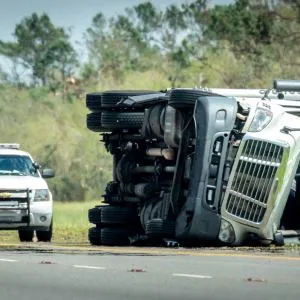
AI Risk Models Help Fleets Target Driver Coaching
Samsara's new risk model allows fleet managers to pinpoint the 10% of drivers causing nearly half of all crashes. This data-driven surveillance shifts management from broad training to highly targeted behavioral coaching.
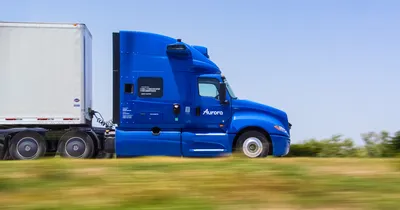
Regulators Weigh Autonomous Trucking Rules Threatening Freight Jobs
New safety data is pushing regulators to reconsider rules around self-driving trucks. If approved, autonomous freight technology could soon replace human drivers on major shipping routes.
Nvidia Backs Einride to Scale Up Autonomous Trucking Operations
The chip giant is providing the computing power needed to deploy Einride's driverless freight vehicles on a massive scale. This partnership accelerates the timeline for autonomous trucks replacing human drivers in commercial logistics.

Americans are so concerned about autonomous vehicles that Minneapolis is considering requiring drivers to sit inside Waymos
A proposed city ordinance would mandate that all self-driving cars employ a human safety monitor earning at least minimum wage. The legislation represents a direct regulatory attempt to preserve driving jobs against autonomous tech.
Last scored March 14, 2026 · Based on BLS employment data and O*NET task analysis