Medical Assistants
Perform administrative and certain clinical duties under the direction of a physician. Administrative duties may include scheduling appointments, maintaining medical records, billing, and coding information for insurance purposes. Clinical duties may include taking and recording vital signs and medical histories, preparing patients for examination, drawing blood, and administering medications as directed by physician.
How AI Impacts Each Task
20 tasks analyzed
Record patients' medical history, vital statistics, or information such as test results in medical records.
Prepare treatment rooms for patient examinations, keeping the rooms neat and clean.
Interview patients to obtain medical information and measure their vital signs, weight, and height.
Show patients to examination rooms and prepare them for the physician.
Prepare and administer medications as directed by a physician.
Authorize drug refills and provide prescription information to pharmacies.
Collect blood, tissue, or other laboratory specimens, log the specimens, and prepare them for testing.
Explain treatment procedures, medications, diets, or physicians' instructions to patients.
Clean and sterilize instruments and dispose of contaminated supplies.
Perform routine laboratory tests and sample analyses.
Perform general office duties, such as answering telephones, taking dictation, or completing insurance forms.
Greet and log in patients arriving at office or clinic.
Schedule appointments for patients.
Help physicians examine and treat patients, handing them instruments or materials or performing such tasks as giving injections or removing sutures.
Contact medical facilities or departments to schedule patients for tests or admission.
Inventory and order medical, lab, or office supplies or equipment.
Operate x-ray, electrocardiogram (EKG), or other equipment to administer routine diagnostic tests.
Set up medical laboratory equipment.
Change dressings on wounds.
Keep financial records or perform other bookkeeping duties, such as handling credit or collections or mailing monthly statements to patients.
| Task | AI Capability | Risk | Time % | |
|---|---|---|---|---|
| Record patients' medical history, vital statistics, or information such as test results in medical records. | 92Estimated | 86.0% | 10% | |
| Prepare treatment rooms for patient examinations, keeping the rooms neat and clean. | 30Estimated | 45.0% | 5% | |
| Interview patients to obtain medical information and measure their vital signs, weight, and height. | 20Estimated | 23.0% | 10% | |
| Show patients to examination rooms and prepare them for the physician. | 10Estimated | 19.0% | 5% | |
| Prepare and administer medications as directed by a physician. | 5Estimated | 11.0% | 5% | |
| Authorize drug refills and provide prescription information to pharmacies. | 35.3Observed | 63.3% | 4% | |
| Collect blood, tissue, or other laboratory specimens, log the specimens, and prepare them for testing. | 5Estimated | 11.0% | 6% | |
| Explain treatment procedures, medications, diets, or physicians' instructions to patients. | 55.38Observed | 37.2% | 6% | |
| Clean and sterilize instruments and dispose of contaminated supplies. | 35Estimated | 47.0% | 4% | |
| Perform routine laboratory tests and sample analyses. | 70Estimated | 77.2% | 5% | |
| Perform general office duties, such as answering telephones, taking dictation, or completing insurance forms. | 95Estimated | 87.2% | 8% | |
| Greet and log in patients arriving at office or clinic. | 46.67Observed | 67.9% | 5% | |
| Schedule appointments for patients. | 34.42Observed | 63.0% | 5% | |
| Help physicians examine and treat patients, handing them instruments or materials or performing such tasks as giving injections or removing sutures. | 5Estimated | 11.0% | 6% | |
| Contact medical facilities or departments to schedule patients for tests or admission. | 42.67Observed | 66.3% | 4% | |
| Inventory and order medical, lab, or office supplies or equipment. | 90Estimated | 85.2% | 3% | |
| Operate x-ray, electrocardiogram (EKG), or other equipment to administer routine diagnostic tests. | 35Estimated | 47.0% | 3% | |
| Set up medical laboratory equipment. | 35Estimated | 47.0% | 2% | |
| Change dressings on wounds. | 60.98Observed | 33.4% | 2% | |
| Keep financial records or perform other bookkeeping duties, such as handling credit or collections or mailing monthly statements to patients. | 95Estimated | 87.2% | 2% |
Skill Impact Analysis
AI-Vulnerable Skills (6)
High reliance on Reading Comprehension is a risk area. Consider developing complementary AI-resistant skills to maintain value.
High reliance on Information Ordering is a risk area. Consider developing complementary AI-resistant skills to maintain value.
High reliance on Mathematics is a risk area. Consider developing complementary AI-resistant skills to maintain value.
Mathematics is AI-vulnerable but has moderate importance in this role. AI tools may handle this; focus on higher-value skills.
Memorization is AI-vulnerable but has moderate importance in this role. AI tools may handle this; focus on higher-value skills.
Programming is AI-vulnerable but has moderate importance in this role. AI tools may handle this; focus on higher-value skills.
AI-Resistant Skills (11)
Adaptability/Flexibility is AI-resistant — strengthening this skill provides durable career protection.
Social Perceptiveness is AI-resistant — strengthening this skill provides durable career protection.
Leadership is AI-resistant — strengthening this skill provides durable career protection.
Coordination is AI-resistant — strengthening this skill provides durable career protection.
Service Orientation is AI-resistant — strengthening this skill provides durable career protection.
Instructing is AI-resistant — strengthening this skill provides durable career protection.
Persuasion is AI-resistant — strengthening this skill provides durable career protection.
Negotiation is AI-resistant — strengthening this skill provides durable career protection.
Recommended Courses
Courses matched to Medical Assistants skill gaps, ranked by relevance to your displacement risk profile.
Get personalized recommendations. Answer a few questions about your experience and skills to get course suggestions tailored specifically to you.
Upskill to Reduce Risk
Courses addressing your most AI-vulnerable skills
SQL Fundamentals Skill Track
by DataCamp
Estimated Impact
AI-Augmentation Tools
Learn to work alongside AI and boost your productivity
Creative Writing Specialization
by Wesleyan University
Estimated Impact
Strengthen Your Edge
Double down on skills AI can't replicate
Leading People and Teams Specialization
by University of Michigan
Estimated Impact
We may earn a commission when you enroll through our links, at no extra cost to you. This helps fund the Takeover Tracker.
Risk reduction and salary impact are estimates based on skill gap analysis, course relevance, and labor market data. Actual results vary by individual circumstance.
Alternate Career Paths
See all transitionsAdvertising and Promotions Managers
31%Higher risk than 43% of other occupations
Chief Executives
26%Higher risk than 23% of other occupations
Computer and Information Systems Managers
31%Higher risk than 45% of other occupations
Dental Assistants
24%Median salary: $47,300
Higher risk than 17% of other occupations
General and Operations Managers
28%Higher risk than 29% of other occupations
Licensed Practical and Licensed Vocational Nurses
21%Median salary: $62,340
Higher risk than 9% of other occupations
Marketing Managers
30%Higher risk than 38% of other occupations
Neurodiagnostic Technologists
29%Median salary: $48,790
Higher risk than 36% of other occupations
Occupational Therapy Assistants
27%Median salary: $68,340
Higher risk than 24% of other occupations
Pharmacy Technicians
43%Median salary: $43,460
Higher risk than 88% of other occupations
Physical Therapist Assistants
23%Median salary: $65,510
Higher risk than 12% of other occupations
Psychiatric Technicians
21%Median salary: $42,590
Higher risk than 8% of other occupations
Registered Nurses
24%Median salary: $93,600
Higher risk than 18% of other occupations
Sales Managers
25%Higher risk than 20% of other occupations
Social and Human Service Assistants
28%Median salary: $45,120
Higher risk than 27% of other occupations
Speech-Language Pathology Assistants
34%Median salary: $46,050
Higher risk than 64% of other occupations
Score History
Risk score over 2 scoring runs
overall change
Education & Training
Percentage of workers at each education and training level
Education Level
Prior Experience Needed
Work experience required to enter this job
Training Provided After Hiring
How long it typically takes to learn on the job
Related News
Recent articles about AI affecting this occupation

Rapid Deployment of AI Agents in Healthcare Outpaces Safety Oversight
Hospitals are rapidly deploying autonomous AI agents to handle administrative and clinical tasks before establishing proper oversight protocols. A new report warns this rush to automate could jeopardize patient safety if human supervision is removed too quickly.
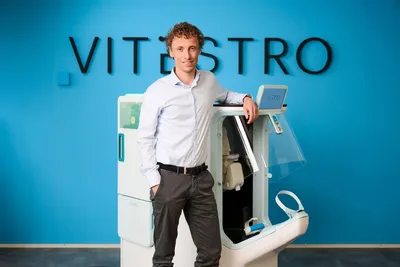
A Robot That Can Draw Your Blood Is Coming To The U.S.

ChatGPT Health adds Epic integration for clinicians to import patient data
OpenAI has secured read-only access to Epic's massive electronic health records system. This allows doctors to instantly pull patient histories into ChatGPT, drastically reducing the time medical staff spend on administrative data entry and chart reviews.

AI Oncology Merger Expands Tech Footprint Across 250 Cancer Centers
Cureety's acquisition of Reimagine Care creates a massive AI oncology network covering 100,000 patients globally. This consolidation accelerates the integration of AI tools into the daily workflows of oncologists and clinical staff.
Last scored March 14, 2026 · Based on BLS employment data and O*NET task analysis