Registered Nurses
Assess patient health problems and needs, develop and implement nursing care plans, and maintain medical records. Administer nursing care to ill, injured, convalescent, or disabled patients. May advise patients on health maintenance and disease prevention or provide case management. Licensing or registration required.
How AI Impacts Each Task
28 tasks analyzed
Maintain accurate, detailed reports and records.
Administer medications to patients and monitor patients for reactions or side effects.
Record patients' medical information and vital signs.
Monitor, record, and report symptoms or changes in patients' conditions.
Inform physician of patient's condition during anesthesia.
Administer local, inhalation, intravenous, or other anesthetics.
Consult and coordinate with healthcare team members to assess, plan, implement, or evaluate patient care plans.
Modify patient treatment plans as indicated by patients' responses and conditions.
Monitor all aspects of patient care, including diet and physical activity.
Provide health care, first aid, immunizations, or assistance in convalescence or rehabilitation in locations such as schools, hospitals, or industry.
Hand items to surgeons during operations.
Direct or supervise less-skilled nursing or healthcare personnel or supervise a particular unit.
Prepare patients for and assist with examinations or treatments.
Observe nurses and visit patients to ensure proper nursing care.
Conduct specified laboratory tests.
Instruct individuals, families, or other groups on topics such as health education, disease prevention, or childbirth and develop health improvement programs.
Assess the needs of individuals, families, or communities, including assessment of individuals' home or work environments, to identify potential health or safety problems.
Direct or coordinate infection control programs, advising or consulting with specified personnel about necessary precautions.
Engage in research activities related to nursing.
Prescribe or recommend drugs, medical devices, or other forms of treatment, such as physical therapy, inhalation therapy, or related therapeutic procedures.
Order, interpret, and evaluate diagnostic tests to identify and assess patient's condition.
Perform physical examinations, make tentative diagnoses, and treat patients en route to hospitals or at disaster site triage centers.
Perform administrative or managerial functions, such as taking responsibility for a unit's staff, budget, planning, or long-range goals.
Prepare rooms, sterile instruments, equipment, or supplies and ensure that stock of supplies is maintained.
Provide or arrange for training or instruction of auxiliary personnel or students.
Work with individuals, groups, or families to plan or implement programs designed to improve the overall health of communities.
Refer students or patients to specialized health resources or community agencies furnishing assistance.
Consult with institutions or associations regarding issues or concerns relevant to the practice and profession of nursing.
| Task | AI Capability | Risk | Time % | |
|---|---|---|---|---|
| Maintain accurate, detailed reports and records. | 92Estimated | 86.0% | 10% | |
| Administer medications to patients and monitor patients for reactions or side effects. | 5Estimated | 11.0% | 10% | |
| Record patients' medical information and vital signs. | 40.23Observed | 65.3% | 5% | |
| Monitor, record, and report symptoms or changes in patients' conditions. | 42.15Observed | 43.9% | 8% | |
| Inform physician of patient's condition during anesthesia. | 10Estimated | 19.0% | 2% | |
| Administer local, inhalation, intravenous, or other anesthetics. | 0Estimated | 9.0% | 2% | |
| Consult and coordinate with healthcare team members to assess, plan, implement, or evaluate patient care plans. | 20Estimated | 23.0% | 6% | |
| Modify patient treatment plans as indicated by patients' responses and conditions. | 66.67Observed | 53.7% | 5% | |
| Monitor all aspects of patient care, including diet and physical activity. | 40Estimated | 43.0% | 4% | |
| Provide health care, first aid, immunizations, or assistance in convalescence or rehabilitation in locations such as schools, hospitals, or industry. | 5Estimated | 11.0% | 4% | |
| Hand items to surgeons during operations. | 20Estimated | 41.0% | 2% | |
| Direct or supervise less-skilled nursing or healthcare personnel or supervise a particular unit. | 15Estimated | 21.0% | 4% | |
| Prepare patients for and assist with examinations or treatments. | 5Estimated | 11.0% | 4% | |
| Observe nurses and visit patients to ensure proper nursing care. | 25Estimated | 37.0% | 2% | |
| Conduct specified laboratory tests. | 60Estimated | 57.0% | 2% | |
| Instruct individuals, families, or other groups on topics such as health education, disease prevention, or childbirth and develop health improvement programs. | 64.1Observed | 40.6% | 4% | |
| Assess the needs of individuals, families, or communities, including assessment of individuals' home or work environments, to identify potential health or safety problems. | 30Estimated | 39.0% | 3% | |
| Direct or coordinate infection control programs, advising or consulting with specified personnel about necessary precautions. | 30Estimated | 27.0% | 2% | |
| Engage in research activities related to nursing. | 60Estimated | 51.0% | 2% | |
| Prescribe or recommend drugs, medical devices, or other forms of treatment, such as physical therapy, inhalation therapy, or related therapeutic procedures. | 40Estimated | 43.0% | 2% | |
| Order, interpret, and evaluate diagnostic tests to identify and assess patient's condition. | 62.5Observed | 52.0% | 3% | |
| Perform physical examinations, make tentative diagnoses, and treat patients en route to hospitals or at disaster site triage centers. | 0Estimated | 9.0% | 2% | |
| Perform administrative or managerial functions, such as taking responsibility for a unit's staff, budget, planning, or long-range goals. | 50Estimated | 47.0% | 2% | |
| Prepare rooms, sterile instruments, equipment, or supplies and ensure that stock of supplies is maintained. | 45Estimated | 51.0% | 3% | |
| Provide or arrange for training or instruction of auxiliary personnel or students. | 30Estimated | 27.0% | 2% | |
| Work with individuals, groups, or families to plan or implement programs designed to improve the overall health of communities. | 20Estimated | 23.0% | 2% | |
| Refer students or patients to specialized health resources or community agencies furnishing assistance. | 40Estimated | 31.0% | 2% | |
| Consult with institutions or associations regarding issues or concerns relevant to the practice and profession of nursing. | 20Estimated | 23.0% | 2% |
Skill Impact Analysis
AI-Vulnerable Skills (6)
High reliance on Reading Comprehension is a risk area. Consider developing complementary AI-resistant skills to maintain value.
High reliance on Information Ordering is a risk area. Consider developing complementary AI-resistant skills to maintain value.
High reliance on Mathematics is a risk area. Consider developing complementary AI-resistant skills to maintain value.
Memorization is AI-vulnerable but has moderate importance in this role. AI tools may handle this; focus on higher-value skills.
Mathematics is AI-vulnerable but has moderate importance in this role. AI tools may handle this; focus on higher-value skills.
Programming is AI-vulnerable but has moderate importance in this role. AI tools may handle this; focus on higher-value skills.
AI-Resistant Skills (11)
Leadership is AI-resistant — strengthening this skill provides durable career protection.
Adaptability/Flexibility is AI-resistant — strengthening this skill provides durable career protection.
Social Perceptiveness is AI-resistant — strengthening this skill provides durable career protection.
Service Orientation is AI-resistant — strengthening this skill provides durable career protection.
Coordination is AI-resistant — strengthening this skill provides durable career protection.
Complex Problem Solving is AI-resistant — strengthening this skill provides durable career protection.
Instructing is AI-resistant — strengthening this skill provides durable career protection.
Manual Dexterity is AI-resistant — strengthening this skill provides durable career protection.
Recommended Courses
Courses matched to Registered Nurses skill gaps, ranked by relevance to your displacement risk profile.
Get personalized recommendations. Answer a few questions about your experience and skills to get course suggestions tailored specifically to you.
Upskill to Reduce Risk
Courses addressing your most AI-vulnerable skills
SQL Fundamentals Skill Track
by DataCamp
Estimated Impact
AI-Augmentation Tools
Learn to work alongside AI and boost your productivity
Creative Writing Specialization
by Wesleyan University
Estimated Impact
Strengthen Your Edge
Double down on skills AI can't replicate
Leading People and Teams Specialization
by University of Michigan
Estimated Impact
We may earn a commission when you enroll through our links, at no extra cost to you. This helps fund the Takeover Tracker.
Risk reduction and salary impact are estimates based on skill gap analysis, course relevance, and labor market data. Actual results vary by individual circumstance.
Alternate Career Paths
See all transitionsAcute Care Nurses
23%Median salary: $93,600
Higher risk than 15% of other occupations
Advertising and Promotions Managers
31%Higher risk than 43% of other occupations
Cardiovascular Technologists and Technicians
30%Median salary: $67,260
Higher risk than 41% of other occupations
Chief Executives
26%Higher risk than 23% of other occupations
Computer and Information Systems Managers
31%Higher risk than 45% of other occupations
Critical Care Nurses
24%Median salary: $93,600
Higher risk than 15% of other occupations
Emergency Medical Technicians and Paramedics
17%Higher risk than 3% of other occupations
First-Line Supervisors of Personal Service Workers
30%Higher risk than 39% of other occupations
General and Operations Managers
28%Higher risk than 29% of other occupations
Licensed Practical and Licensed Vocational Nurses
21%Median salary: $62,340
Higher risk than 9% of other occupations
Marketing Managers
30%Higher risk than 38% of other occupations
Medical Assistants
33%Median salary: $44,200
Higher risk than 58% of other occupations
Psychiatric Technicians
21%Median salary: $42,590
Higher risk than 8% of other occupations
Respiratory Therapists
27%Median salary: $80,450
Higher risk than 25% of other occupations
Respiratory Therapy Technicians
24%Higher risk than 16% of other occupations
Sales Managers
25%Higher risk than 20% of other occupations
Score History
Risk score over 2 scoring runs
overall change
Education & Training
Percentage of workers at each education and training level
Education Level
Prior Experience Needed
Work experience required to enter this job
Training Provided After Hiring
How long it typically takes to learn on the job
Related News
Recent articles about AI affecting this occupation

Rapid Deployment of AI Agents in Healthcare Outpaces Safety Oversight
Hospitals are rapidly deploying autonomous AI agents to handle administrative and clinical tasks before establishing proper oversight protocols. A new report warns this rush to automate could jeopardize patient safety if human supervision is removed too quickly.

Healthcare AI Roundup: New Tools Impacting Medical Workplaces
Recent deployments from companies like Ambience Healthcare highlight the rapid integration of AI into clinical workflows. Medical professionals are seeing administrative tasks increasingly automated by specialized health tech.

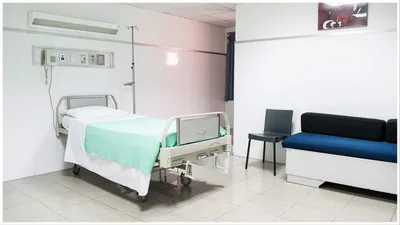
Manipal Hospitals Bets on AI-Led Healthcare in Major Expansion
The healthcare provider is integrating artificial intelligence into its upcoming greenfield infrastructure projects, including a major Mumbai facility. This signals a shift toward tech-augmented medical roles as the chain expands across India.
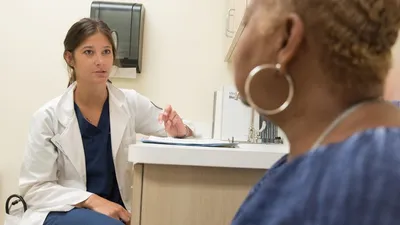
AI Promises to Shift Medical Jobs Back to Patient-Facing Care
New algorithms are taking over the heavy administrative burden of medical record-keeping and data entry. This transition is expected to reduce clinical burnout and force healthcare workers to refocus on direct, empathetic patient interactions.
Last scored March 14, 2026 · Based on BLS employment data and O*NET task analysis