Inspectors, Testers, Sorters, Samplers, and Weighers
Inspect, test, sort, sample, or weigh nonagricultural raw materials or processed, machined, fabricated, or assembled parts or products for defects, wear, and deviations from specifications. May use precision measuring instruments and complex test equipment.
How AI Impacts Each Task
32 tasks analyzed
Inspect, test, or measure materials, products, installations, or work for conformance to specifications.
Measure dimensions of products to verify conformance to specifications, using measuring instruments such as rulers, calipers, gauges, or micrometers.
Read blueprints, data, manuals, or other materials to determine specifications, inspection and testing procedures, adjustment methods, certification processes, formulas, or measuring instruments required.
Record inspection or test data, such as weights, temperatures, grades, or moisture content, and quantities inspected or graded.
Mark items with details such as grade or acceptance-rejection status.
Notify supervisors or other personnel of production problems.
Discard or reject products, materials, or equipment not meeting specifications.
Grade, classify, or sort products according to sizes, weights, colors, or other specifications.
Analyze test data, making computations as necessary, to determine test results.
Clean, maintain, calibrate, or repair measuring instruments or test equipment, such as dial indicators, fixed gauges, or height gauges.
Collect or select samples for testing or for use as models.
Remove defects, such as chips, burrs, or lap corroded or pitted surfaces.
Read dials or meters to verify that equipment is functioning at specified levels.
Write test or inspection reports describing results, recommendations, or needed repairs.
Check arriving materials to ensure that they match purchase orders, submitting discrepancy reports as necessary.
Make minor adjustments to equipment, such as turning setscrews to calibrate instruments to required tolerances.
Compare colors, shapes, textures, or grades of products or materials with color charts, templates, or samples to verify conformance to standards.
Fabricate, install, position, or connect components, parts, finished products, or instruments for testing or operational purposes.
Recommend necessary corrective actions, based on inspection results.
Inspect or test raw materials, parts, or products to determine compliance with environmental standards.
Compute defect percentages or averages, using formulas and calculators.
Position products, components, or parts for testing.
Stack or arrange tested products for further processing, shipping, or packaging.
Monitor production operations or equipment to ensure conformance to specifications, making necessary process or assembly adjustments.
Adjust, clean, or repair products or processing equipment to correct defects found during inspections.
Monitor machines that automatically measure, sort, or inspect products.
Weigh materials, products, containers, or samples to verify packaging weights or ingredient quantities.
Compute usable amounts of items in shipments.
Interpret legal requirements, provide safety information, or recommend compliance procedures to contractors, craft workers, engineers, or property owners.
Disassemble defective parts or components, such as inaccurate or worn gauges or measuring instruments.
Administer tests to assess whether engineers or operators are qualified to use equipment.
Inspect or test cleantech or green technology parts, products, or installations, such as fuel cells, solar panels, or air quality devices, for conformance to specifications or standards.
| Task | AI Capability | Risk | Time % | |
|---|---|---|---|---|
| Inspect, test, or measure materials, products, installations, or work for conformance to specifications. | 75Estimated | 63.0% | 4% | |
| Measure dimensions of products to verify conformance to specifications, using measuring instruments such as rulers, calipers, gauges, or micrometers. | 38.05Observed | 48.2% | 3% | |
| Read blueprints, data, manuals, or other materials to determine specifications, inspection and testing procedures, adjustment methods, certification processes, formulas, or measuring instruments required. | 92Estimated | 86.0% | 3% | |
| Record inspection or test data, such as weights, temperatures, grades, or moisture content, and quantities inspected or graded. | 97Estimated | 88.0% | 3% | |
| Mark items with details such as grade or acceptance-rejection status. | 70Estimated | 61.0% | 2% | |
| Notify supervisors or other personnel of production problems. | 50Estimated | 35.0% | 1% | |
| Discard or reject products, materials, or equipment not meeting specifications. | 75Estimated | 63.0% | 2% | |
| Grade, classify, or sort products according to sizes, weights, colors, or other specifications. | 80Estimated | 65.0% | 3% | |
| Analyze test data, making computations as necessary, to determine test results. | 35.25Observed | 63.3% | 2% | |
| Clean, maintain, calibrate, or repair measuring instruments or test equipment, such as dial indicators, fixed gauges, or height gauges. | 15Estimated | 15.0% | 2% | |
| Collect or select samples for testing or for use as models. | 50Estimated | 53.0% | 2% | |
| Remove defects, such as chips, burrs, or lap corroded or pitted surfaces. | 60Estimated | 57.0% | 2% | |
| Read dials or meters to verify that equipment is functioning at specified levels. | 97Estimated | 88.0% | 2% | |
| Write test or inspection reports describing results, recommendations, or needed repairs. | 97Estimated | 88.0% | 2% | |
| Check arriving materials to ensure that they match purchase orders, submitting discrepancy reports as necessary. | 97Estimated | 88.0% | 2% | |
| Make minor adjustments to equipment, such as turning setscrews to calibrate instruments to required tolerances. | 40Estimated | 49.0% | 2% | |
| Compare colors, shapes, textures, or grades of products or materials with color charts, templates, or samples to verify conformance to standards. | 85Estimated | 67.0% | 2% | |
| Fabricate, install, position, or connect components, parts, finished products, or instruments for testing or operational purposes. | 35Estimated | 47.0% | 1% | |
| Recommend necessary corrective actions, based on inspection results. | 70Estimated | 55.0% | 2% | |
| Inspect or test raw materials, parts, or products to determine compliance with environmental standards. | 65Estimated | 59.0% | 1% | |
| Compute defect percentages or averages, using formulas and calculators. | 100Estimated | 89.2% | 1% | |
| Position products, components, or parts for testing. | 50Estimated | 53.0% | 2% | |
| Stack or arrange tested products for further processing, shipping, or packaging. | 70Estimated | 61.0% | 2% | |
| Monitor production operations or equipment to ensure conformance to specifications, making necessary process or assembly adjustments. | 60Estimated | 57.0% | 2% | |
| Adjust, clean, or repair products or processing equipment to correct defects found during inspections. | 15Estimated | 15.0% | 2% | |
| Monitor machines that automatically measure, sort, or inspect products. | 75Estimated | 63.0% | 2% | |
| Weigh materials, products, containers, or samples to verify packaging weights or ingredient quantities. | 80Estimated | 65.0% | 2% | |
| Compute usable amounts of items in shipments. | 100Estimated | 89.2% | 1% | |
| Interpret legal requirements, provide safety information, or recommend compliance procedures to contractors, craft workers, engineers, or property owners. | 56.88Observed | 37.8% | 1% | |
| Disassemble defective parts or components, such as inaccurate or worn gauges or measuring instruments. | 15Estimated | 15.0% | 27% | |
| Administer tests to assess whether engineers or operators are qualified to use equipment. | 40Estimated | 31.0% | 22% | |
| Inspect or test cleantech or green technology parts, products, or installations, such as fuel cells, solar panels, or air quality devices, for conformance to specifications or standards. | 75Estimated | 63.0% | 1% |
Skill Impact Analysis
AI-Vulnerable Skills (6)
High reliance on Mathematics is a risk area. Consider developing complementary AI-resistant skills to maintain value.
High reliance on Reading Comprehension is a risk area. Consider developing complementary AI-resistant skills to maintain value.
High reliance on Information Ordering is a risk area. Consider developing complementary AI-resistant skills to maintain value.
Mathematics is AI-vulnerable but has moderate importance in this role. AI tools may handle this; focus on higher-value skills.
Memorization is AI-vulnerable but has moderate importance in this role. AI tools may handle this; focus on higher-value skills.
Programming is AI-vulnerable but has moderate importance in this role. AI tools may handle this; focus on higher-value skills.
AI-Resistant Skills (11)
Adaptability/Flexibility is AI-resistant — strengthening this skill provides durable career protection.
Leadership is AI-resistant — strengthening this skill provides durable career protection.
Coordination is AI-resistant — strengthening this skill provides durable career protection.
Manual Dexterity is AI-resistant — strengthening this skill provides durable career protection.
Complex Problem Solving is AI-resistant — strengthening this skill provides durable career protection.
Social Perceptiveness is AI-resistant — strengthening this skill provides durable career protection.
Persuasion is AI-resistant — strengthening this skill provides durable career protection.
Instructing is AI-resistant — strengthening this skill provides durable career protection.
Recommended Courses
Courses matched to Inspectors, Testers, Sorters, Samplers, and Weighers skill gaps, ranked by relevance to your displacement risk profile.
Get personalized recommendations. Answer a few questions about your experience and skills to get course suggestions tailored specifically to you.
Upskill to Reduce Risk
Courses addressing your most AI-vulnerable skills
SQL Fundamentals Skill Track
by DataCamp
Estimated Impact
AI-Augmentation Tools
Learn to work alongside AI and boost your productivity
Cybersecurity Fundamentals Path
by Pluralsight
Estimated Impact
Strengthen Your Edge
Double down on skills AI can't replicate
Leading People and Teams Specialization
by University of Michigan
Estimated Impact
We may earn a commission when you enroll through our links, at no extra cost to you. This helps fund the Takeover Tracker.
Risk reduction and salary impact are estimates based on skill gap analysis, course relevance, and labor market data. Actual results vary by individual circumstance.
Alternate Career Paths
See all transitionsAdvertising and Promotions Managers
31%Higher risk than 43% of other occupations
Chief Executives
26%Higher risk than 23% of other occupations
Computer and Information Systems Managers
31%Higher risk than 45% of other occupations
Cutting, Punching, and Press Machine Setters, Operators, and Tenders, Metal and Plastic
35%Median salary: $45,590
Higher risk than 64% of other occupations
Food Batchmakers
45%Median salary: $40,790
Higher risk than 92% of other occupations
Forging Machine Setters, Operators, and Tenders, Metal and Plastic
35%Median salary: $49,240
Higher risk than 67% of other occupations
General and Operations Managers
28%Higher risk than 29% of other occupations
Machine Feeders and Offbearers
51%Median salary: $39,700
Higher risk than 98% of other occupations
Mail Clerks and Mail Machine Operators, Except Postal Service
46%Median salary: $38,150
Higher risk than 93% of other occupations
Marketing Managers
30%Higher risk than 38% of other occupations
Print Binding and Finishing Workers
37%Median salary: $39,820
Higher risk than 71% of other occupations
Sales Managers
25%Higher risk than 20% of other occupations
Shipping, Receiving, and Traffic Clerks
51%Median salary: $43,190
Higher risk than 97% of other occupations
Solderers and Brazers
26%Median salary: $51,000
Higher risk than 23% of other occupations
Team Assemblers
44%Higher risk than 89% of other occupations
Upholsterers
20%Median salary: $46,190
Higher risk than 7% of other occupations
Score History
Risk score over 2 scoring runs
overall change
Education & Training
Percentage of workers at each education and training level
Prior Experience Needed
Work experience required to enter this job
Training Provided After Hiring
How long it typically takes to learn on the job
Related News
Recent articles about AI affecting this occupation
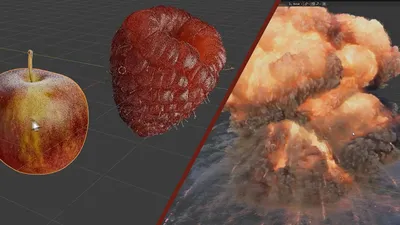
New Blender Update Automates Complex 3D Workflows for Artists
The integration of native Gaussian splatting drastically reduces the manual labor required to render photorealistic 3D environments. VFX professionals will need to adapt as tasks that once took days can now be generated instantly.
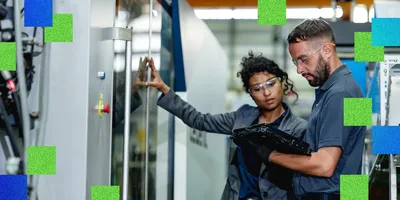
Aerospace giant Safran deploys AI to automate aircraft defect inspections
The aerospace manufacturer is partnering with Loopr AI to generate synthetic data that trains algorithms to spot manufacturing flaws. This automation targets highly specialized quality assurance roles traditionally performed by human inspectors.
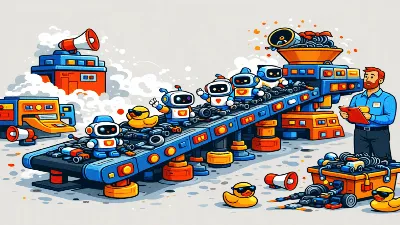
The Career Risk of Letting AI Execute Tasks Without Oversight
Delegating complex workflows to AI without human oversight often results in broken systems and chaotic outputs. Professionals who position themselves as strategic AI managers rather than just prompt executors will remain essential to quality control.
Last scored March 14, 2026 · Based on BLS employment data and O*NET task analysis